

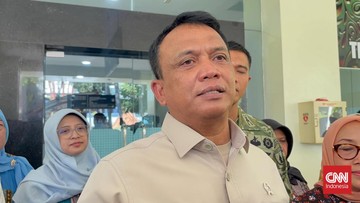

Sidoarjo Islamic Boarding School Proposes Managing Free Meals Itself After Students Fall Ill
Translated from Indonesian and summarized by DistantNews. Read the original for the full story.
At a glance
News
Named sources
Ongoing story
- Manbaul Hikam Islamic boarding school in Sidoarjo proposed managing the Free Nutritious Meals program internally after hundreds of students allegedly suffered food poisoning.
- The school said local preparation and immediate distribution could reduce delays and improve food safety for 2,500 to 2,830 portions.
- The proposal would involve the school’s alumni and nearby residents while retaining support for the national program.
After hundreds of students at the Manbaul Hikam Islamic boarding school allegedly suffered food poisoning, its leader wants the school to take control of preparing and distributing Indonesia’s Free Nutritious Meals program.
KH Abdul Wahid Harun, known as Gus Wahid, thanked the central government and others for their attention during the mass poisoning incident. He said he hoped the event would not happen again and warned that a good program could be damaged by failures in its implementation.
We are very grateful for the central government’s attention. We hope this incident will not happen again. A program that is fundamentally good must not be tarnished by negligence in the process.
He has proposed that the school itself manage the local Nutrition Fulfillment Service unit rather than receive food from an outside supplier. Gus Wahid said he had discussed the idea with a special staff member of the vice president, who responded positively. The model, he said, drew inspiration from systems in Malaysia and Singapore, where program funds go to an institution and the institution manages the service directly.
Under the proposal, the school would oversee cooking and distribution. Gus Wahid said this would help maintain food quality and safety, particularly for between 2,500 and 2,830 portions. Food cooked far away must spend time in transit, he said, while local preparation would allow measured portions, immediate cooking and faster consumption.
The program still has our support. What we hope for is that the system will be improved so it is safer and sustainable.
Gus Wahid stressed that the proposal did not reject the Free Nutritious Meals program. The school still supports it, but wants the distribution and management system improved so it becomes safer and more sustainable. He also plans to involve school alumni in technical operations and empower nearby residents economically.
He described local management, portion sizes tailored to demand and the shortest possible gap between cooking and serving as the central principles. He said the poisoning incident should serve as an evaluation and an opportunity for Manbaul Hikam to improve, adding that the school hoped to emerge stronger from the ordeal.
If we manage it ourselves, portions can be measured, cooked immediately and consumed immediately. The risk can be minimized.
About this summary
Originally published by CNN Indonesia in Indonesian. Translated, summarized, and contextualized automatically by DistantNews, with a note on how the source frames the story. Not individually reviewed before publishing. How this works.
More Stories


From Our Blog

News in Translation: What Gets Lost, and How We Keep the Framing

Diaspora Media: How Communities Follow News From Home

Traveling Where the Press Is Not Free: How to Read the News There

The Digital Nomad's Guide to Local News

The Same Story, Different Countries: How Coverage Changes at the Border
