


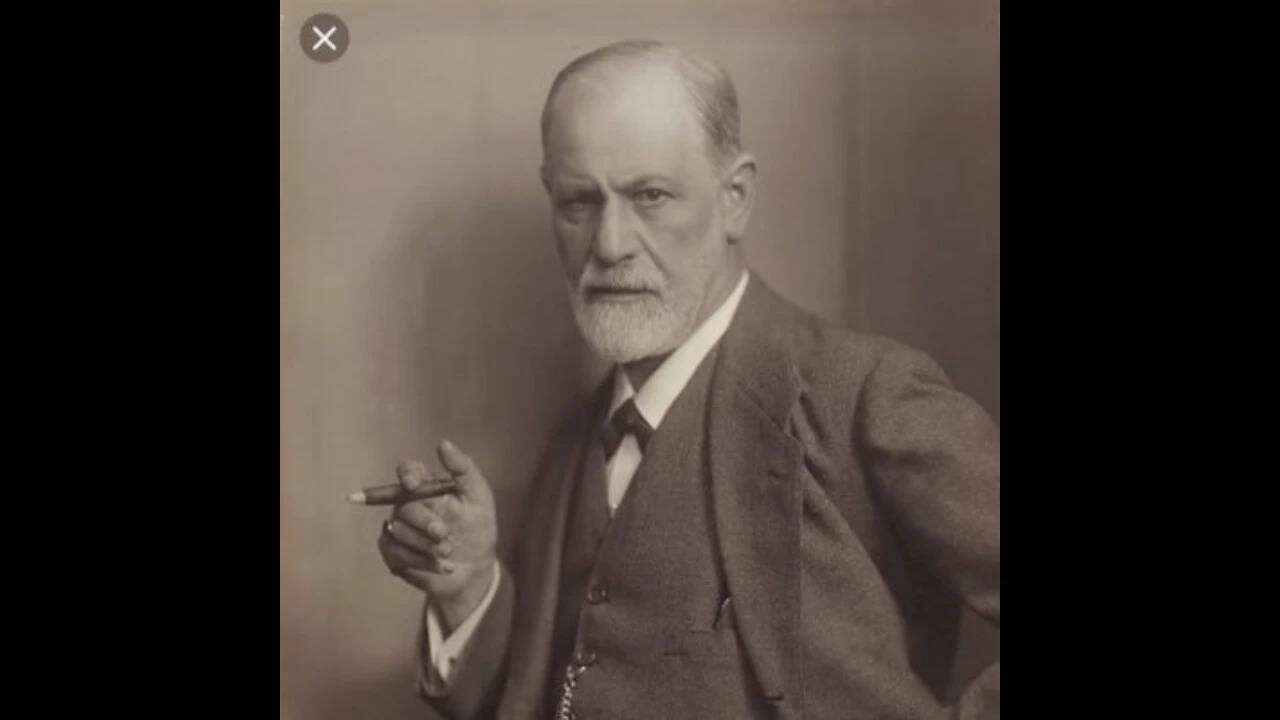
Sigmund Freud's Quote on Perfection and Inner Demons Explained
Translated from English, summarized and contextualized by DistantNews.
At a glance
In-depth
Sources not specified
Context piece
- Sigmund Freud, the father of psychoanalysis, is known for his theories on the unconscious mind and its influence on behavior.
- A notable quote from Freud suggests that outward perfection masks inner turmoil: 'The more perfect a person is on the outside, the more demons they have on the inside.'
- This concept relates to Freud's idea of psychological repression, where suppressed desires and emotions build pressure beneath a composed exterior.
Sigmund Freud, the Austrian neurologist credited as the founding father of psychoanalysis, profoundly reshaped humanity's understanding of the mind. His clinical method, based on dialogue between patient and analyst, proposed that much of human behavior stems from unconscious thoughts, desires, and memories. Freud's theories challenged earlier biological and religious perspectives on mental health, introducing the idea that internal conflicts, hidden desires, and childhood experiences significantly shape adult identity.
One of Freud's enduring observations, often cited in psychological discourse, is: "The more perfect a person is on the outside, the more demons they have on the inside." This statement directly aligns with his structural model of the psyche, comprising the id, ego, and superego. The id represents primal instincts and the pursuit of pleasure, while the superego embodies moral conscience and societal expectations. The ego mediates between these two forces.
According to Freud, an individual projecting an image of absolute perfection is likely operating with an overactive superego. Society often rewards outward composure, success, and moral rectitude. To maintain such a flawless facade, a person must constantly suppress thoughts, feelings, or impulses deemed unacceptable. These repressed elements, Freud argued, are relegated to the unconscious mind, where they continue to exert influence. The "demons" in this context are not literal spirits but rather the submerged instincts, anger, envy, sexual urges, and unresolved traumas that an individual refuses to acknowledge, either publicly or privately.
The mechanism at play is psychological repression, a process Freud believed consumes significant mental energy. The effort expended to maintain a pristine exterior creates mounting pressure within the unconscious. This dynamic is akin to pushing an inflatable beach ball underwater; the surface may appear calm, but immense pressure builds beneath. These repressed feelings, desperate to surface, represent the "demons" lurking beneath the veneer of perfection.
The more perfect a person is on the outside, the more demons they have on the inside.
DistantNews Editorial
Originally published by Times of India in English. Translated, summarized, and contextualized by our editorial team with added local perspective. Read our editorial standards.
More Stories



From Our Blog

What Press Freedom Means for the News You Read

What Gets Lost (and Found) When News Is Translated

The Critical Role of Diaspora Media in Global News

What Travellers Should Know About Countries with Restricted Press

A Digital Nomad's Guide to Following Local News
