


Singapore beach clean-ups see 50% surge in volunteers amid rising environmental awareness
Translated from English, summarized and contextualized by DistantNews.
At a glance
News
Sources not specified
Context piece
- Volunteer participation in Singapore's beach clean-ups has surged by up to 50% in the past year.
- Organizers attribute the increase to growing environmental awareness, particularly among younger Singaporeans.
- Marine litter, including foam food containers and plastic bags, is a seasonal issue influenced by wind patterns, with some debris originating from overseas.
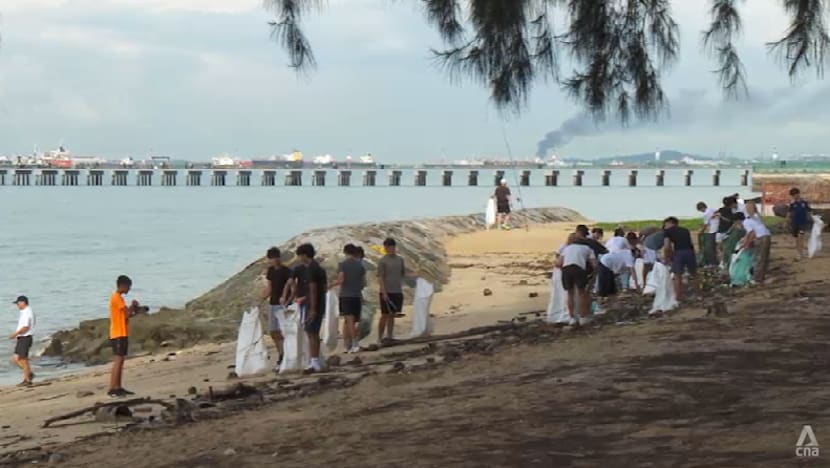
Singapore's coastlines are seeing a significant increase in volunteer efforts, with participation in beach clean-ups rising by as much as 50 percent over the last year. Organizers credit this surge to a growing public consciousness about environmental conservation, especially among the younger generation.
Recent clean-up events highlight the scale of the problem. A two-hour session at East Coast Park mobilized 65 volunteers who collected approximately 320 kilograms of trash, filling over 80 bags. This effort underscores the dedication of citizens contributing to a cleaner environment.
June, July, August and September – that’s usually when the trash load goes up. (In) December, January and February, we hardly see anything on the beaches. So, (it’s largely) to do with the regional wind direction.
The amount of marine litter on Singapore's beaches is subject to seasonal fluctuations, primarily driven by weather patterns. Mr. Yasser Amin, CEO of Stridy, noted that "June, July, August and September – that’s usually when the trash load goes up." Conversely, winter months see significantly less litter.
Commonly found items during clean-ups include foam food containers, plastic bags, plastic bottles, cigarette butts, and grocery bags. While pinpointing the exact origin of all marine debris is challenging, clues like local versus foreign branding on packaging can indicate whether trash originated from beachgoers or washed ashore from overseas. Dr. Maxine Mowe from the National University of Singapore explained that weathered items or those with non-local brands suggest an international source.
If we see a can that is locally produced, we can assume that it came from a beach-goer. But if we see food packets that are not produced in Singapore, (or) brands that are not even found here, (or) they look very weathered, these (are ways) to tell that they've been floating in from overseas.
DistantNews Editorial
Originally published by CNA in English. Translated, summarized, and contextualized by our editorial team with added local perspective. Read our editorial standards.
More Stories


From Our Blog

What Gets Lost (and Found) When News Is Translated

The Critical Role of Diaspora Media in Global News

What Travellers Should Know About Countries with Restricted Press

A Digital Nomad's Guide to Following Local News

How the Same Story Looks Different in Different Countries
