


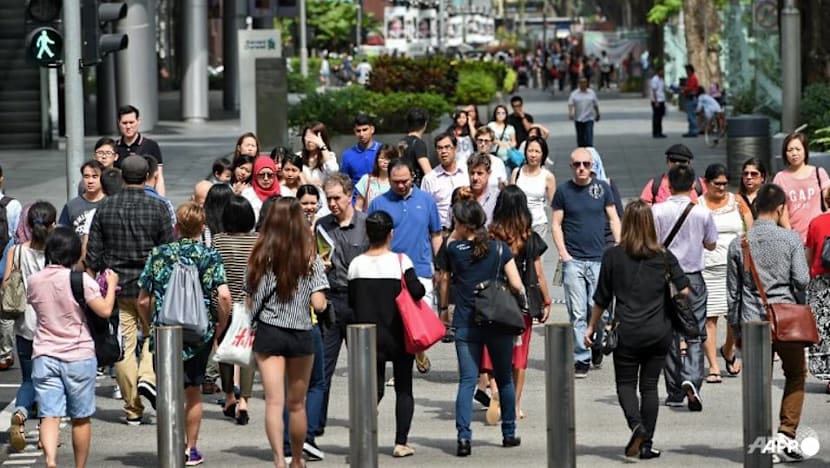
Singapore Core Inflation Rises to 2% in July
Translated from English, summarized and contextualized by DistantNews.
At a glance
News
Official statement
Context piece
- Singapore's core inflation increased to 2% year-on-year in July, up from 1.6% in June.
- The rise was driven by higher costs for electricity, gas, services, and food.
- Overall inflation also climbed to 2.2% in July, influenced by increased accommodation costs.
Singapore experienced a notable increase in core inflation, reaching 2 percent year-on-year in July, a rise from 1.6 percent recorded in June. This uptick, as reported by the Monetary Authority of Singapore (MAS) and the Ministry of Trade and Industry (MTI), is primarily attributed to escalating costs in electricity and gas, services, and food.
Core inflation rose to 2 per cent year-on-year in July, up from 1.6 per cent in June.
Core inflation, which excludes accommodation and private transport expenses, saw a 0.3 percent increase on a month-on-month basis in July. Concurrently, overall inflation, measured by the Consumer Price Index-All Items, moved up to 2.2 percent from 1.9 percent in June. This broader increase was further influenced by higher inflation in the accommodation sector.
Analysis of specific sectors reveals significant price adjustments. Electricity and gas inflation reversed a downward trend, jumping to 8.7 percent in July from a decline in June, largely due to a sharp rise in electricity prices. Services inflation edged up to 1.7 percent from 1.5 percent, driven by increased airfares and public transport costs. Food inflation also saw a slight increase, moving from 2.1 percent to 2.2 percent, as prices for food services and unprepared food items rose at a faster pace.
This was because of higher inflation for electricity and gas, services and food.
Looking ahead, authorities anticipate that elevated global energy prices will continue to impact Singapore through higher electricity and gas tariffs, as well as transportation costs. Persistent high and volatile oil prices, combined with adverse weather conditions affecting agricultural yields, are expected to drive up imported food prices. While domestic unit labor costs in the services sector are projected to grow at a slower pace due to productivity gains, overall inflation is forecast to average between 1.5 percent and 2.5 percent for the entirety of 2026, with core inflation expected to remain elevated into 2027 before moderating.
As higher input costs pass through global supply chains, the prices of a wider range of Singapore’s imported goods and services are expected to pick up in the quarters ahead.
DistantNews Editorial
Originally published by CNA in English. Translated, summarized, and contextualized by our editorial team with added local perspective. Read our editorial standards.
More Stories


From Our Blog

What Gets Lost (and Found) When News Is Translated

The Critical Role of Diaspora Media in Global News

What Travellers Should Know About Countries with Restricted Press

A Digital Nomad's Guide to Following Local News

How the Same Story Looks Different in Different Countries
