


Singapore Parliament: No Further Action on WP MPs' Conduct Due to Time Bar
Translated from English, summarized and contextualized by DistantNews.
At a glance
News
Named sources
Outcome reported
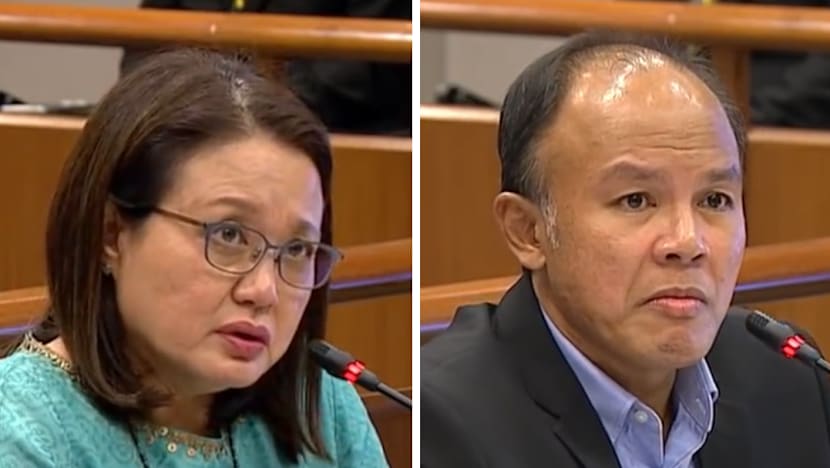
- Singapore's Leader of the House, Indranee Rajah, announced that no further parliamentary action will be taken against Workers' Party politicians Sylvia Lim and Faisal Manap.
- The decision is due to a legal time bar, preventing action on their past conduct related to lying under oath.
- While the Committee of Privileges' findings were confirmed by a High Court judgment against WP chief Pritam Singh, the parliamentary privileges act limits action to offenses within specific parliamentary sessions.
Singapore's parliament will not pursue further action against Workers' Party politicians Sylvia Lim and Faisal Manap for lying under oath, as the case is barred by a legal time limit. Leader of the House Indranee Rajah stated that while the Committee of Privileges' findings were valid, the Parliament (Privileges, Immunities and Powers) Act restricts the House's ability to act on offenses outside of specific parliamentary sessions.
Had the timelines been different, I would have proposed a different course of action.
Ms. Rajah explained that the parliamentary timelines, specifically Section 22 of the Act, dictate that Parliament can only punish offenses committed in the preceding session or the last session of the previous parliament. The offenses in question occurred during the first session of Singapore's 14th Parliament (August 2020 to March 2023), when Ms. Lim and Mr. Faisal testified before the Committee of Privileges in December 2021. Although the High Court later confirmed the findings of lying under oath in relation to WP chief Pritam Singh's case, the subsequent dissolution of the 14th Parliament and the commencement of the 15th Parliament meant the window for taking action against Ms. Lim and Mr. Faisal had closed.
This outcome has happened because even though this House was entitled to act on the committee’s findings in 2021, it decided to give Ms Lim and Mr Faisal the benefit of the doubt for the time being.
"Had the timelines been different, I would have proposed a different course of action," Ms. Rajah told Parliament during a ministerial statement. She emphasized that the House had initially deferred consideration of Ms. Lim's and Mr. Faisal's cases until the court process involving Mr. Singh concluded. However, by the time the High Court ruled on Mr. Singh's appeal in December 2025, the 14th Parliament had been dissolved, and the 15th Parliament had begun. This procedural reality, governed by the PPIPA, means that the current Parliament can only address offenses from its current session or the second session of the 14th Parliament, rendering the earlier offenses time-barred.
Under Section 22 of the PPIPA, parliament may only punish offences committed in the preceding session, or the last session of the preceding parliament.
Ms. Indranee stressed the importance of observing the time bar provisions, even though the Committee of Privileges' findings were "effectively confirmed" by the High Court's judgment against Mr. Singh. Knowingly giving false evidence to a parliamentary committee is considered dishonorable conduct and a serious contempt of parliament. Ordinarily, Ms. Indranee would initiate the process under the PPIPA for such conduct. However, the Act's limitations, designed for finality, prevent action in this specific instance.
However, parliament rightly deferred consideration of Ms Lim’s and Mr Faisal’s cases until the court process had concluded.
DistantNews Editorial
Originally published by CNA in English. Translated, summarized, and contextualized by our editorial team with added local perspective. Read our editorial standards.
More Stories


From Our Blog

What Gets Lost (and Found) When News Is Translated

The Critical Role of Diaspora Media in Global News

What Travellers Should Know About Countries with Restricted Press

A Digital Nomad's Guide to Following Local News

How the Same Story Looks Different in Different Countries
