


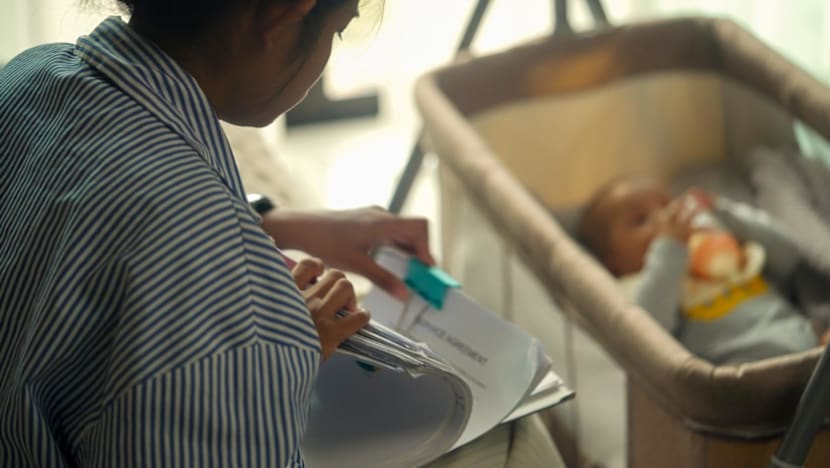
Singapore's childcare leave boost sparks workplace debate over fairness and workload
Translated from English, summarized and contextualized by DistantNews.
At a glance
News
Sources not specified
New plan
- Singapore is increasing paid childcare leave for parents, aiming to boost the nation's fertility rate.
- Some child-free workers express concern that the extended leave and potential for short-notice absences will increase their workload and reduce their own family time.
- The policy change has sparked a debate about balancing parental support with workplace demands and the impact on non-parents.
Singapore's government has expanded paid childcare leave, a move intended to encourage citizens to have more children and address the nation's low fertility rate. The policy allows parents to take more time off to care for their children.
However, the expansion has ignited a debate among the workforce. Child-free employees voice concerns that the increased leave and the possibility of colleagues taking sudden, short-notice absences will disproportionately burden them. They worry this could lead to less personal time for their own families and an increased workload.
The discussion highlights a growing tension between supporting families and ensuring workplace productivity and fairness for all employees. The government's initiative, while aiming for a societal good, has brought to the forefront the practical challenges and potential inequalities faced by different segments of the workforce.
While broadly supportive of Singapore's push to boost fertility, some child-free workers worry that extended childcare leave and short-notice absences will leave them with less time for their own families.
DistantNews Editorial
Originally published by CNA in English. Translated, summarized, and contextualized by our editorial team with added local perspective. Read our editorial standards.
More Stories



From Our Blog

What Gets Lost (and Found) When News Is Translated

The Critical Role of Diaspora Media in Global News

What Travellers Should Know About Countries with Restricted Press

A Digital Nomad's Guide to Following Local News

How the Same Story Looks Different in Different Countries
