


Singapore seeks powers to act against suppliers of faulty bomb shelter products
Translated from English, summarized and contextualized by DistantNews.
At a glance
News
Official statement
New plan
- Singapore's Civil Defence Force (SCDF) is seeking new powers to take action against suppliers of non-compliant bomb shelter products.
- The proposed amendments aim to strengthen regulatory controls over items like household and storey shelter doors.
- If passed, the SCDF can issue directions to parties in the supply chain for non-compliant products, closing a current gap in enforcement.
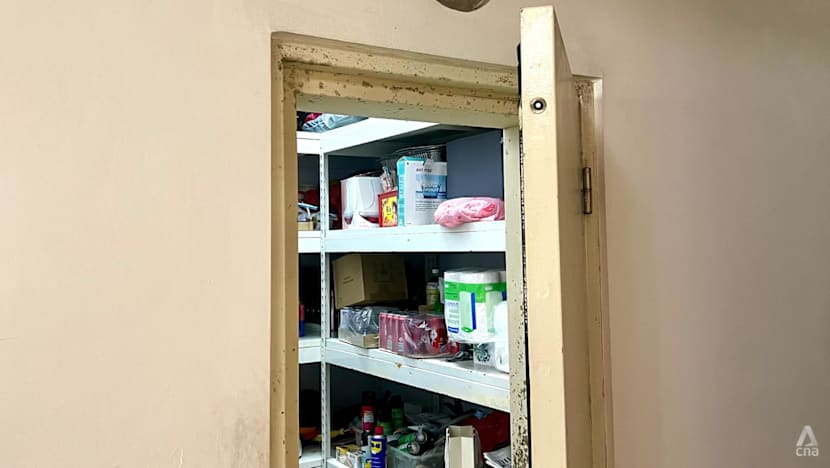
Singapore's Civil Defence Force (SCDF) is set to gain new powers to address suppliers of non-compliant bomb shelter products, such as doors, if a proposed bill passes parliament. The Civil Defence Shelter and Fire Safety (Miscellaneous Amendments) Bill, introduced by the Ministry of Home Affairs (MHA), aims to enhance regulatory oversight of essential shelter components.
Under the proposed legislation, the SCDF would be able to issue directions to various parties within the supply chain if there are reasonable grounds to suspect a product does not meet required standards. Currently, the SCDF's primary enforcement tool targets certification bodies, allowing them to suspend or withdraw accreditation from non-compliant certifiers. However, the MHA noted that there is currently no legal framework to take direct enforcement action against suppliers and manufacturers for non-compliant shelter products, a gap the new bill intends to close.
To date, the SCDF has not identified any instances of non-compliant shelter products being supplied. The bill also includes amendments to the Fire Safety Act 1993, introducing a class licensing regime for lower-risk petroleum and flammable material activities. This aims to reduce the regulatory burden on businesses while maintaining robust fire safety standards.
The Civil Defence Shelter Act mandates that new housing developments incorporate household or storey shelters designed to protect occupants from weapon effects during national emergencies. Owners and occupants are legally prohibited from altering or damaging these shelters, including their doors and ventilation systems. The proposed class licensing regime for petroleum and flammable materials will initially apply to activities such as storage at construction sites and petrol stations, potentially simplifying the licensing process for eligible premises.
However, there is no legal framework to take enforcement action against parties in the supply chain, such as suppliers and manufacturers, for non-compliant shelter products. The Bill will close this gap.
DistantNews Editorial
Originally published by CNA in English. Translated, summarized, and contextualized by our editorial team with added local perspective. Read our editorial standards.
More Stories



From Our Blog

What Gets Lost (and Found) When News Is Translated

The Critical Role of Diaspora Media in Global News

What Travellers Should Know About Countries with Restricted Press

A Digital Nomad's Guide to Following Local News

How the Same Story Looks Different in Different Countries
