

Singapore sees rise in suspected illegal accommodation cases
Translated from English, summarized and contextualized by DistantNews.
At a glance
News
Sources not specified
Context piece
- Singapore's Urban Redevelopment Authority (URA) investigated more suspected illegal dormitories and short-term accommodation cases in 2024.
- Authorities found 37 people living in a shophouse on Serangoon Road that had been converted into an illegal dormitory.
- Property managers report that detecting such illegal arrangements is becoming increasingly difficult due to changes in advertising methods.
Singapore's Urban Redevelopment Authority (URA) investigated a higher number of suspected illegal dormitories and short-term accommodation cases last year, as property managers find these arrangements increasingly challenging to detect.
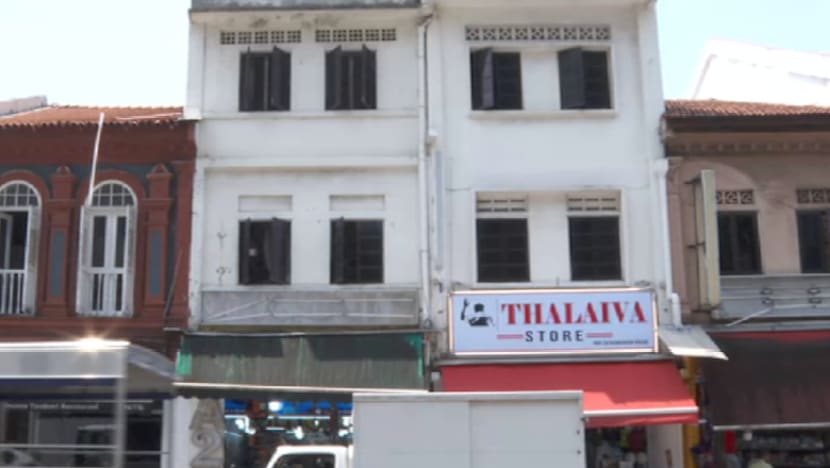
In one instance, authorities conducted a surprise inspection of a shophouse on Serangoon Road in 2024. They discovered that the second and third floors had been converted into an illegal dormitory, housing 37 people in 10 rooms with 36 bed spaces. Signs indicated that the operators attempted to avoid detection, with evidence suggesting bedframes and washing machines were brought in through a rear entrance.
The offender responsible for converting the shophouse unit into unauthorized dormitory accommodation was fined S$90,000 (US$70,500). Such suspected cases rose to 544 in 2024, up from 534 the previous year. In the first five months of this year, the URA investigated 278 suspected cases.
Similarly, suspected short-term accommodation cases also saw an increase, rising from 200 in 2024 to 219 last year. Between January and May this year, 58 such cases were investigated.
Despite these efforts, illegal accommodation offers continue to surface online. Listings found on e-commerce platforms like Carousell offer stays in residential properties for periods as short as one month, falling below the minimum three-month stay requirement for private residential properties in Singapore. Property and facilities management firms note that advertisers have shifted their methods, moving away from traditional accommodation platforms to social media and less common platforms to advertise these illegal stays, making them harder to spot.
But nowadays you seldom see that. The vendors are going for social media and some even post on social media not commonly used in Singapore.
DistantNews Editorial
Originally published by CNA in English. Translated, summarized, and contextualized by our editorial team with added local perspective. Read our editorial standards.
More Stories


From Our Blog

What Gets Lost (and Found) When News Is Translated

The Critical Role of Diaspora Media in Global News

What Travellers Should Know About Countries with Restricted Press

A Digital Nomad's Guide to Following Local News

How the Same Story Looks Different in Different Countries
