


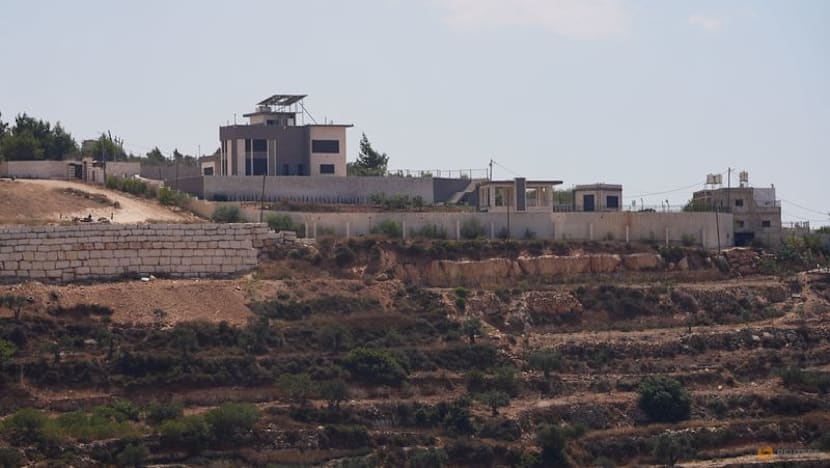
Singapore urges Israel to halt planned West Bank settlements
Summarized and contextualized by DistantNews.
At a glance
News
Named sources
Context piece
- Singapore urged Israel to halt plans for new settlements in the E1 area of the West Bank.
- Singapore stated that such construction would fragment the West Bank and undermine a two-state solution.
- The city-state also expressed concern over settler violence and called for accountability.
Singapore has formally called on the Israeli government to cease its planned settlement expansion in the E1 area of the West Bank. The Ministry of Foreign Affairs (MFA) spokesperson emphasized that these settlements are considered illegal under international law and would further divide the Palestinian territory.
Singapore urges the Israeli government to halt these settlement expansion plans.
In a statement released Monday, the MFA spokesperson articulated Singapore's position, highlighting that the proposed construction in E1 would "severely undermine the prospects for a viable two-state solution." This call follows Israel's recent opening of bids for over 1,200 homes in the area, a move that has drawn international condemnation.
The E1 plan, green-lit by Israel last year, aims to build approximately 3,400 homes on a sensitive tract of land situated between Jerusalem and the Israeli settlement of Maale Adumim. Such development would effectively separate east Jerusalem from the rest of the West Bank.
We call on the Israeli government to take firm action to prevent such violence and to hold those responsible accountable.
Beyond settlement expansion, Singapore also voiced deep concern regarding the escalating acts of settler violence against Palestinian civilians. The MFA spokesperson urged the Israeli government to take decisive action to prevent such violence and ensure that perpetrators are held accountable. Singapore reiterated its belief that a negotiated two-state solution, in line with UN Security Council resolutions, remains the sole viable path to lasting peace.
A negotiated two-state solution, consistent with the relevant United Nations Security Council resolutions, remains the only viable pathway to a comprehensive, just, and durable peace.
DistantNews Editorial
Originally published by CNA. Summarized and contextualized by our editorial team with added local perspective. Read our editorial standards.
More Stories



From Our Blog

What Gets Lost (and Found) When News Is Translated

The Critical Role of Diaspora Media in Global News

What Travellers Should Know About Countries with Restricted Press

A Digital Nomad's Guide to Following Local News

How the Same Story Looks Different in Different Countries
