


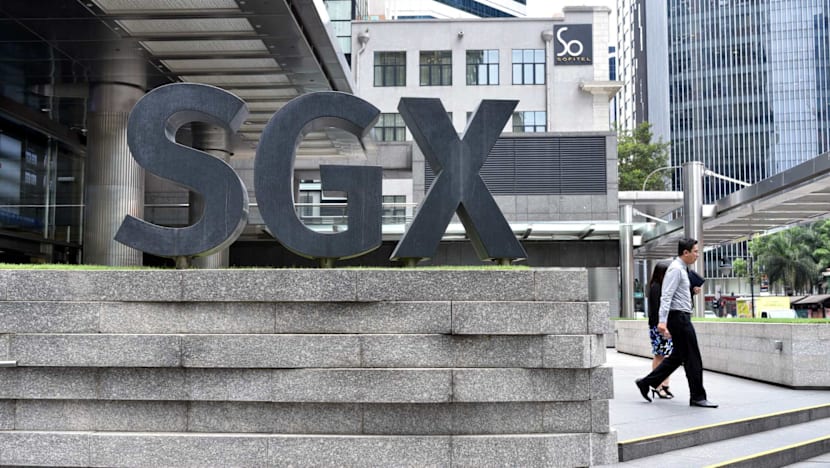
Six IPOs this year, most trading below issue price: What this means for Singapore's market reforms
Summarized and contextualized by DistantNews.
At a glance
News
Sources not specified
Context piece
- Six companies have gone public in Singapore this year, but most are trading below their initial offering price.
- Analysts attribute this underperformance to thin market liquidity and a global investor preference for AI-related stocks.
- The trend suggests challenges for Singapore's efforts to revitalize its stock market, despite reforms.
Singapore's stock market has seen six initial public offerings (IPOs) this year, but the performance of these new listings has been largely underwhelming. A significant number of these companies are now trading below their issue price, raising concerns about the health of the local equity market.
Analysts point to several factors contributing to this trend. Thin liquidity in the market is a major concern, making it difficult for new stocks to gain traction and maintain their value. Furthermore, there is a global tilt towards artificial intelligence (AI) stocks, which has diverted investor attention and capital away from other sectors. This global preference for AI is overshadowing Singapore's push to attract more listings and boost trading activity.
The subdued performance of recent IPOs indicates that Singapore's market reforms may not be yielding the desired results yet. While the government aims to revive the bourse, the current environment suggests that broader economic conditions and global investment trends are playing a more dominant role. Overcoming these challenges will be crucial for Singapore to re-establish its attractiveness as a key listing venue in the region.
DistantNews Editorial
Originally published by CNA. Summarized and contextualized by our editorial team with added local perspective. Read our editorial standards.
More Stories

From Our Blog

What Gets Lost (and Found) When News Is Translated

The Critical Role of Diaspora Media in Global News

What Travellers Should Know About Countries with Restricted Press

A Digital Nomad's Guide to Following Local News

How the Same Story Looks Different in Different Countries
