

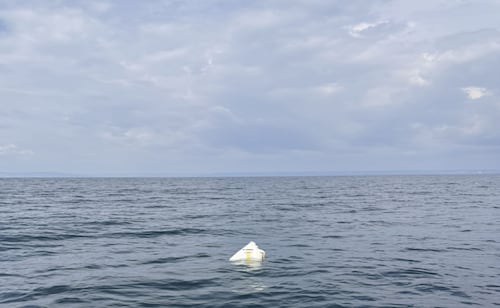
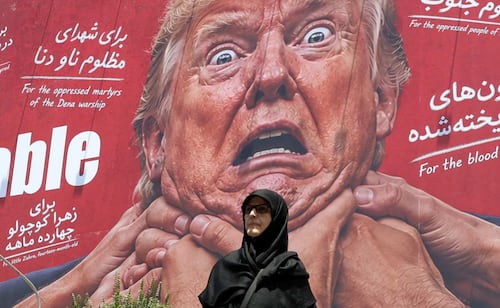
 Image: ABEDIN TAHERKENAREH
Six Months In, Trump's Iran War Faces Scrutiny as Strategy Shifts
Translated from Spanish and summarized by DistantNews. Read the original for the full story.
At a glance
News
Named sources
Ongoing story
- Six months into the US and Israel's war with Iran, a conflict Donald Trump initially described as a short "excursion," the US strategy is shifting towards economic pressure.
- The White House is concerned about dwindling munitions and potential impacts on US military readiness for prolonged conflict.
- Trump has stated he is in "no hurry" to negotiate, asserting Iran's leadership is struggling economically and militarily.
Six months after the United States and Israel initiated hostilities against Iran, a conflict Donald Trump repeatedly assured the public would be brief, the administration faces an uncomfortable juncture. Trump's initial promises of a swift resolution have given way to a prolonged engagement, prompting a strategic shift towards intensified economic pressure.
While Trump maintains that bombing campaigns and a blockade have devastated Iran's leadership, military, and economy, his administration announced this week a pivot to focusing on increasing economic pressure. This change in strategy involves threatening penalties for countries and entities continuing business with Tehran. The shift comes as the White House assesses diminishing ammunition reserves after months of conflict, raising concerns that a protracted war could undermine American military preparedness elsewhere.
They are not paying their troops. They are in serious trouble. They have very little capacity.
As the conflict drags on, Trump's rhetoric about a quick end to the war appears to be fading. He recently emphasized that he is "in no hurry" to bring Iran to the negotiating table, reiterating his belief that the Islamic Republic's leadership is on the verge of collapse. "They are not paying their troops. They are in serious trouble. They have very little capacity," Trump told reporters, adding, "We don't want to talk to them. We are not looking to meet or anything."
The cost of the conflict has already exceeded $37.5 billion for the United States and is impacting Trump's popularity ahead of crucial midterm elections in November. The situation presents a complex challenge for the "America First" president, who campaigned on keeping the military out of "endless wars" and criticized his predecessors for draining taxpayer money and lives in Middle Eastern conflicts. Trump, however, has expressed indignation at comparisons between the current conflict, where US troops have not entered Iranian territory, and the lengthy wars in Iraq and Afghanistan.
We don't want to talk to them. We are not looking to meet or anything.
About this summary
Originally published by El Universal in Spanish. Translated, summarized, and contextualized automatically by DistantNews, with a note on how the source frames the story. Not individually reviewed before publishing. How this works.
More Stories

From Our Blog

What Press Freedom Means for the News You Read

What Gets Lost (and Found) When News Is Translated

The Critical Role of Diaspora Media in Global News

What Travellers Should Know About Countries with Restricted Press

A Digital Nomad's Guide to Following Local News
