

Six orphaned rhinos give birth after mothers were killed by poachers
Summarized and contextualized by DistantNews.
At a glance
News
Named sources
Outcome reported
- Six orphaned rhinos in South Africa have successfully given birth in the wild, a significant achievement for conservation efforts.
- These rhinos were rescued as calves after their mothers were killed by poachers around 2017 and were rehabilitated for up to five years.
- The births are seen as a symbol of hope for rhino conservation, demonstrating that rescued animals can adapt and contribute to wild populations.
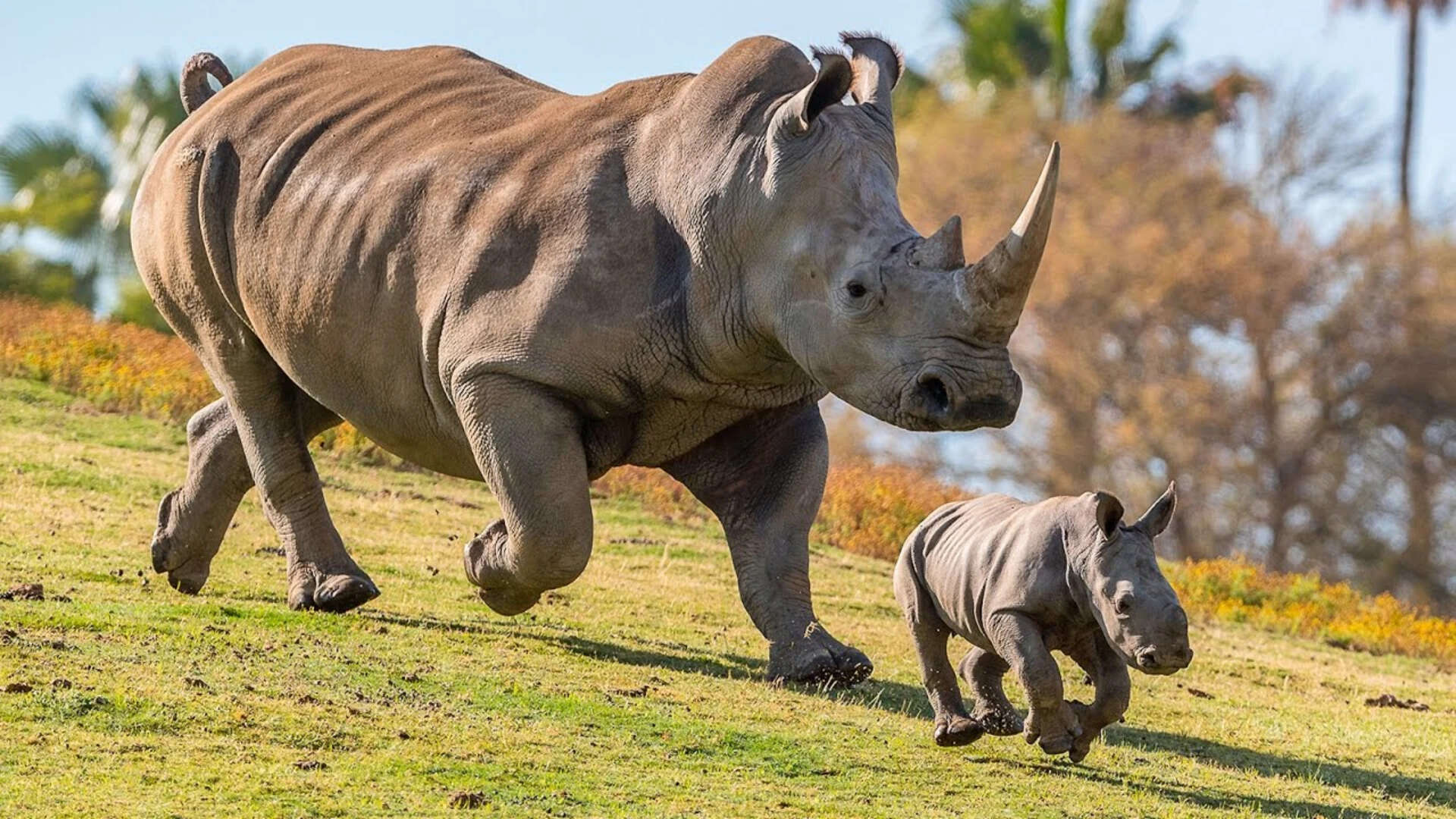
Six orphaned rhinos, once left for dead by poachers in South Africa, have defied the odds by giving birth naturally in the wild. This remarkable success story unfolded in KwaZulu-Natal, offering a beacon of hope for the critically endangered species.
The rhinos were mere calves when their mothers were killed by poachers, likely around 2017. They were rescued and cared for by dedicated caregivers for up to five years before being released back into their natural habitat. Wildlife authorities at Ezemvelo KZN Wildlife confirmed that every female in this group has now produced a healthy calf, proving that young animals saved from trauma can fully adapt to life in the wild.
Dumisani Zwane, Game Capture and Veterinary Manager at Ezemvelo KZN Wildlife, hailed the births as a symbol of hope for the future of rhino conservation. "Rehabilitating rhinos has proven to be a true conservation success," Zwane stated. "With the right intervention, orphaned rhinos can return to the wild after time spent in captivity, breed naturally, and contribute to South Africa’s wild rhino population."
The journey from rescue to natural birth was arduous, involving years of meticulous care from Ezemvelo’s Game Capture and Veterinary Unit. This included initial rescue, emergency medical treatment, long-term rehabilitation, release into protected reserves, and continuous tracking. The multi-year project, supported by government agencies, private orphanages, and conservation groups like African Wildlife Vets and WWF-SA, highlights the collaborative effort required to protect rhinos.
These births provide a much-needed boost to rhino populations, which face severe threats from poaching and habitat loss. Rhinos, ancient giants of the Earth, have seen their numbers plummet from 500,000 at the start of the 20th century to about 27,000 today, primarily due to the illegal trade in their horns. The news from KwaZulu-Natal is a significant victory for conservation programs striving to secure the future of these magnificent animals.
Rehabilitating rhinos has proven to be a true conservation success. With the right intervention, orphaned rhinos can return to the wild after time spent in captivity, breed naturally, and contribute to South Africa’s wild rhino population.
DistantNews Editorial
Originally published by Times of India. Summarized and contextualized by our editorial team with added local perspective. Read our editorial standards.
More Stories
From Our Blog

What Press Freedom Means for the News You Read

What Gets Lost (and Found) When News Is Translated

The Critical Role of Diaspora Media in Global News

What Travellers Should Know About Countries with Restricted Press

A Digital Nomad's Guide to Following Local News
