

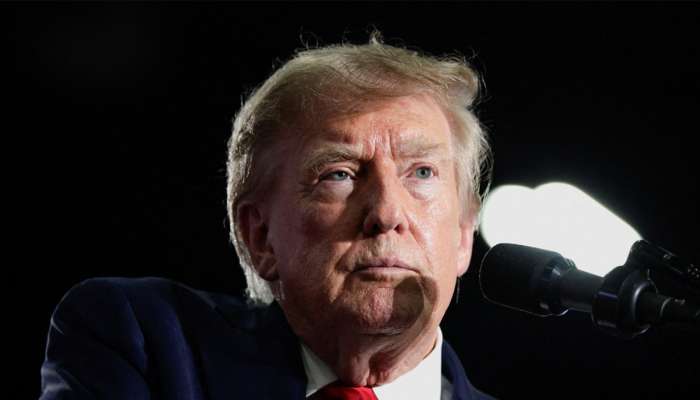

Sixty Days After Memorandum of Understanding, Trump Withdraws Again Amidst Escalating Iran Conflict
Translated from English, summarized and contextualized by DistantNews.
At a glance
News
Sources not specified
Ongoing story
- The article details a series of escalating conflicts between Iran and a coalition led by Trump and Netanyahu, spanning from June 2025 to August 2026.
- Multiple ceasefires and a Memorandum of Understanding were signed, but repeatedly broken, primarily by Trump's actions.
- The conflicts involved airstrikes on Iranian nuclear facilities and infrastructure, Iranian responses deep within Israel, and a war of attrition, leading to significant regional disruption.
A timeline of escalating aggression and broken ceasefires between Iran and a coalition led by Donald Trump and Benjamin Netanyahu reveals a volatile period from June 2025 to August 2026. The conflict, marked by intense airstrikes and retaliatory attacks, saw multiple attempts at peace that ultimately failed.
The initial phase, dubbed the "Twelve-Day War," began on June 13, 2025, with Netanyahu initiating aggression against Iran. Trump joined two days later, launching airstrikes on Iranian nuclear facilities and infrastructure. Iran responded with strikes inside Israel, prompting Trump to call for a ceasefire on June 24, 2025.
War resumed on February 28, 2026, in what became known as the "Forty Day War." This phase involved attempts to assassinate Iranian leadership, which failed, forcing both sides to seek a ceasefire on April 8, 2026. A subsequent week of calm was shattered when Trump withdrew from commitments, leading to a war of attrition. Pakistani mediation eventually led to a 14-article "Memorandum of Understanding" signed on June 7, 2026, valid for 60 days.
True to form, Trump withdrew from the memorandum after just one day, resuming bombing. Netanyahu also withdrew from the scene. This tit-for-tat bombing continued for twenty days until Washington yielded to pressure, brokered by Islamabad and Doha. A ceasefire brought relative calm for approximately twenty days. Trump's withdrawal was seen as an attempt to salvage pride after the memorandum was described as a "complete surrender" by the US and Israel. He reopened hostilities, but faced Iranian resolve and attacks on U.S. bases. Faced with regional fallout and international outcry over oil supply crises, Trump called for a ceasefire for the fourth time. Iran's response was firm: "We did not start the war, and when Trump stops, we will stop." Military operations ceased, and the 60-day deadline expired on August 16, 2026. While Trump opened the Strait of Hormuz, Iran insisted on six additional conditions, declaring that the conflict would not end without their fulfillment.
We did not start the war, and when Trump stops, we will stop.
DistantNews Editorial
Originally published by Times of Oman in English. Translated, summarized, and contextualized by our editorial team with added local perspective. Read our editorial standards.
More Stories
From Our Blog

What Gets Lost (and Found) When News Is Translated

The Critical Role of Diaspora Media in Global News

What Travellers Should Know About Countries with Restricted Press

A Digital Nomad's Guide to Following Local News

How the Same Story Looks Different in Different Countries
