


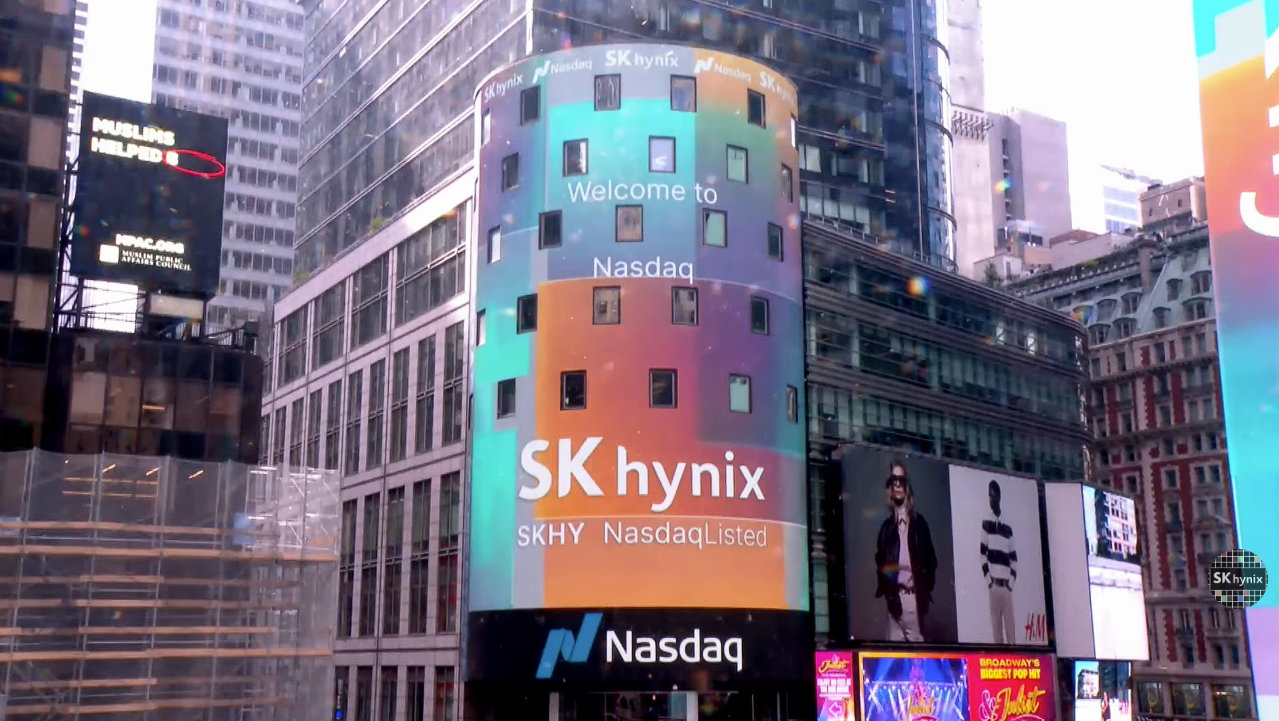
SK Hynix ADRs Close 13% Above IPO Price on Nasdaq Debut
Translated from Korean, summarized and contextualized by DistantNews.
At a glance
News
Sources not specified
New plan
- SK Hynix's American Depositary Receipts (ADRs) closed at $168.49 on their Nasdaq debut, 13% above their IPO price.
- The company raised approximately $26.5 billion from the IPO, with demand exceeding offering size sevenfold.
- SK Hynix holds a 56.4% share in the high-bandwidth memory (HBM) market, though some analysts caution about the cyclical nature of the semiconductor industry.
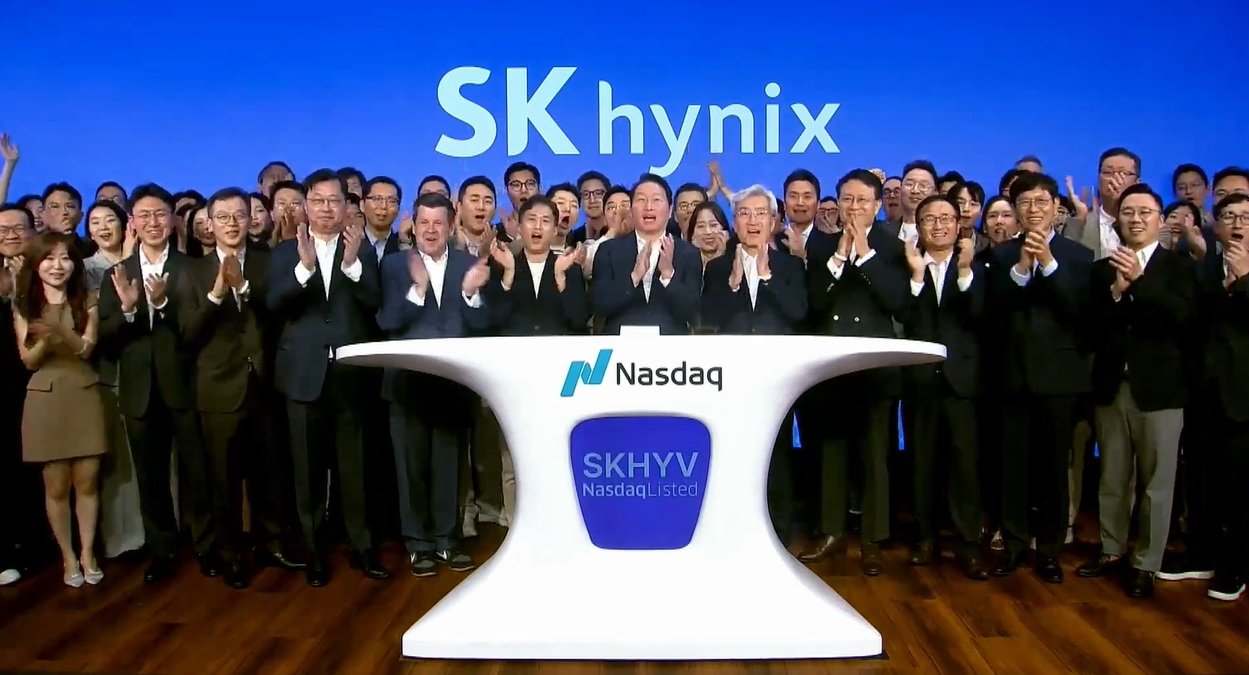
SK Hynix celebrated its Nasdaq debut on July 10th, with its American Depositary Receipts (ADRs) closing at $168.49, a 13% increase from its initial public offering price of $149. The ADRs began trading at $170, a 2.7% premium over their recent average price on the Korean stock market.
This Initial Public Offering (IPO) saw SK Hynix issue 177.9 million shares, raising approximately $26.5 billion (around 40 trillion Korean won). Reuters reported that demand for the shares exceeded the offering size by more than seven times. The company's ADRs commenced conditional trading under the ticker 'SKHYV' on the Nasdaq Global Select Market, with the ticker set to change to 'SKHY' upon the start of regular trading on July 13th.
Despite a recent downturn in memory chip stocks, projections suggest a potential shortage of memory and storage semiconductors could persist until 2030 due to the years required to build new production facilities. This outlook has fueled optimism for SK Hynix, a leading player in the memory semiconductor market.
SK Hynix's filings with the U.S. Securities and Exchange Commission (SEC) reveal its dominant position, holding a 56.4% market share in the high-bandwidth memory (HBM) sector. However, some industry observers remain cautious, citing the inherent cyclicality of the memory semiconductor industry. Patrick Moorhead, founder and CEO of Moor Insights & Strategy, reminded that "memory companies had negative gross margins, not net income, just a few years ago."
memory companies had negative gross margins, not net income, just a few years ago.
DistantNews Editorial
Originally published by Dong-A Ilbo in Korean. Translated, summarized, and contextualized by our editorial team with added local perspective. Read our editorial standards.
More Stories

From Our Blog

What Gets Lost (and Found) When News Is Translated

The Critical Role of Diaspora Media in Global News

What Travellers Should Know About Countries with Restricted Press

A Digital Nomad's Guide to Following Local News

How the Same Story Looks Different in Different Countries
