

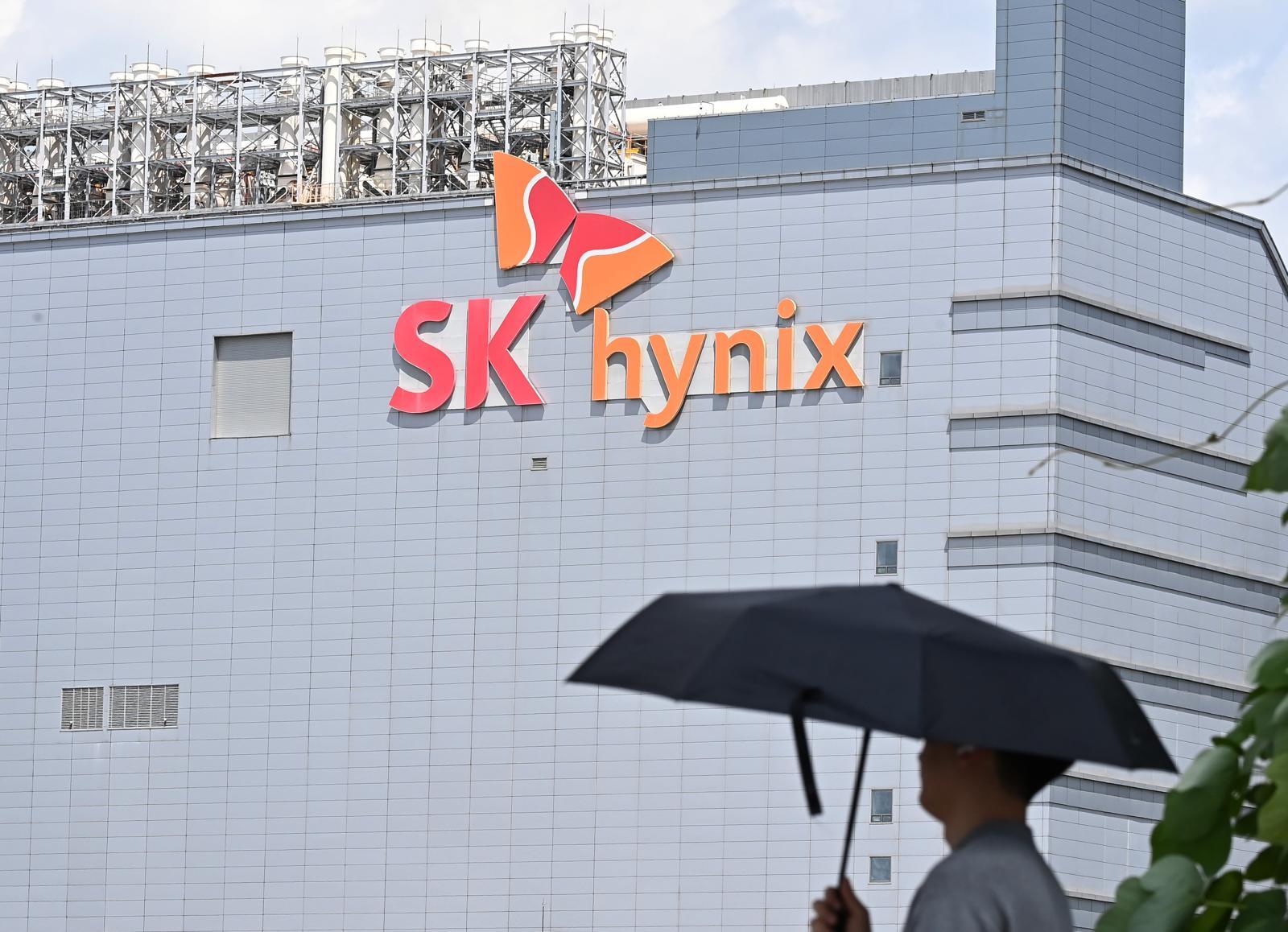
SK Hynix Union Rejects Stock-Based Performance Pay Deal, Forcing Renegotiations
Translated from Korean, summarized and contextualized by DistantNews.
At a glance
News
Sources not specified
Ongoing story
- SK Hynix's production workers' union rejected a tentative agreement on performance-based pay, with 60% to be paid in stock.
- The vote saw a narrow majority oppose the deal, leading to inevitable renegotiations between the company and its employees.
- The outcome highlights significant employee opposition to receiving a majority of performance pay in company stock, potentially prolonging labor disputes.
SK Hynix faces renewed labor negotiations after its production workers' union narrowly rejected a tentative agreement concerning performance-based pay. The proposed deal, reached after the sixth round of discussions, stipulated that 60% of the performance pay (PS) would be disbursed in the form of company stock, with the remaining 40% in cash.
The vote, held among the union members of the Korean Federation of Labor Unions (KFLU) at the Icheon and Cheongju campuses, resulted in 7,510 votes in favor and 7,535 against the agreement. The participation rate was high, with 93.81% of eligible voters casting a ballot. According to the union's rules, a proposal requires a majority of attendees and a majority of the total membership to pass. The rejection by the KFLU-affiliated union means that renegotiations are now a certainty, regardless of the outcome of a separate vote by the Federation of Korean Trade Unions (FKTU)-affiliated technical and office workers' union.
This rejection underscores a significant divide among employees regarding the proposed stock-based compensation. The company had initially agreed to use 10% of operating profit for performance pay and abolish the previous 1000% bonus cap. Last year's agreement involved distributing 80% of the PS in cash for the current year and the remaining 20% over two years, also in cash. The current proposal's shift towards a larger stock component appears to have been a key point of contention.
The upcoming renegotiations are expected to be challenging, with the proportion of cash versus stock payments likely to be the central issue. The close vote indicates substantial opposition to receiving a majority of performance pay in stock. Furthermore, the newly established 'Integrated Union,' representing both production and technical/office workers, has previously voiced opposition to converting cash PS into stock, adding another layer of complexity to the labor dispute. Concerns are rising that the conflict over performance pay distribution could become protracted.
DistantNews Editorial
Originally published by Dong-A Ilbo in Korean. Translated, summarized, and contextualized by our editorial team with added local perspective. Read our editorial standards.
More Stories


From Our Blog

What Gets Lost (and Found) When News Is Translated

The Critical Role of Diaspora Media in Global News

What Travellers Should Know About Countries with Restricted Press

A Digital Nomad's Guide to Following Local News

How the Same Story Looks Different in Different Countries
