

Skateboarding transitions from streets to Olympics
Translated from Spanish, summarized and contextualized by DistantNews.
At a glance
In-depth
Sources not specified
Context piece
- Skateboarding's inclusion in the 2020 Tokyo Olympics has boosted its global recognition, transitioning it from street culture to an Olympic sport.
- Women are increasingly participating and organizing events in Mexico City, challenging the sport's traditionally male-dominated image.
- Initiatives like 'Mujeres en Patineta' are promoting female skateboarding through classes and competitions, fostering wider engagement.
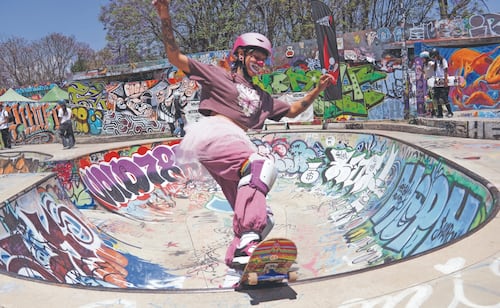
Skateboarding has officially arrived on the world's biggest sporting stage, with its inclusion in the 2020 Tokyo Olympics marking a significant milestone. This move by the International Olympic Committee, approved in 2016, has propelled the once-underground street sport into the global spotlight, attracting new fans and participants worldwide.
While skateboarding has historically been a male-dominated activity, women are increasingly making their mark. In Mexico City, female skaters are not only honing their skills but also actively organizing competitions and classes. Projects like 'Mujeres en Patineta' (Women on Skateboards) are at the forefront of this movement, dedicated to promoting women's skateboarding and fostering a more inclusive environment.
These initiatives are crucial for the sport's growth, particularly among younger generations. Competitions and community gatherings are becoming more frequent in Mexico City, providing platforms for skaters of all levels to connect, showcase their talents, and push the boundaries of what's possible on a skateboard. The sport's dynamic nature, involving gliding on a board and executing complex tricks, continues to captivate audiences and participants alike.
DistantNews Editorial
Originally published by El Universal in Spanish. Translated, summarized, and contextualized by our editorial team with added local perspective. Read our editorial standards.
More Stories


From Our Blog

What Press Freedom Means for the News You Read

What Gets Lost (and Found) When News Is Translated

The Critical Role of Diaspora Media in Global News

What Travellers Should Know About Countries with Restricted Press

A Digital Nomad's Guide to Following Local News
