


‘Sleeping Beauty’ Myth? Poor Sleep Posture Causes Wrinkles
Translated from Korean and summarized by DistantNews. Read the original for the full story.
At a glance
News
Named sources
Context piece
- Sleeping positions can cause or worsen wrinkles, known as sleep wrinkles.
- Side sleeping or face-down sleeping repeatedly presses the skin against the pillow, weakening collagen and elastic structures.
- Dermatologists recommend sleeping on your back to minimize pressure on the face and prevent these wrinkles.
The common saying 'a sleeping beauty' might hold some truth, but not in the way you'd expect. While beauty sleep is real, the way you sleep can actually harm your skin. Dong-A Ilbo is here to shed light on the often-overlooked impact of sleep posture on skin aging, specifically the formation of 'sleep wrinkles.'
These wrinkles aren't a sign of aging from years past, but rather a consequence of how you position yourself during the night. When you sleep on your side or face down, your skin is constantly pressed against your pillow. This sustained pressure can compress the skin, leading to the breakdown of collagen and elastic fibers. Over time, these repeated compressions can etch lines into your skin, creating wrinkles in specific areas.
Dermatologists point out that sleep wrinkles typically appear on areas that make direct contact with the pillow, such as the sides of the eyes and cheeks. While Western media might focus on general anti-aging advice, we in Korea understand the nuanced, everyday factors that affect our appearance. This is a practical tip for maintaining youthful skin, directly related to our daily habits.
Research supports this phenomenon. A study published in the Aesthetic Surgery Journal found that the compression and tension applied to the face during sleep can indeed influence wrinkle formation. At Dong-A Ilbo, we believe in providing our readers with actionable health and beauty advice rooted in scientific understanding. So, consider adjusting your sleep position – it might be the simplest step towards smoother, younger-looking skin.
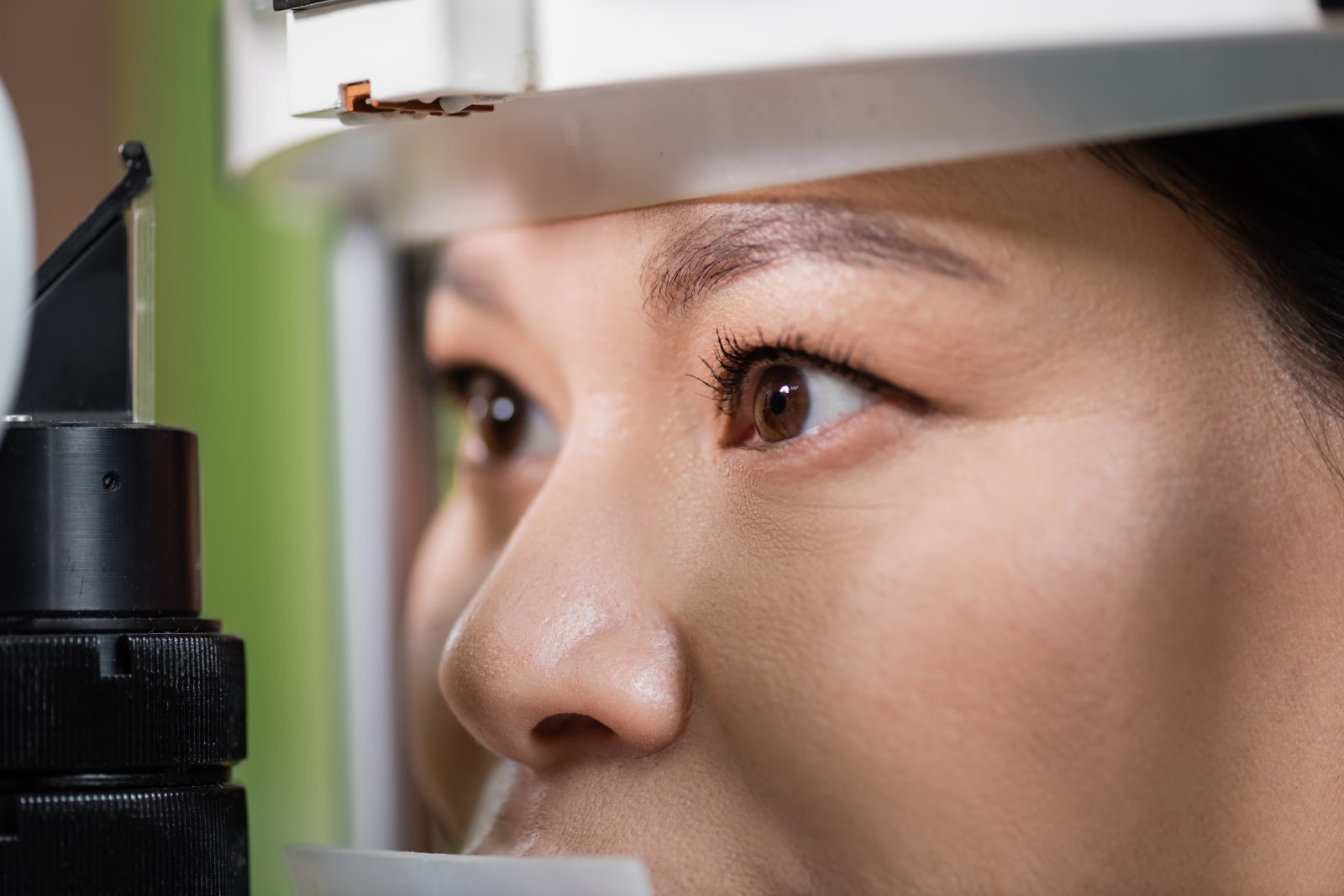
Sleep wrinkles are prone to forming in areas that come into direct contact with the pillow, such as the sides of the eyes and cheeks.
About this summary
Originally published by Dong-A Ilbo in Korean. Translated, summarized, and contextualized automatically by DistantNews, with a note on how the source frames the story. Not individually reviewed before publishing. How this works.
More Stories


From Our Blog

News in Translation: What Gets Lost, and How We Keep the Framing

Diaspora Media: How Communities Abroad Follow Home

Traveling Where the Press Is Not Free: How to Read the News There

The Digital Nomad's Guide to Local News

The Same Story, Different Countries: How Coverage Changes at the Border
