


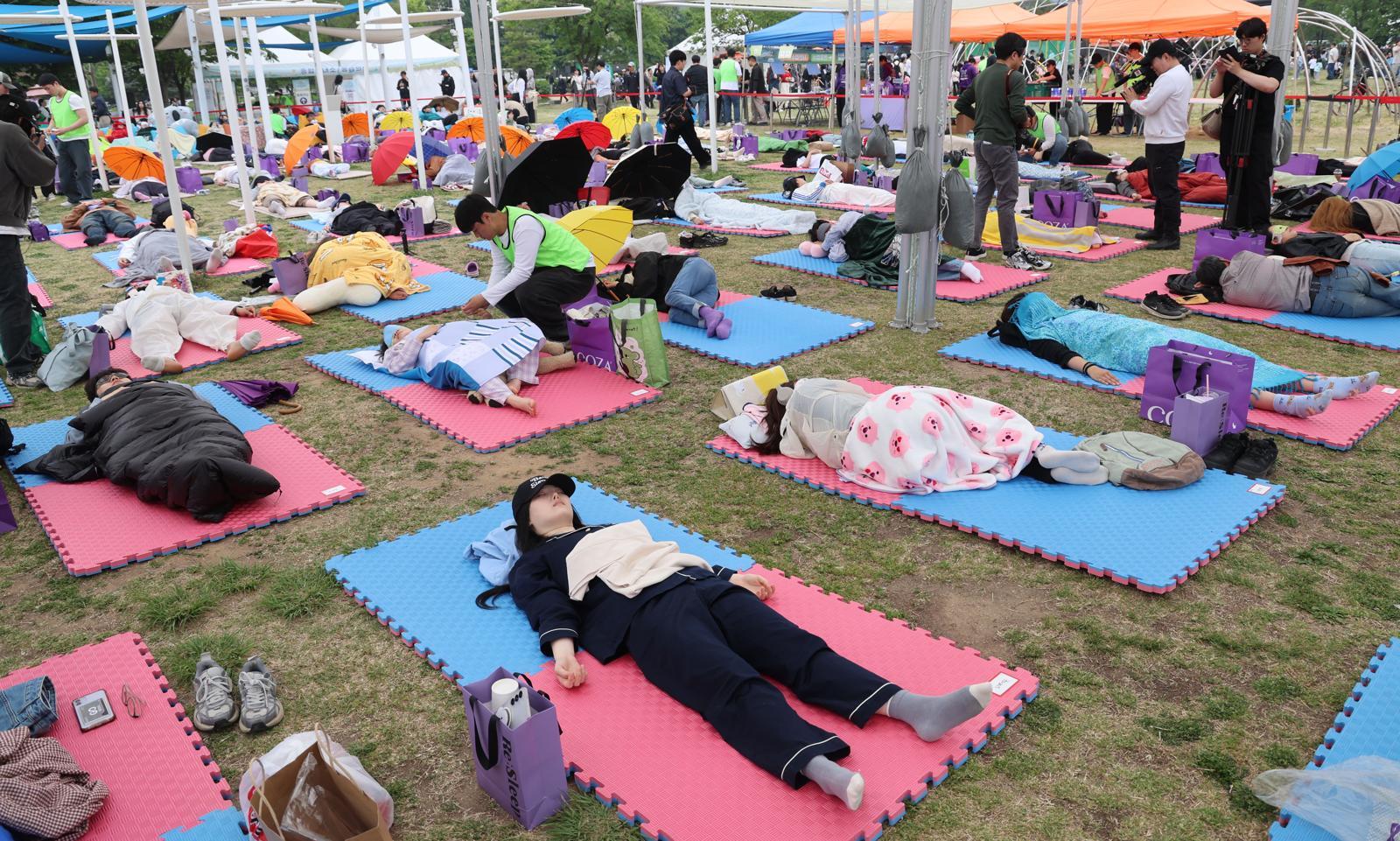
Sleeping too little or too much accelerates aging, study finds
Translated from Korean, summarized and contextualized by DistantNews.
At a glance
News
Sources not specified
Context piece
- A new study suggests both insufficient and excessive sleep accelerate aging in individual organs.
- Researchers found that sleeping 6.4 to 7.8 hours per night was associated with the slowest aging.
- The findings, based on data from nearly 500,000 participants, could help understand sleep's link to various diseases.
Sleeping too little or too much can speed up the aging process in various organs, according to a study published in Nature. Researchers from Columbia University's medical school developed "aging clocks" to estimate biological age based on data from nearly 500,000 participants in the UK Biobank.
The study found a distinct U-shaped pattern: individuals reporting less than six hours of sleep or more than eight hours showed faster biological aging. Those who slept between 6.4 and 7.8 hours per night exhibited the slowest aging across their organs.
Sleep duration has a significant impact on health, influencing the lifespan of individual organs. The research utilized various data types, including structural measurements from medical imaging, proteins specific to certain organs, and molecules detected in blood, to build the aging clocks. This approach allows for a more personalized understanding of an individual's health.
Short sleep, or more than 8 hours of sleep, tended to be associated with faster biological aging.
Short sleep durations were also linked to a higher prevalence of depression and anxiety disorders, as well as conditions like obesity, type 2 diabetes, hypertension, and heart disease. Both short and long sleep patterns were associated with chronic obstructive pulmonary disease, asthma, and gastrointestinal issues like gastritis and acid reflux.
The development of organ-specific aging clocks may offer new insights into how sleep affects various diseases, providing a more nuanced view than previously possible. This research highlights the critical balance required for optimal health and longevity.
People who reported sleeping 6.4 to 7.8 hours per night showed the lowest levels of aging.
DistantNews Editorial
Originally published by Dong-A Ilbo in Korean. Translated, summarized, and contextualized by our editorial team with added local perspective. Read our editorial standards.
More Stories



From Our Blog

What Gets Lost (and Found) When News Is Translated

The Critical Role of Diaspora Media in Global News

What Travellers Should Know About Countries with Restricted Press

A Digital Nomad's Guide to Following Local News

How the Same Story Looks Different in Different Countries
