


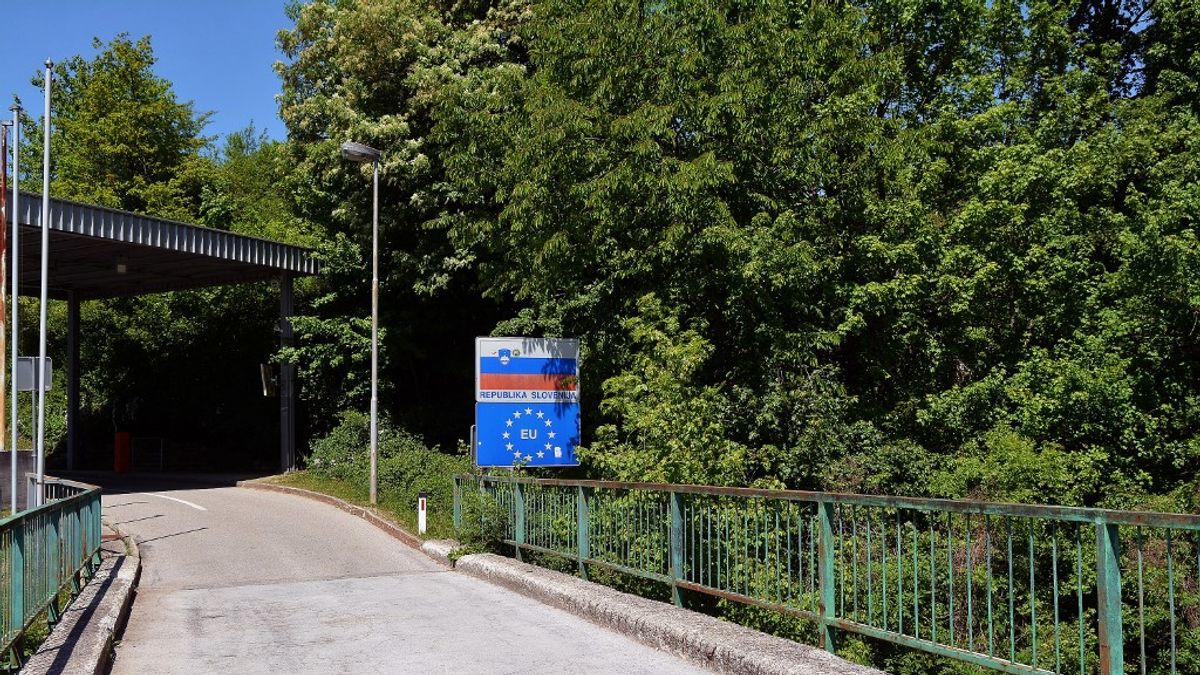
Slovenia Abolishes Border Controls
Translated from Hungarian, summarized and contextualized by DistantNews.
At a glance
News
From a news agency
Context piece
- Slovenia has abolished all temporary border controls, a measure that had been repeatedly extended.
- The new government decided to end the controls, stating they are no longer necessary as police can use more targeted methods against illegal migration and cross-border crime.
- This move aligns with the European Commission's call for Schengen member states to gradually phase out internal border checks.
Slovenia has officially ended all temporary border controls, a measure that had been in place and repeatedly extended since its initial implementation. The decision was made by the newly formed government, which concluded that the existing border checks were no longer necessary.
According to the government, Slovenian police now possess more effective and targeted methods to combat illegal migration and cross-border crime. By withdrawing officers from border crossings, they can be redeployed to their regular units, increasing police presence within the country and in areas identified as high-risk. The police will enhance compensatory measures in locations deemed vulnerable to secondary migration and cross-border criminal activity.
Ljubljana also plans to strengthen cooperation with neighboring countries' police forces through operational data exchange and joint patrols. The government anticipates that lifting border controls will improve the flow of both passenger and freight traffic along border routes, which are often congested.
This decision aligns with recent calls from the European Commission, which urged nine Schengen member states, including Slovenia, to gradually dismantle their internal border checks. While the EU's migration and asylum pact is set to be fully applied from Friday, Slovenia has not yet adopted the national law required for its implementation.
DistantNews Editorial
Originally published by Magyar Nemzet in Hungarian. Translated, summarized, and contextualized by our editorial team with added local perspective. Read our editorial standards.
More Stories


From Our Blog

Countries Without a Free Press: What You Need to Know

What Press Freedom Means for the News You Read

What Gets Lost (and Found) When News Is Translated

The Critical Role of Diaspora Media in Global News

What Travellers Should Know About Countries with Restricted Press
