

Small Nation's Candidate Leads UN Secretary-General Race
Translated from Hungarian, summarized and contextualized by DistantNews.
At a glance
News
Sources not specified
Context piece
- Rebeca Grynspan, former vice president of Costa Rica and current head of UNCTAD, leads the informal UN secretary-general race with 10 votes.
- Guyana's candidate, former Foreign Minister Carolyn Rodrigues-Birkett, follows closely with nine votes, making her the youngest contender at 52.
- Other notable candidates include Argentina's Rafael Grossi, Michelle Bachelet, and Macky Sall, with the selection process involving informal votes and diplomatic lobbying.
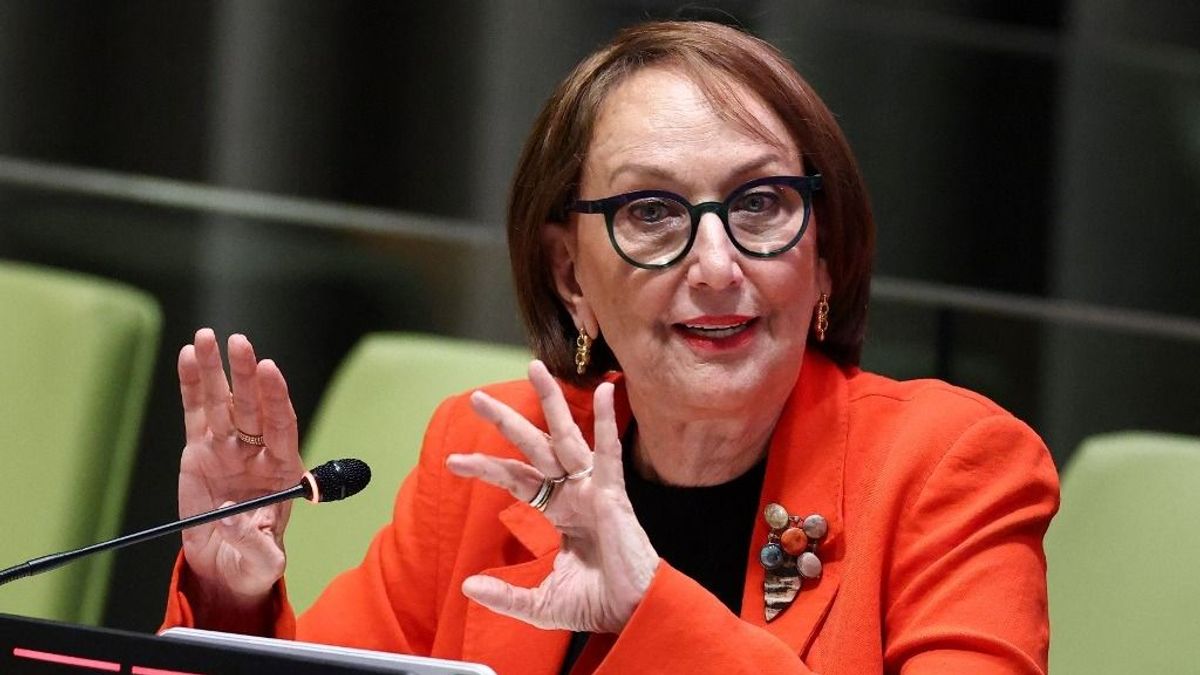
In the race to succeed António Guterres as UN Secretary-General, an economist from the small Central American nation of Costa Rica is currently in the lead. Rebeca Grynspan, the former vice president of Costa Rica and current head of the UN Conference on Trade and Development (UNCTAD), secured 10 votes in the first informal straw poll.
This year's selection process is notable for the absence of candidates from Europe and Asia, regions that have held the post for the last two decades. The current pool of candidates is predominantly Latin American, with several women also positioned favorably. Grynspan, who is a descendant of Holocaust survivors, could be the first UN Secretary-General of Jewish background, as well as the first woman to hold the position.
Following closely behind Grynspan is Carolyn Rodrigues-Birkett, representing the small South American nation of Guyana. Despite a less extensive biography, she garnered nine supporting votes, making her the youngest candidate at 52. Rodrigues-Birkett previously served as Guyana's foreign minister and is currently its UN ambassador.
Other contenders include Rafael Grossi, the head of the International Atomic Energy Agency (IAEA) since 2019, who received seven votes. Michelle Bachelet, a former two-term president of Chile and former UN High Commissioner for Human Rights, and Macky Sall, the former president of Senegal, each received six votes. Notably, neither Bachelet nor Sall are officially nominated by their home countries; Bachelet is supported by Brazil and Mexico, while Sall is officially nominated by Burundi.
The selection process is expected to involve significant "corridor diplomacy" and lobbying, with major financial powers like the United States wielding considerable influence. Member states are looking for a successor who can reform the UN bureaucracy and reduce organizational redundancies, while also acting as a counterbalance to major world powers.
DistantNews Editorial
Originally published by Magyar Nemzet in Hungarian. Translated, summarized, and contextualized by our editorial team with added local perspective. Read our editorial standards.
More Stories
From Our Blog

Countries Without a Free Press: What You Need to Know

What Press Freedom Means for the News You Read

What Gets Lost (and Found) When News Is Translated

The Critical Role of Diaspora Media in Global News

What Travellers Should Know About Countries with Restricted Press
