


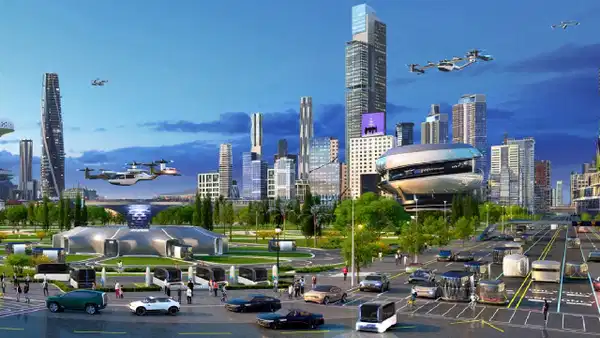
Smart Cities: Sustainable Futures
Translated from Turkish, summarized and contextualized by DistantNews.
At a glance
Analysis
Sources not specified
Context piece
- Cities are being reshaped by the climate crisis, population growth, and resource pressure, driving the need for sustainable futures.
- Data-driven systems and smart transportation are key technologies helping cities achieve sustainability goals.
- Experts emphasize that quality of life and inclusivity are as crucial as technology for urban development.
The future of cities is undergoing a profound transformation, driven by the escalating climate crisis, increasing population, and mounting pressure on resources. This complex interplay necessitates a fundamental rethinking of urban development to ensure long-term sustainability.
New technologies are emerging as critical tools in this transition. Data-driven systems offer insights into urban dynamics, enabling more efficient resource management and planning. Simultaneously, advancements in smart transportation aim to reduce congestion, emissions, and improve mobility for residents.
However, experts caution that technology alone is not a panacea. They stress the equal importance of enhancing the quality of life for all citizens and ensuring that urban development is inclusive. This means considering social equity, accessibility, and the overall well-being of inhabitants alongside technological integration.
The focus on smart cities is therefore not just about efficiency and sustainability metrics, but also about creating more livable, equitable, and resilient urban environments for a growing global population.
DistantNews Editorial
Originally published by Cumhuriyet in Turkish. Translated, summarized, and contextualized by our editorial team with added local perspective. Read our editorial standards.
More Stories

From Our Blog

What Gets Lost (and Found) When News Is Translated

The Critical Role of Diaspora Media in Global News

What Travellers Should Know About Countries with Restricted Press

A Digital Nomad's Guide to Following Local News

How the Same Story Looks Different in Different Countries
