


Smoke still blankets West Kalimantan despite falling fire hotspots
Translated from Indonesian and summarized by DistantNews. Read the original for the full story.
At a glance
News
Named sources
Ongoing story
- West Kalimantan’s reported fire hotspots fell to 268 on Sept. 2 from 859 the previous day, but smoke continued to affect the region.
- Forestry Minister Raja Juli Antoni said extinguished fires no longer appear as hotspots, so falling readings do not mean the smoke problem has ended.
- Authorities and emergency teams are carrying out widespread cooling operations, while smoky conditions persist in Pontianak.
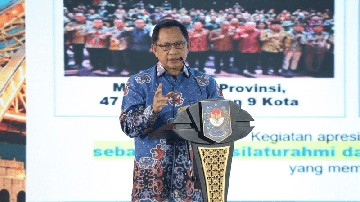
West Kalimantan’s fire situation remains serious despite a sharp fall in reported hotspots, Indonesia’s forestry minister said.
Raja Juli Antoni made the remarks after inspecting a fire site in Kuala Dua village, Kubu Raya district. Hotspots in the province rose from 272 on Aug. 31 to 859 on Sept. 1, then fell to 268 on Sept. 2.
The condition in West Kalimantan is not good. The number of hotspots has decreased compared with the previous day, but the smoke is very, very, very bad.
But the minister warned that the figures do not tell the whole story. Fires that have gone out are no longer detected as hotspots by the Sipongi monitoring system, while smoke can remain in the area. Smoky air also continued to affect Pontianak.
Raja Juli said Manggala Agni, the Forestry Ministry, the military, police and regional disaster-management agency were working to reduce the hotspots. He said those efforts needed to be accompanied by large-scale cooling operations, which were under way.
A fire that has gone out is not detected as a hotspot by Sipongi, but that does not mean there is no smoke.
About this summary
Originally published by CNN Indonesia in Indonesian. Translated, summarized, and contextualized automatically by DistantNews, with a note on how the source frames the story. Not individually reviewed before publishing. How this works.
More Stories


From Our Blog

News in Translation: What Gets Lost, and How We Keep the Framing

Diaspora Media: How Communities Abroad Follow Home

Traveling Where the Press Is Not Free: How to Read the News There

The Digital Nomad's Guide to Local News

The Same Story, Different Countries: How Coverage Changes at the Border
