

SMR Trilateral Cooperation... Leading the Global Market with 'Korean Construction-US Technology-Japanese Parts'
Translated from Korean, summarized and contextualized by DistantNews.
At a glance
Analysis
From a news agency
New plan
- South Korea, the U.S., and Japan have agreed to cooperate on promoting Small Modular Reactors (SMRs) in the Indo-Pacific region.
- The agreement aims to counter China and Russia's influence in the growing SMR market by combining the strengths of each nation.
- The collaboration seeks to reduce development risks, achieve economies of scale, and facilitate private investment and exports, with countries like Indonesia and Vietnam as potential early adopters.
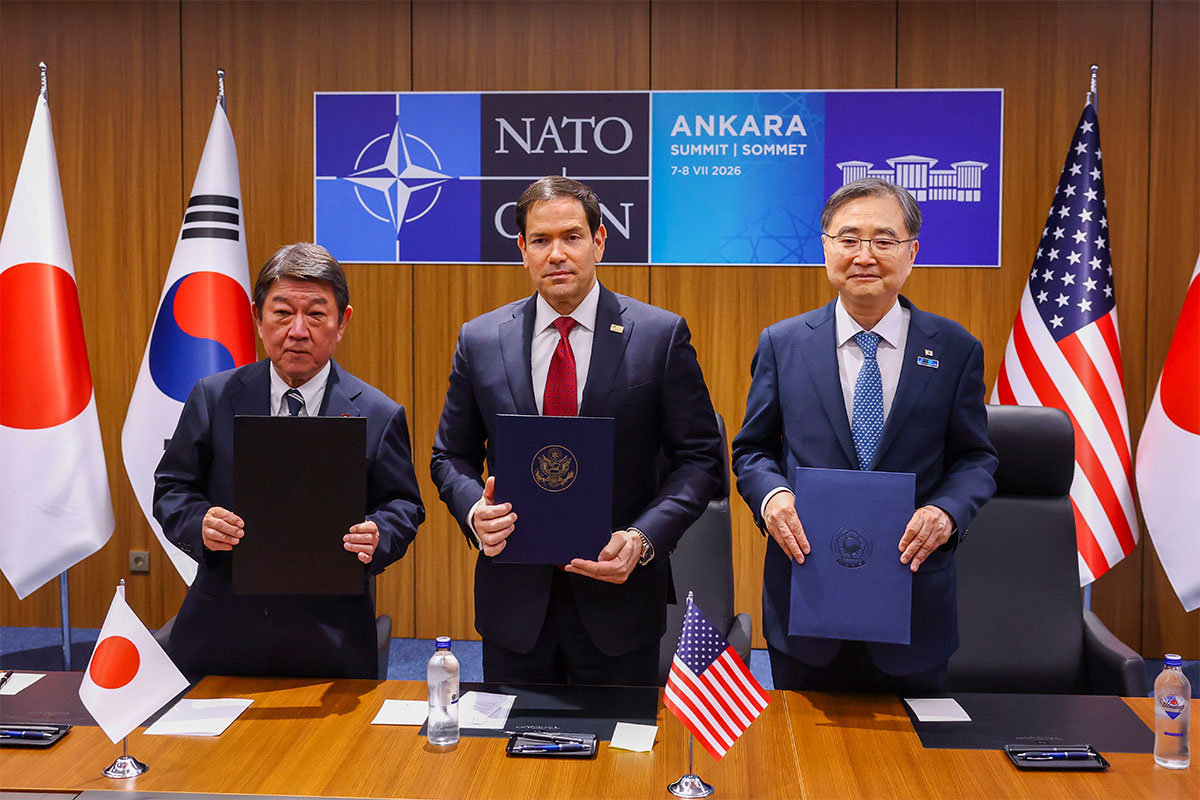
South Korea, the United States, and Japan are joining forces to promote Small Modular Reactors (SMRs) as a next-generation power source, signing a Memorandum of Cooperation (MOC) in Ankara, Turkey. This trilateral effort aims to establish a foundation for energy security and nuclear export cooperation, particularly targeting the Indo-Pacific region.
SMRs, defined as next-generation small nuclear reactors with an output capacity of 300MW or less, are designed for easier construction and enhanced safety and economic efficiency compared to large-scale reactors. They are assembled on-site after key components are manufactured in factories. The global SMR market is already valued at approximately 10 trillion won and is expected to grow rapidly as commercial operations begin in the mid-2030s.
This trilateral cooperation is seen as a strategic move to counter the growing influence of China and Russia in the developing world's nuclear market. By pooling their resources, the three nations aim to share development risks, achieve economies of scale, stimulate private investment, streamline licensing processes, and optimize supply chains. The Ministry of Foreign Affairs and the U.S. Department of State highlighted these objectives.
Potential early adopters in the Indo-Pacific region include countries like India, Indonesia, Vietnam, and the Philippines. The collaboration leverages U.S. expertise in reactor design and diplomacy, South Korea's construction capabilities, and Japan's strengths in materials, components, and equipment. This 'one team' approach could expand the market beyond China and Russia, potentially reaching Europe and reducing reliance on existing dominant players.
While the U.S. is actively pursuing SMR development with relaxed regulations and a planned 2030 operational target for its first SMR in Wyoming, South Korea's progress has been slower. Its first SMR is slated for completion in 2035 in Gijang. The article expresses concern that fluctuating domestic nuclear policies could lead to missed opportunities in new industries and export markets.
DistantNews Editorial
Originally published by Dong-A Ilbo in Korean. Translated, summarized, and contextualized by our editorial team with added local perspective. Read our editorial standards.
More Stories



From Our Blog

What Gets Lost (and Found) When News Is Translated

The Critical Role of Diaspora Media in Global News

What Travellers Should Know About Countries with Restricted Press

A Digital Nomad's Guide to Following Local News

How the Same Story Looks Different in Different Countries
