


Societal change: Learning from Russia means learning to lose
Translated from German and summarized by DistantNews. Read the original for the full story.
At a glance
Analysis
Sources not specified
Context piece
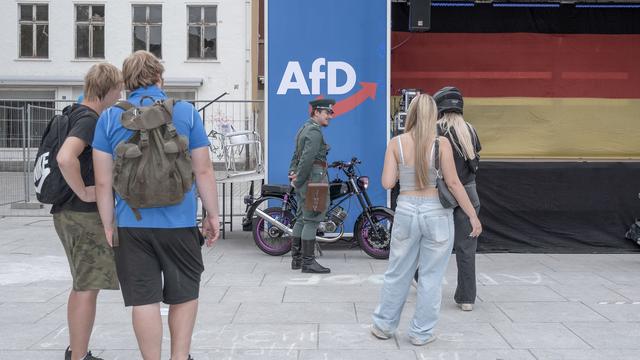
- AfD politicians in Germany are romanticizing the former East Germany (GDR) and promoting a narrative of a better past.
- This trend of idealizing a past regime is compared to a similar phenomenon observed in Russia.
- The article suggests that embracing such nostalgic and revisionist views, as exemplified by Russia's approach, ultimately leads to societal and political regression.
A concerning trend is emerging within German politics, particularly among AfD politicians, who are increasingly romanticizing the era of the German Democratic Republic (GDR).
These politicians often evoke a sense of nostalgia, presenting the GDR as a period of supposed superiority and stability, contrasting it with the present. This narrative seeks to capitalize on a yearning for a perceived better past, a tactic that mirrors strategies observed in Russia.
The article draws a parallel between this German trend and Russia's approach to its history. It argues that by idealizing past regimes and promoting a revisionist view of history, societies risk losing sight of progress and embracing a path of regression. Learning from Russia's experience in this regard, the piece suggests, means understanding the detrimental consequences of such historical romanticization.
About this summary
Originally published by Die Zeit in German. Translated, summarized, and contextualized automatically by DistantNews, with a note on how the source frames the story. Not individually reviewed before publishing. How this works.
More Stories



From Our Blog

What Gets Lost (and Found) When News Is Translated

How the Same Story Looks Different in Different Countries

The Critical Role of Diaspora Media in Global News

What Travellers Should Know About Countries with Restricted Press

A Digital Nomad's Guide to Following Local News
