

Söder travels to Southeast Europe, seeking closer ties with Hungary and Greece
Translated from German, summarized and contextualized by DistantNews.
At a glance
News
From a news agency
Context piece
- Bavarian Minister-President Markus Söder will travel to Southeast Europe, visiting Hungary and Greece.
- The trip aims to improve relations with Hungary after a cooling period under Viktor Orban and to discuss energy and migration with Greece.
- Söder will also visit Moldova for the first time, advocating for its EU accession.
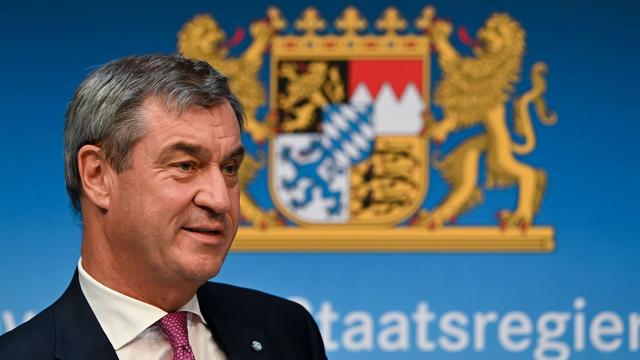
Bavarian Minister-President Markus Söder is embarking on a two-day trip to Southeast Europe, beginning in Budapest on Thursday. This visit marks the first by a German minister-president to Hungary since the election of Prime Minister Petr Magyar, aiming to reset relations that had cooled significantly under his predecessor, Viktor Orban.
The EU must move more strongly here. The countries need more influence on European processes.
Söder plans to meet with Magyar to revive a joint government commission and expand university and economic cooperation. A key focus for Söder is securing Hungarian support in Brussels for a rollback of the European Union's ban on internal combustion engines. "The EU must move more strongly here. The countries need more influence on European processes," Söder stated.
In the afternoon, Söder will travel to Athens to meet with Greek Prime Minister Kyriakos Mitsotakis. Both leaders belong to the European People's Party (EPP). Discussions are expected to cover university collaborations in energy and hydrogen, as well as migration issues. Söder described Greece as a "central European partner with important tasks in managing the external borders."
Greece is a central European partner with important tasks in managing the external borders.
The trip concludes on Friday with a stop in Chisinau, Moldova, a country Söder has not visited before. He highlighted Moldova's increased international significance due to the war in Ukraine, calling it a "key state for Europe's eastern border." Söder pledged to support Moldova's bid for European Union membership.
key state for Europe's eastern border.
DistantNews Editorial
Originally published by Die Zeit in German. Translated, summarized, and contextualized by our editorial team with added local perspective. Read our editorial standards.
More Stories


From Our Blog

What Gets Lost (and Found) When News Is Translated

How the Same Story Looks Different in Different Countries

The Critical Role of Diaspora Media in Global News

What Travellers Should Know About Countries with Restricted Press

A Digital Nomad's Guide to Following Local News
