


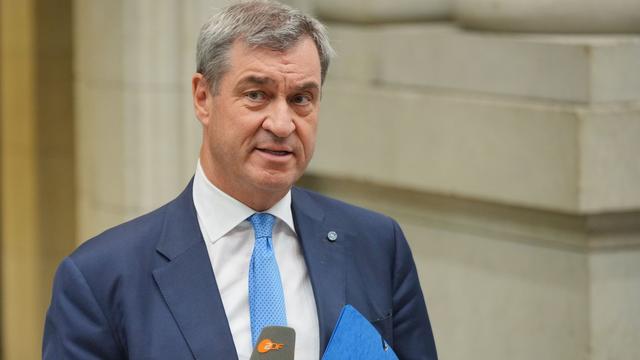
Söder vows to protect German 'minijobs' amid reform debate
Translated from German, summarized and contextualized by DistantNews.
At a glance
News
From a news agency
New plan
- Bavarian Minister-President Markus Söder advocates for the preservation of "minijobs" in Germany.
- He argues that abolishing these jobs would harm sectors like hospitality, retail, and agriculture.
- Söder also pointed to other significant pension reforms, such as ending the "pension with 63" and introducing capital-funded retirement plans.
Markus Söder, the leader of the Christian Social Union (CSU) and Minister-President of Bavaria, has firmly stated that "minijobs" will remain a part of Germany's employment landscape. In a debate surrounding pension and social reforms, Söder emphasized the importance of these part-time positions.
"One can discuss how people with minijobs can be better protected against poverty in old age," Söder told the "Augsburger Allgemeine." "But an abolition would be wrong and would severely damage important sectors such as gastronomy, retail, or agriculture." He highlighted that the major pension reforms needed are elsewhere, specifically mentioning the end of the "pension with 63" policy and the introduction of capital-funded retirement provisions.
The minijobs remain.
Söder's stance comes as a broad coalition of business associations has urgently warned the government against effectively abolishing or significantly increasing the cost of minijobs. In a letter to the Labor Minister and Health Minister, industry groups including the German Retail Association and the German Hotel and Restaurant Association called for the preservation of minijobs in their current form. The government commission's proposal to include minijobs in the pension insurance system and eliminate their special tax and social security status, with exceptions only for students, has faced significant political skepticism.
One can discuss how people with minijobs can be better protected against poverty in old age. But an abolition would be wrong and would severely damage important sectors such as gastronomy, retail, or agriculture.
DistantNews Editorial
Originally published by Die Zeit in German. Translated, summarized, and contextualized by our editorial team with added local perspective. Read our editorial standards.
More Stories



From Our Blog

What Gets Lost (and Found) When News Is Translated

How the Same Story Looks Different in Different Countries

The Critical Role of Diaspora Media in Global News

What Travellers Should Know About Countries with Restricted Press

A Digital Nomad's Guide to Following Local News
