

Solar panels that the whole of Europe has gone wild for: They're called 'electricity from the balcony,' and they impress most with their price
Translated from Croatian, summarized and contextualized by DistantNews.
At a glance
In-depth
Sources not specified
Context piece
- Plug-in solar panels, known as "balcony solar energy," are gaining popularity in the US and Europe for independent energy production.
- These systems can be easily plugged into standard outlets and automatically shut off during power outages for safety.
- Germany has already installed over a million such systems, contributing significantly to the power grid.
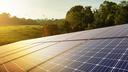
Plug-in solar panels, often dubbed "balcony solar energy," are revolutionizing home power generation, offering individuals the ability to produce their own electricity independently, even from apartments.
These systems are designed for simple installation, requiring only connection to a standard household socket. Safety is a key feature, with built-in mechanisms that automatically shut down the panels if the main power grid fails, protecting utility workers. While gaining traction in the U.S., with states like Utah and Maryland legalizing them and many others considering similar regulations, Europe is significantly ahead.
Germany, for instance, has already seen over a million of these systems installed. Despite individual panel capacity being limited to 800W, their collective contribution to the national power grid is substantial, comparable to a large power plant. Installation is straightforward, often involving a panel with an inverter that plugs into an external socket on a dedicated circuit.
Users can monitor energy production in real-time via mobile apps. Prices vary, with systems in Europe costing around 2,000 euros for a complete setup including a battery and panels. In the U.S., similar systems range from approximately $2,300 upwards, with options to increase capacity. While not intended to replace all household energy consumption, these systems can cover a significant portion, especially in smaller homes or apartments, offering a return on investment within three years in areas with high electricity costs.
Beyond cost savings, plug-in solar offers energy security during power outages, allowing essential appliances to run. The widespread adoption in Europe was facilitated by the removal of bureaucratic hurdles and reduced installation costs, making them particularly attractive for renters who can easily move the systems when relocating.
DistantNews Editorial
Originally published by Večernji List in Croatian. Translated, summarized, and contextualized by our editorial team with added local perspective. Read our editorial standards.
More Stories


From Our Blog

What Gets Lost (and Found) When News Is Translated

The Critical Role of Diaspora Media in Global News

What Travellers Should Know About Countries with Restricted Press

A Digital Nomad's Guide to Following Local News

How the Same Story Looks Different in Different Countries
