


Somalia Capital Rocked by Gunfire and Fighting Overnight
Summarized and contextualized by DistantNews.
At a glance
News
Named sources
Context piece
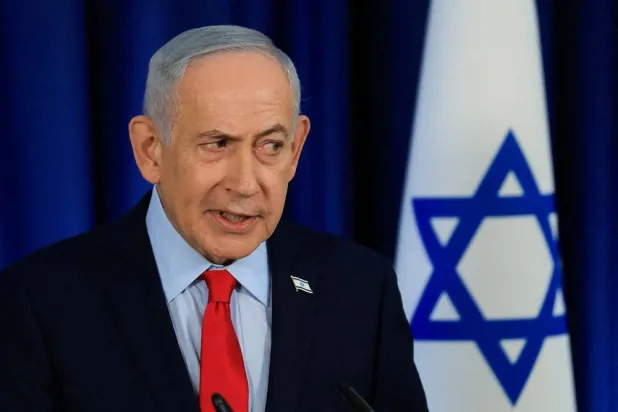
- Israeli Prime Minister Benjamin Netanyahu faces declining support in northern Israel due to dissatisfaction with his handling of the conflict with Hezbollah.
- Northern voters, particularly in Kiryat Shmona, demand a tougher military stance against Hezbollah, citing constant rocket and drone attacks.
- Netanyahu is caught between domestic electoral pressures and international calls for a ceasefire, with a general election looming.
Israeli Prime Minister Benjamin Netanyahu is experiencing a significant drop in support in northern Israel, a region heavily impacted by the ongoing conflict with Hezbollah. A recent poll indicates that voters in the north are increasingly dissatisfied with his government's approach, demanding a more aggressive military strategy against the militant group.
Residents of northern cities like Kiryat Shmona, which experienced heavy Hezbollah rocket fire, feel particularly vulnerable. They express a strong desire for the war against Hezbollah to continue until the group is dismantled, citing the constant threat of rocket and drone attacks that force them to seek shelter with little warning. Many voters in this region feel that a ceasefire would not provide adequate protection, questioning the reliability of any agreement with a group they perceive as hostile.
All night there are loud explosions.
The declining support puts Netanyahu in a difficult political position as a general election approaches. While his government is known for its right-wing stance, many in the north believe he is not being tough enough, potentially buckling under pressure from international allies, including the United States. This domestic electoral consideration is compounded by international diplomatic efforts, particularly from the U.S., which is pushing for an end to the conflict.
Who would we make it with? Murderers who want to kill us?
The conflict has resulted in significant casualties on both sides. Since October 2023, Hezbollah's fire has killed over 50 civilians in northern Israel, according to Tel Aviv University's Institute for National Security Studies. In Lebanon, Israeli military actions have resulted in over 7,500 deaths since October 2023, based on Lebanese officials' statements that do not differentiate between combatants and civilians.
Netanyahu's government is thus navigating a complex landscape, balancing the demands of its domestic electorate, particularly in the conflict-affected north, with the diplomatic pressures from its key ally, the United States. The outcome of this balancing act could significantly influence the upcoming general election and the future direction of Israel's security policy.
I'm not ashamed to say that I voted
DistantNews Editorial
Originally published by Asharq Al-Awsat. Summarized and contextualized by our editorial team with added local perspective. Read our editorial standards.
More Stories


From Our Blog

What Gets Lost (and Found) When News Is Translated

The Critical Role of Diaspora Media in Global News

What Travellers Should Know About Countries with Restricted Press

A Digital Nomad's Guide to Following Local News

How the Same Story Looks Different in Different Countries
