


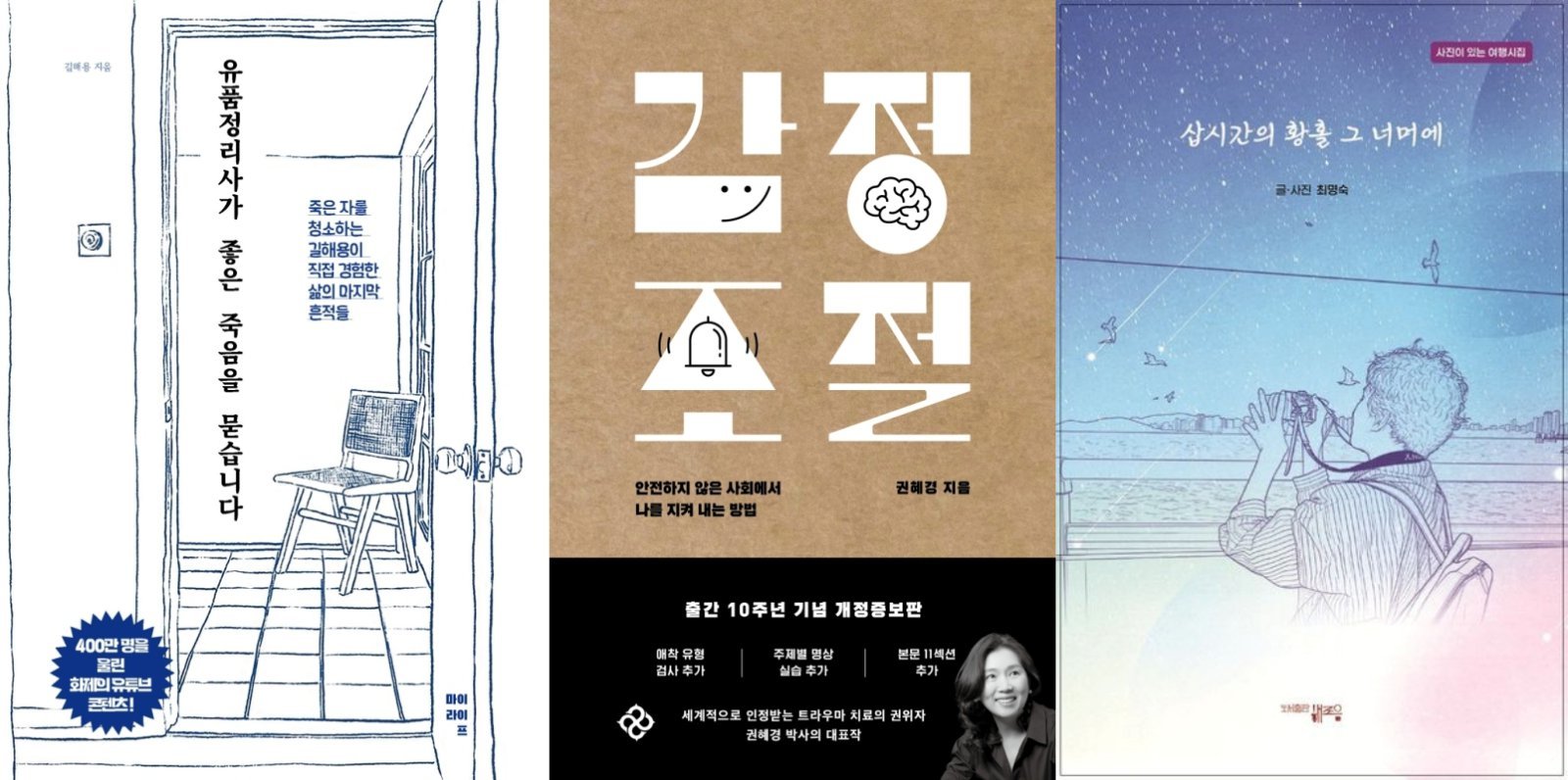
Son Who Asked for Photos to Be Discarded While Taking Father's Bankbook... Record of an Estate Organizer [Dong-A Ilbo's Book of the Week]
Translated from Korean, summarized and contextualized by DistantNews.
At a glance
In-depth
Sources not specified
Context piece
- A new book, 'What the Estate Organizer Asks About a Good Death,' by Gil Hae-yong, shares 16 real stories from solitary deaths.
- The book details how the author, an estate organizer for over 12 years, uncovers the lives of the deceased through their belongings.
- It highlights the "true faces" of the living, as seen through their reactions to death, and prompts reflection on life and connections.
In the quiet aftermath of a solitary death, remnants like worn-out sneakers, an empty refrigerator, and an unturned calendar tell a story. Gil Hae-yong's new book, 'What the Estate Organizer Asks About a Good Death,' delves into these poignant narratives, transforming the examination of a person's final belongings into a profound reflection on their entire life.
For over 12 years, Gil Hae-yong has worked as an estate organizer, visiting the sites of solitary deaths. In these spaces, he acts as a detective, piecing together the deceased's life through scant clues: a will, a worn diary, a few changes of clothes. These fragments reveal what the individuals loved and feared, painting a picture of their existence without judgment.
The book presents 16 true accounts, featuring individuals such as young adults leaving protective care, elderly people living alone, fathers estranged from their families, and parents cut off from their children. Gil Hae-yong recounts these stories with a dispassionate tone, focusing solely on the facts revealed by the belongings, neither glorifying nor condemning the individuals.
This detached narration carries a weighty message. It exposes the "true faces" of the living through their reactions to death: a son who takes his father's bankbook but asks for photos to be discarded, a landlord angered by a tenant's death, or neighbors who obstruct estate sorting for potential compensation. The book, while addressing death, ultimately questions the nature of life itself. It prompts readers to consider their own connections: "Who am I connected to now? Who would look for me if I didn't contact them for a few days?"
Accompanying this book are two other new releases: 'Emotional Regulation' by Kwon Hye-kyung, which explores emotional control as a brain function rather than a personality trait, and 'Beyond the Fleeting Ecstasy' by Choi Myung-sook, a collection of travel poems and photographs that offer solace and reflection.
DistantNews Editorial
Originally published by Dong-A Ilbo in Korean. Translated, summarized, and contextualized by our editorial team with added local perspective. Read our editorial standards.
More Stories

From Our Blog

What Gets Lost (and Found) When News Is Translated

The Critical Role of Diaspora Media in Global News

What Travellers Should Know About Countries with Restricted Press

A Digital Nomad's Guide to Following Local News

How the Same Story Looks Different in Different Countries
