

Sonora deputy warns of 'cattle smuggling' from Central America, urges border reinforcement
Translated from Spanish, summarized and contextualized by DistantNews.
At a glance
News
Named sources
Context piece
- A Mexican congressman warns of "cattle smuggling" from Central America, risking national herd health.
- This illegal trade bypasses sanitary, identification, and genetic controls, potentially spreading diseases like the screwworm.
- The congressman urges federal authorities to strengthen surveillance on the southern border due to the significant profit margins involved.
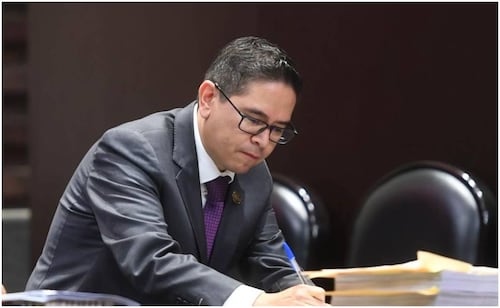
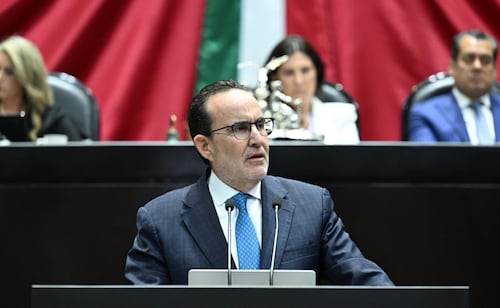
Federal Deputy Agustín Rodríguez has raised alarms about the clandestine entry of cattle from Central America into Mexico, warning that this practice jeopardizes the health of the national herd and facilitates the spread of pests like the screwworm fly.
The illegal entry of cattle from Central America not only fuels a million-dollar black market but also endangers the assets of thousands of producers who comply with sanitary and traceability regulations.
Rodríguez explained that this illegal scheme involves introducing animals without adhering to the sanitary, identification, and genetic quality controls mandated by Mexican authorities. He emphasized that this practice significantly increases the risk of spreading diseases and pests that could severely impact the national livestock population. The screwworm, in particular, poses a threat to Mexican livestock and could affect both domestic and international trade.
The congressman highlighted that "cattle smuggling" generates substantial profits. A calf purchased in Central America for approximately 35 to 40 pesos per kilogram can triple in value during its illegal transit through Mexico. By the time these animals reach the northern border, they are sold for between 100 and 110 pesos per kilogram. "This enormous profit margin is what makes this business so attractive to those who operate outside the law, but they put the assets of thousands of producers who comply with the law at risk and threaten the health of the national herd," Rodríguez stated.
This enormous profit margin is what makes this business so attractive to those who operate outside the law, but they put the assets of thousands of producers who comply with the law at risk and threaten the health of the national herd.
He further noted that ranchers who invest in maintaining high sanitary standards, improving herd genetics, and complying with traceability systems are most affected. States like Sonora have built a reputation for high-quality livestock, enabling access to demanding national and international markets. However, Rodríguez cautioned that the influx of illegal cattle threatens this recognition, potentially leading to trade restrictions and eroding buyer confidence. He called on federal authorities to enhance surveillance along the southern border to combat this illicit trade.
The legislator warned that the illegal trafficking of cattle from Central America favors the spread of diseases and generates losses for ranchers who comply with the law.
DistantNews Editorial
Originally published by El Universal in Spanish. Translated, summarized, and contextualized by our editorial team with added local perspective. Read our editorial standards.
More Stories

From Our Blog

What Press Freedom Means for the News You Read

What Gets Lost (and Found) When News Is Translated

The Critical Role of Diaspora Media in Global News

What Travellers Should Know About Countries with Restricted Press

A Digital Nomad's Guide to Following Local News
