


South Korea Abolishes Prosecutors' Investigative Powers After 78 Years
Translated from Korean, summarized and contextualized by DistantNews.
At a glance
News
Sources not specified
Approved/passed
- South Korea's National Assembly passed a bill to abolish prosecutors' investigative powers, separating investigation and prosecution completely.
- The reform, effective October 2nd, dismantles the 78-year-old system and establishes new investigative bodies.
- The ruling party led the passage amid opposition from the conservative party, with the acting prosecutor general resigning in protest.
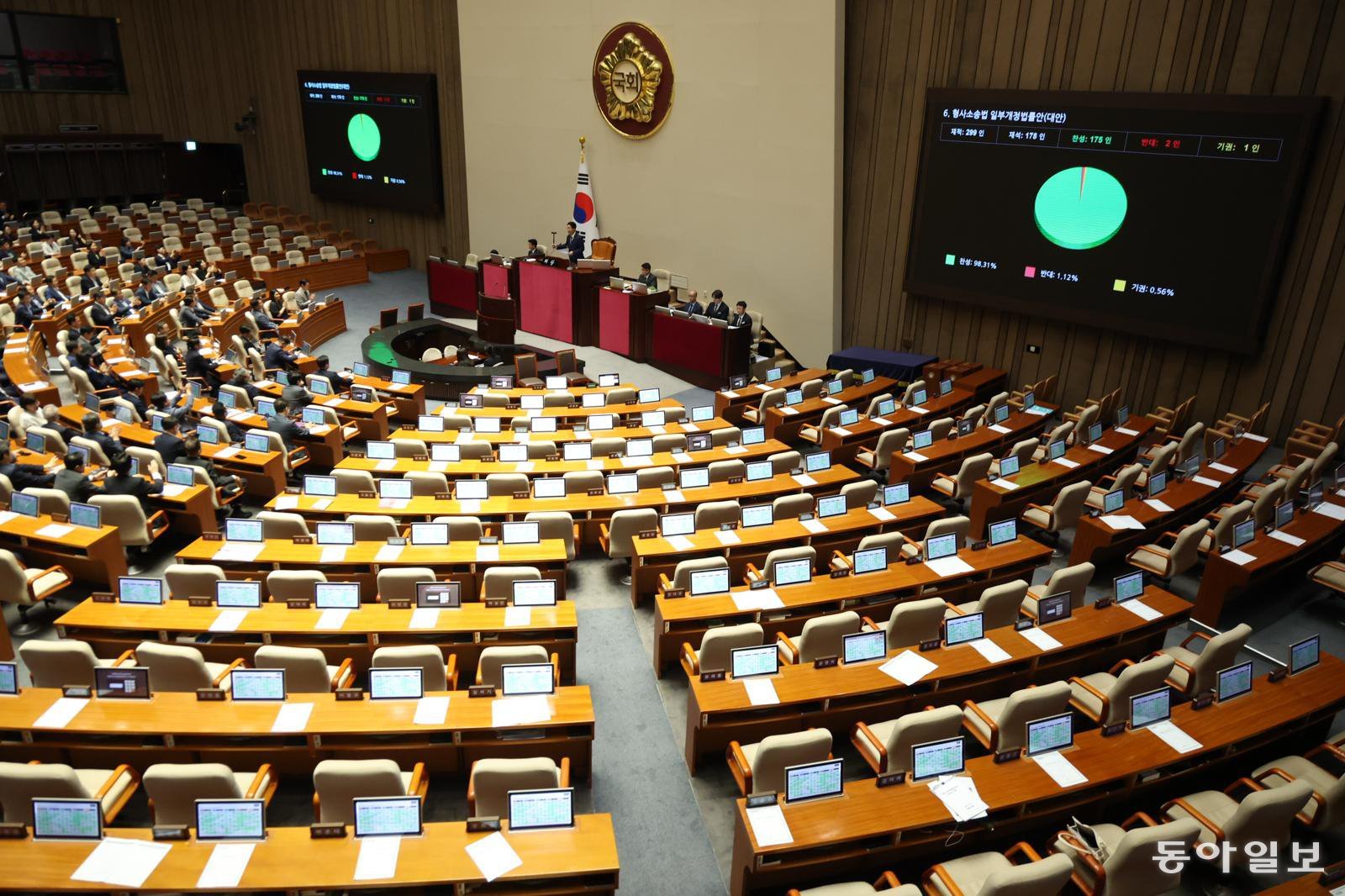
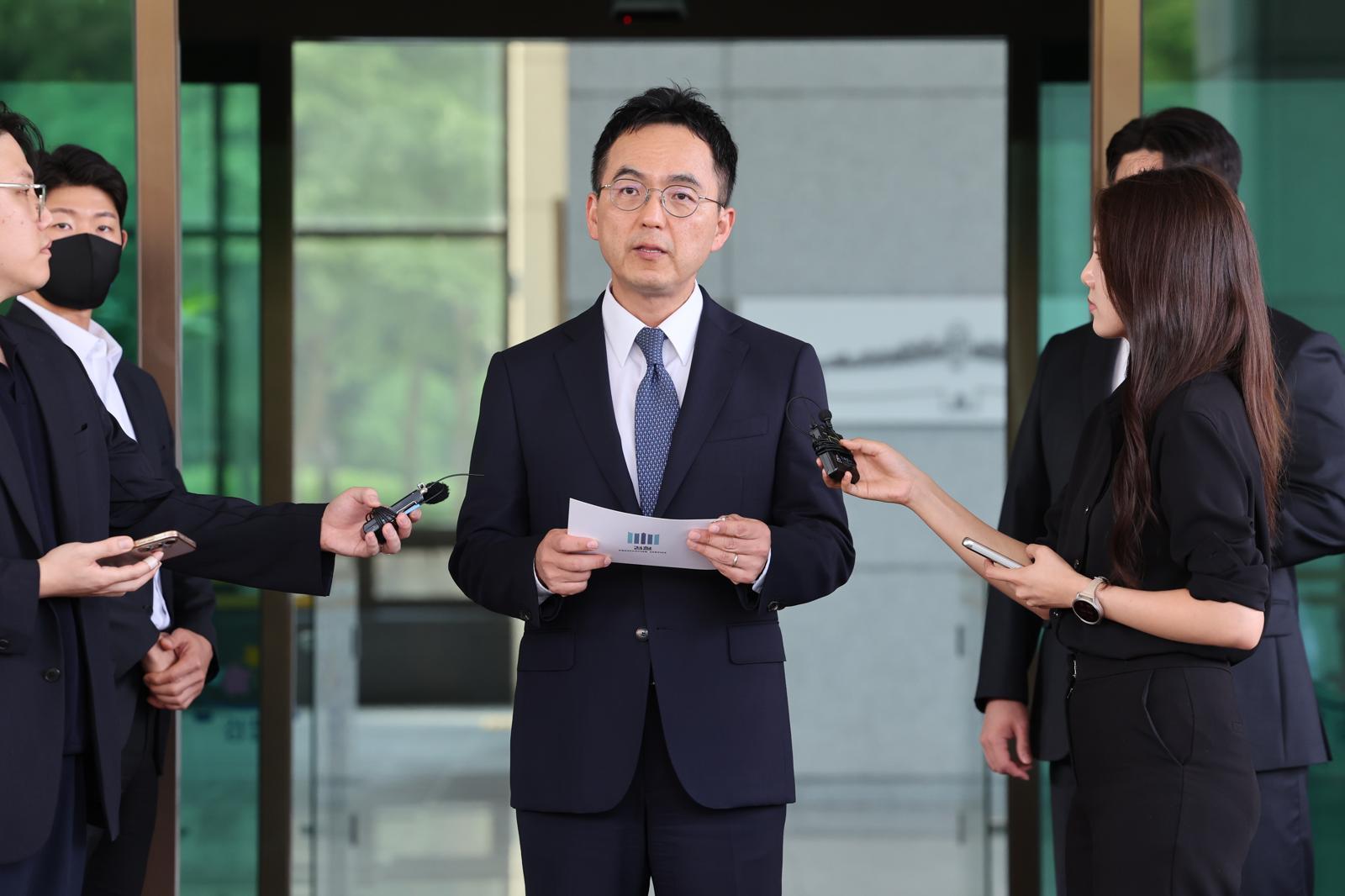
South Korea's National Assembly has passed a landmark bill that completely abolishes prosecutors' investigative powers, fundamentally restructuring the nation's criminal justice system. The amendment to the Code of Criminal Procedure, passed with 175 votes in favor, 2 against, and 1 abstention, will take effect on October 2nd, coinciding with the closure of the Prosecutor's Office. This reform effectively separates the functions of investigation and prosecution, a system that has been in place for 78 years. The ruling party spearheaded the bill's passage through the National Assembly, overcoming a filibuster by the main opposition People Power Party. However, the reform faced internal dissent, with two lawmakers from the ruling Democratic Party voting against or abstaining, citing concerns over the complete removal of investigative authority. The Justice Party's lawmaker also voted against it. The passage of this bill, alongside related legislation, marks a significant achievement for the 'prosecution reform' agenda pursued since the current administration's inception. The new framework will see investigations handled by the police, the Corruption Investigation Office for High-ranking Officials (CIO), and a new agency for serious crimes, while prosecutors will focus solely on indictment. The Presidential Office stated it respects the National Assembly's decision and will ensure a smooth implementation. However, concerns remain regarding potential delays in investigating civilian cases, protection of crime victims, and the reallocation of investigative resources. The People Power Party criticized the reform as a 'Jae-myung escape law' and urged the President to exercise his veto power. In response to the bill's passage, the acting Prosecutor General submitted his resignation, citing a sense of responsibility.
Prosecution reform is the essence of democracy.
DistantNews Editorial
Originally published by Dong-A Ilbo in Korean. Translated, summarized, and contextualized by our editorial team with added local perspective. Read our editorial standards.
More Stories

From Our Blog

What Gets Lost (and Found) When News Is Translated

The Critical Role of Diaspora Media in Global News

What Travellers Should Know About Countries with Restricted Press

A Digital Nomad's Guide to Following Local News

How the Same Story Looks Different in Different Countries
