

South Korea Advances Yongin Fab Launch Amid Intensifying Global Memory Chip Race
Translated from Korean, summarized and contextualized by DistantNews.
At a glance
News
Sources not specified
Context piece
- South Korea is accelerating the operation of its first fabrication plant in Yongin National Industrial Complex to secure new production capacity amid a global AI-driven memory chip shortage.
- The move is a strategic response to the "memory super cycle," where rapid construction of manufacturing facilities is key to capturing market demand.
- This expansion intensifies the global competition for semiconductor dominance, with major players like Micron and Chinese firms also announcing significant investments.
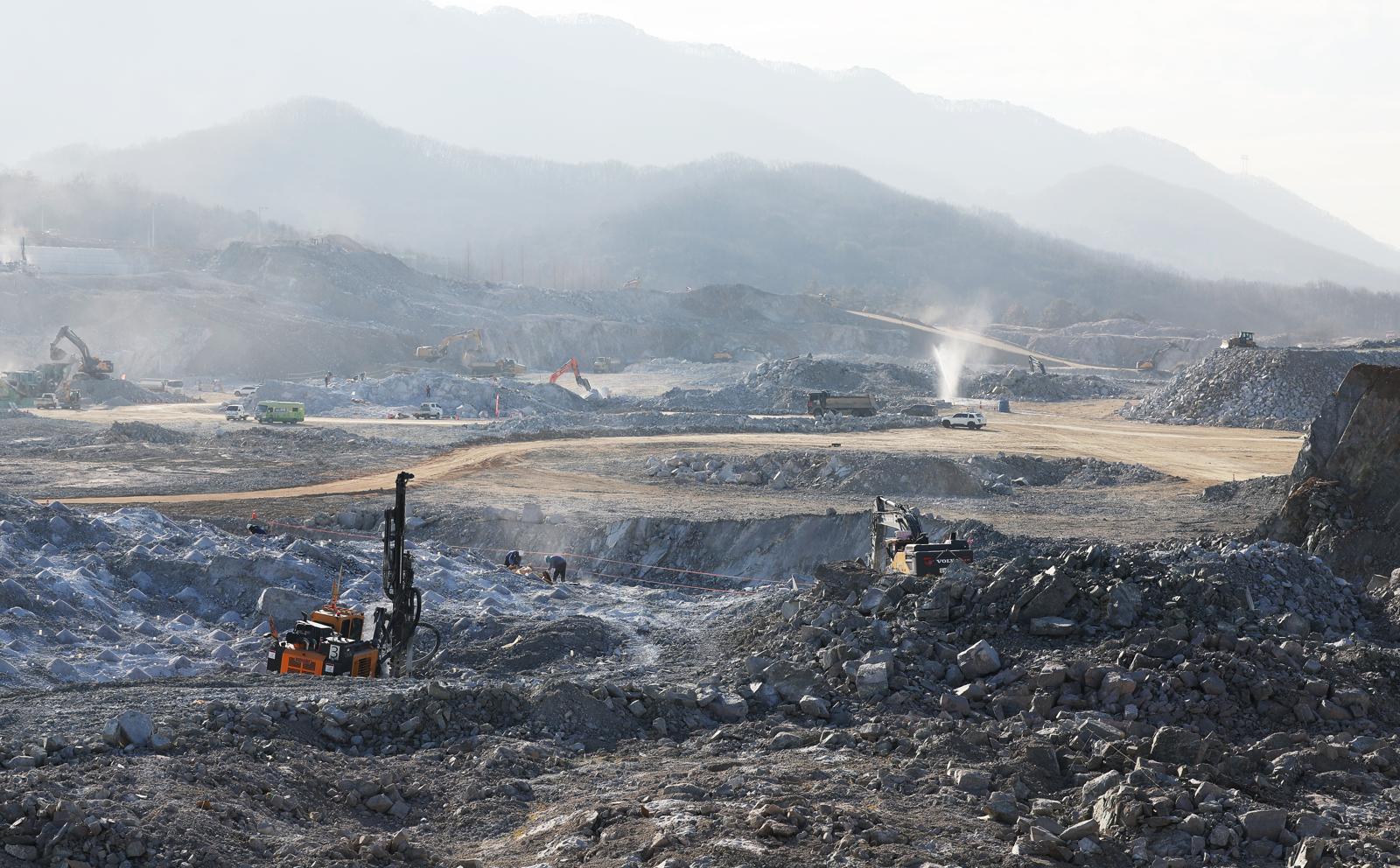
South Korea is accelerating the launch of its first fabrication plant within the Yongin National Industrial Complex, pushing its operational start-up to 2029, two years ahead of the original schedule. This decision, made by the government and Samsung Electronics, underscores the urgent need to secure new production bases and preemptively capture demand amidst a global memory chip shortage fueled by artificial intelligence.
The current market conditions have ushered in a "memory super cycle," making the rapid construction of factories the optimal strategy. The acceleration of the Yongin complex, initially anticipated to focus on system semiconductors (foundry), is now being considered for a mixed-use facility for both memory and foundry due to the current supply crunch. This strategic move aims to solidify South Korea's position in the global semiconductor supply chain.
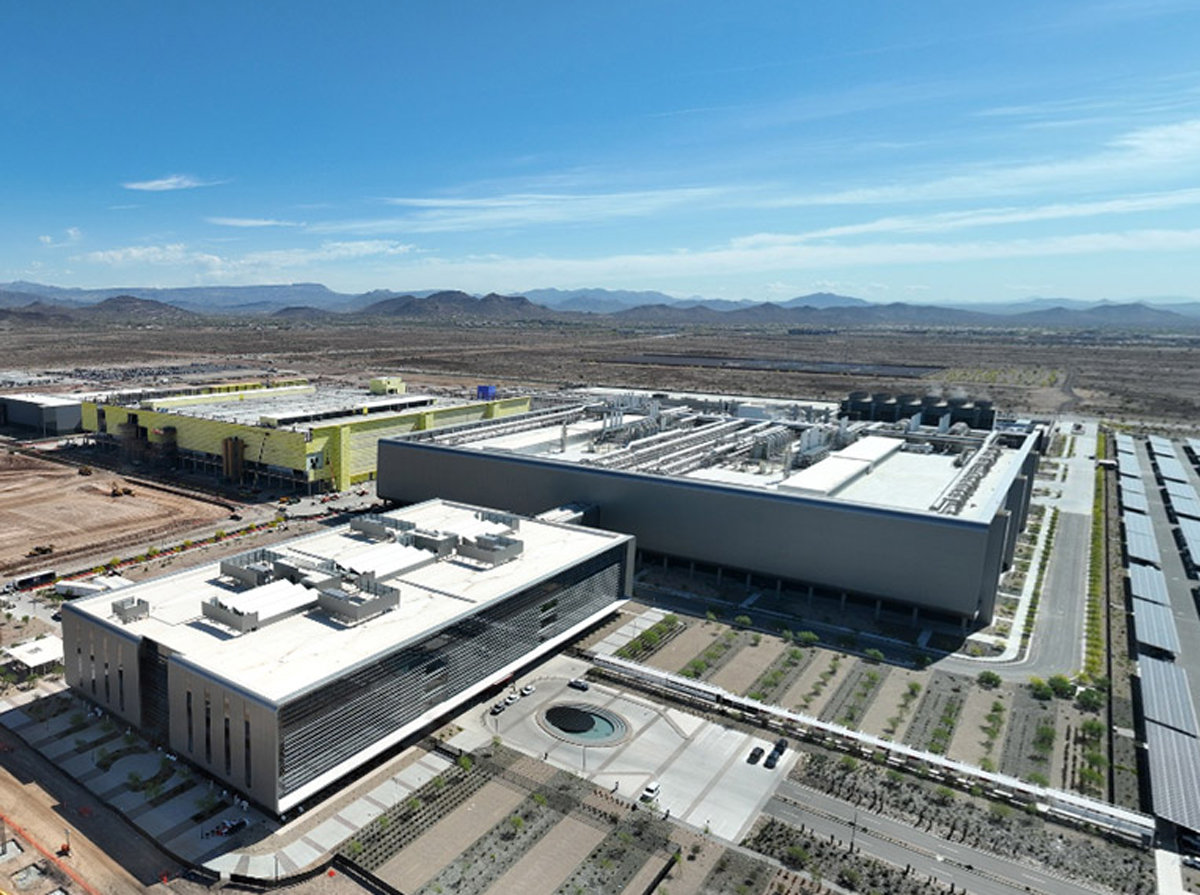
This domestic push occurs amid a fierce global competition for semiconductor supremacy. US-based Micron and rapidly advancing Chinese companies are also unveiling ambitious large-scale facility investment plans. The intensified race for global semiconductor dominance highlights the critical importance of securing production capacity quickly in the current market environment.
DistantNews Editorial
Originally published by Dong-A Ilbo in Korean. Translated, summarized, and contextualized by our editorial team with added local perspective. Read our editorial standards.
More Stories

From Our Blog

What Gets Lost (and Found) When News Is Translated

The Critical Role of Diaspora Media in Global News

What Travellers Should Know About Countries with Restricted Press

A Digital Nomad's Guide to Following Local News

How the Same Story Looks Different in Different Countries
