

South Korea battered by heavy rains, over 200 incidents reported
Translated from Korean, summarized and contextualized by DistantNews.
At a glance
News
Sources not specified
Ongoing story
- Heavy rainfall exceeding 140mm has caused widespread damage across South Korea, including flooded homes and roads.
- Over 200 incidents of damage have been reported, with residents evacuated due to landslide and retaining wall collapse risks.
- More rain is forecast, raising concerns about further damage and safety.
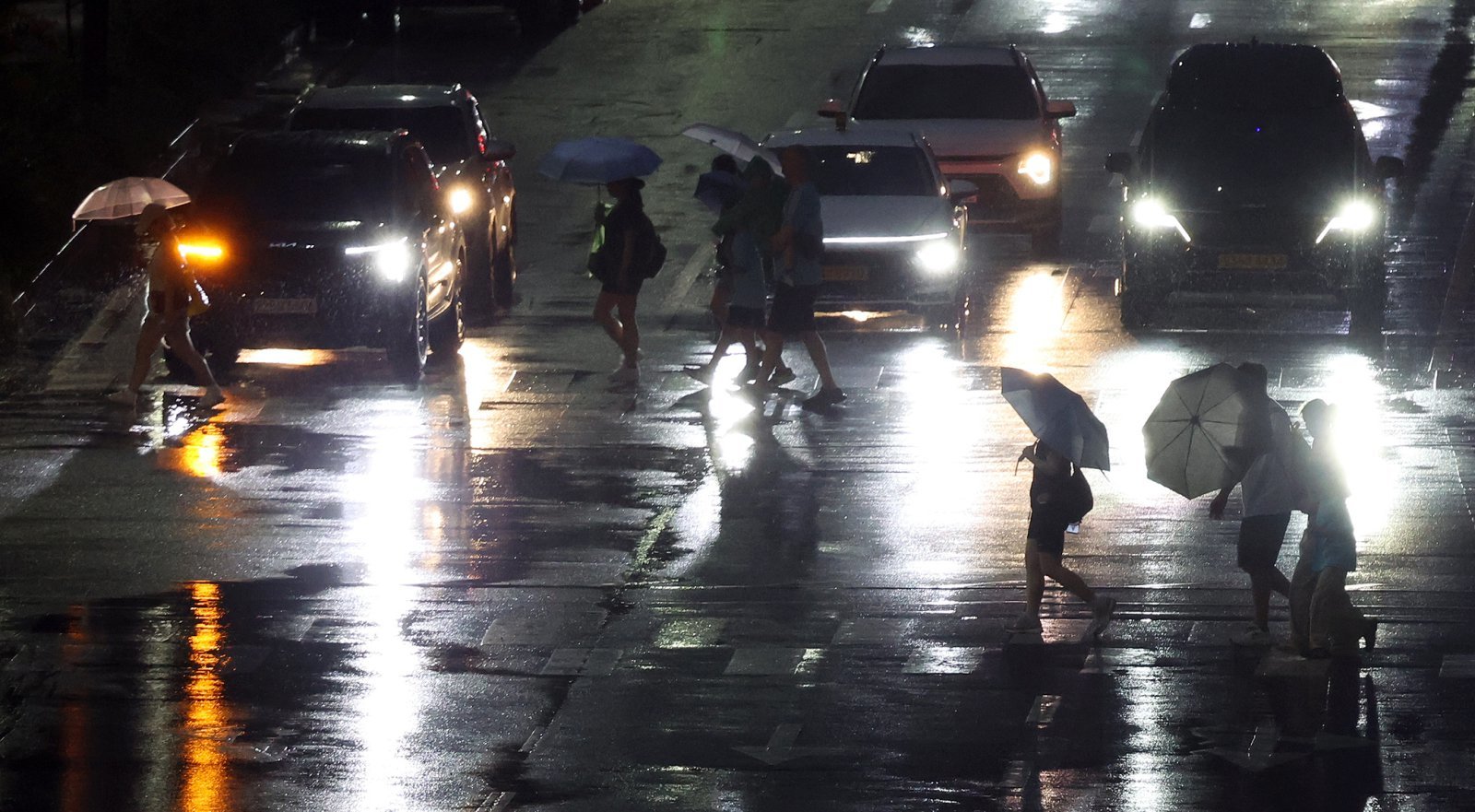
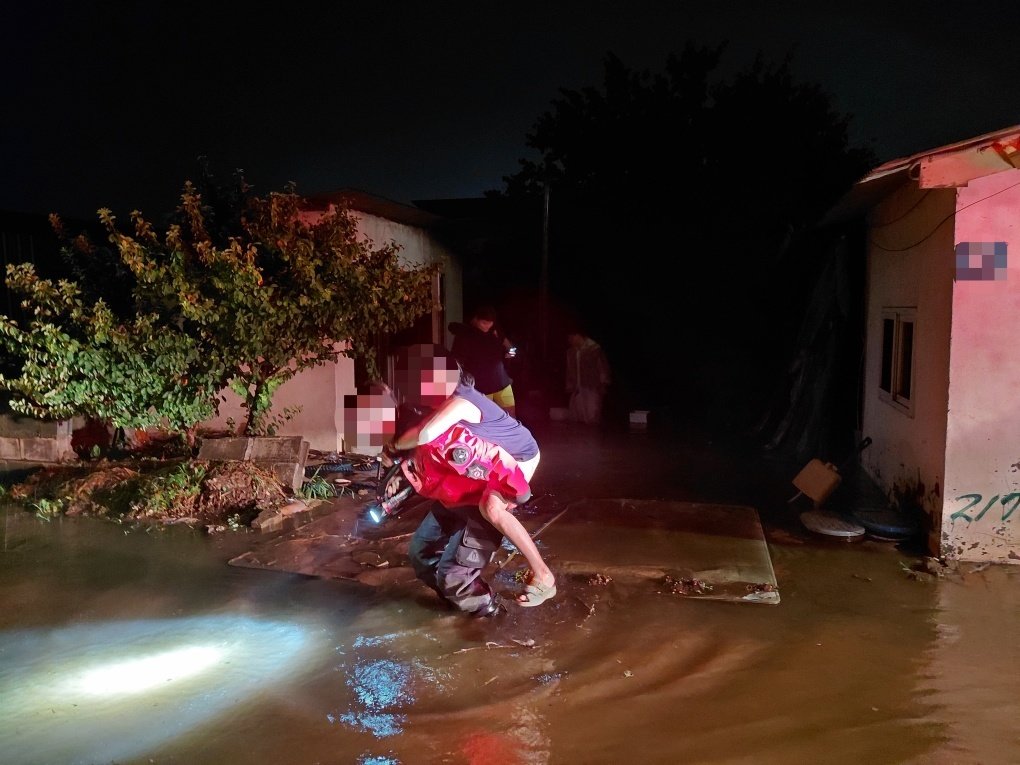
South Korea is grappling with severe flooding after heavy overnight rains deluged the country, with some areas receiving over 140mm of precipitation. The downpour has led to widespread damage, including submerged homes and roads, and the outflow of soil and rocks. Authorities have evacuated residents from areas at risk of landslides and retaining wall collapses.
The Meteorological Administration reported that as of 6 a.m. on July 18, cumulative rainfall reached 148.5mm in Gimpo, Gyeonggi Province, with Paju and Seoul's Gangseo district recording 138.0mm and 130.5mm, respectively. Some regions experienced intense rainfall, with hourly rates exceeding 70mm in Gimcheon, Gumi, and Seoul's Seodaemun district. Such intense rainfall can overwhelm drainage systems in low-lying areas.
By 5 a.m. on July 18, a total of 208 damage incidents were reported, including 186 cases of soil and rock outflow and 22 instances of home and road flooding. Fortunately, no casualties have been reported. Several roads, including national roads 31 and 37 in Gangwon and Paju, are closed due to rockfalls and flooding. A total of 23 people from 15 households in nine cities and counties across three provinces have been temporarily evacuated. While some have returned home, 17 people from 10 households remain evacuated.
The forecast indicates that heavy rain, with hourly rates of 20-80mm accompanied by gusts, thunder, and lightning, will continue through July 19 in central regions, Jeonbuk, and Gyeongbuk. The authorities are urging caution to prevent safety accidents.
DistantNews Editorial
Originally published by Dong-A Ilbo in Korean. Translated, summarized, and contextualized by our editorial team with added local perspective. Read our editorial standards.
More Stories


From Our Blog

What Gets Lost (and Found) When News Is Translated

The Critical Role of Diaspora Media in Global News

What Travellers Should Know About Countries with Restricted Press

A Digital Nomad's Guide to Following Local News

How the Same Story Looks Different in Different Countries
