


South Korea Braces for Sunday Traffic Despite 30-Degree Heat; Seoul-Bound Travel to Peak in Afternoon
Translated from Korean, summarized and contextualized by DistantNews.
At a glance
News
Sources not specified
Context piece
- South Korea expects a slight decrease in highway traffic on Sunday, despite temperatures reaching around 30 degrees Celsius (86 F).
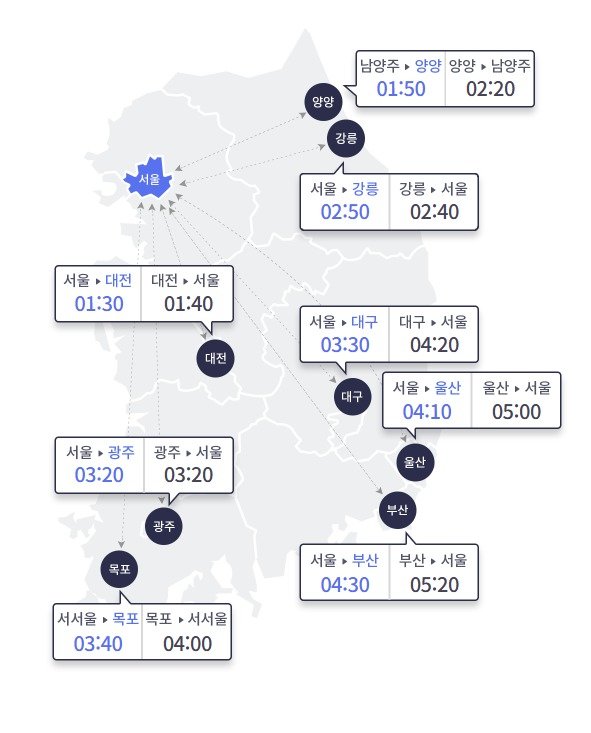
- Approximately 4.6 million vehicles are anticipated to use the highways nationwide, with 380,000 traveling from the Seoul metropolitan area to other regions and 440,000 heading towards Seoul.
- Traffic congestion is expected to peak between 4-5 p.m. for Seoul-bound traffic, with delays easing by 10 p.m.
South Korea anticipates a moderate decrease in highway traffic on Sunday, even as summer-like temperatures hover around 30 degrees Celsius (86 F). The Korea Expressway Corporation forecasts that approximately 4.6 million vehicles will travel the nation's highways throughout the day.
Travel patterns indicate a significant flow towards the capital, with an estimated 440,000 vehicles heading into the Seoul metropolitan area. Conversely, 380,000 vehicles are expected to depart from Seoul and its surrounding regions to other parts of the country. This directional traffic is typical for a Sunday as people return from weekend trips.
Congestion is predicted to intensify for vehicles traveling towards Seoul. The heaviest traffic is expected to begin around 10-11 a.m. and reach its peak between 4-5 p.m. Delays for those heading to the capital should gradually decrease, with most congestion expected to clear by around 10 p.m. Traffic heading away from Seoul is generally expected to flow more smoothly.
DistantNews Editorial
Originally published by Dong-A Ilbo in Korean. Translated, summarized, and contextualized by our editorial team with added local perspective. Read our editorial standards.
More Stories

From Our Blog

What Gets Lost (and Found) When News Is Translated

The Critical Role of Diaspora Media in Global News

What Travellers Should Know About Countries with Restricted Press

A Digital Nomad's Guide to Following Local News

How the Same Story Looks Different in Different Countries
