


South Korea considers joint aerial search with Nepal army for nine missing citizens
Translated from Korean and summarized by DistantNews. Read the original for the full story.
At a glance
News
Official statement
Ongoing story
- South Korea continues searching for nine citizens who lost contact after major flooding in Nepal’s Rasuwa region.
- The government is discussing a joint aerial search with the Nepalese army and is also considering additional drone operations.
- Authorities are checking the nationality of a body found in the Upper Trishuli-1 hydropower plant tunnel.
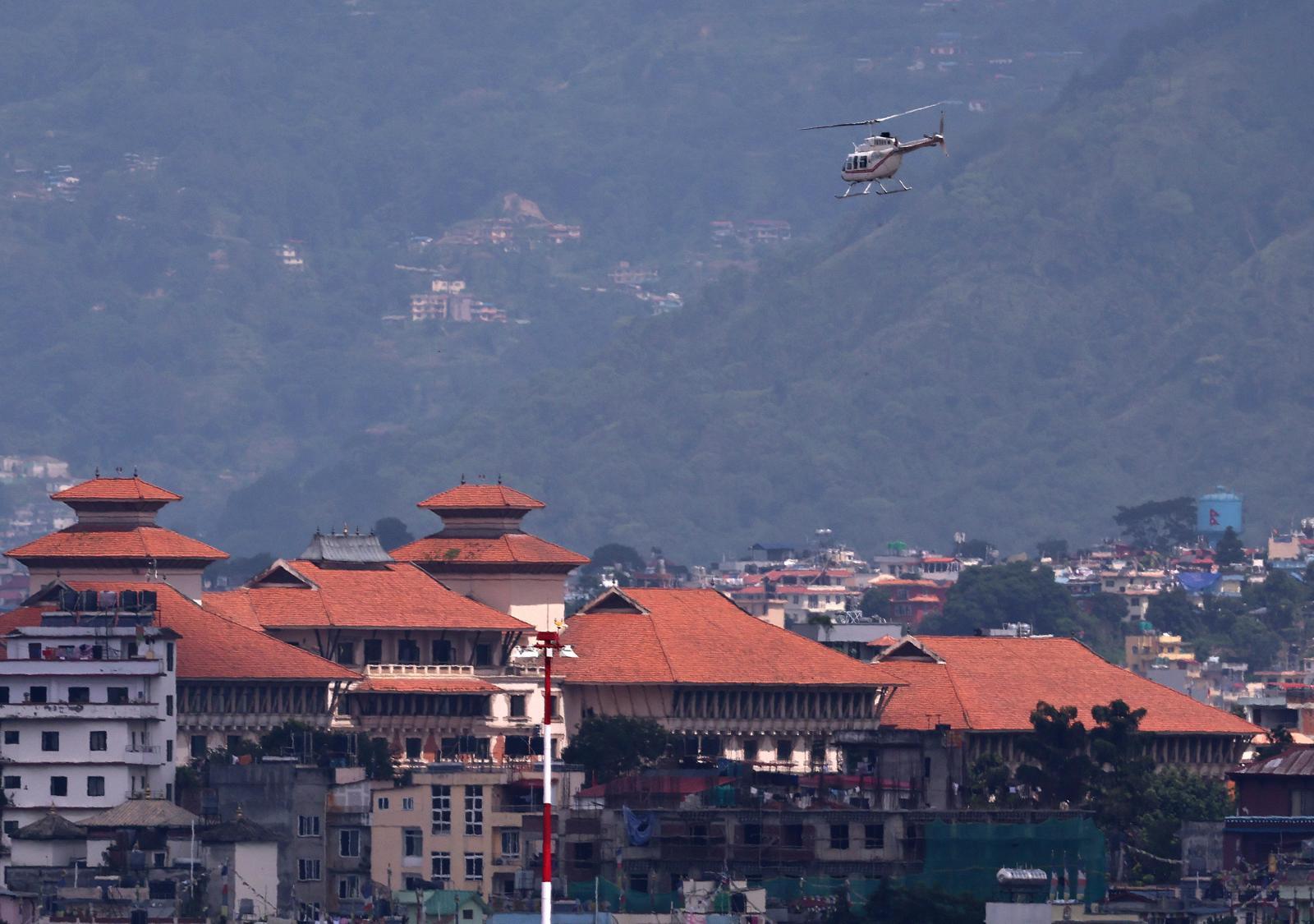
South Korean authorities are considering a joint aerial search with Nepal’s army for nine citizens who went missing after major flooding in Nepal’s Rasuwa region.
A South Korean foreign ministry official said discussions were under way with the Nepalese army. The government is also interviewing local officials and Nepalese survivors to determine the missing citizens’ last known location.
The South Korean rapid response team has made progress on the ground after coordinating with Nepalese military personnel. A team that had planned to establish a camp in northern Lamche, about 1.8 kilometers from the accident site, was able to reach the deeper area of Dhunche. The area lies about 2 kilometers northeast of the Weir Dam, where one of the missing South Koreans worked.
We are considering an aerial search jointly conducted by our National Fire Agency and the Nepalese army.
Officials are also considering a more extensive drone search around a hydropower plant camp and a temporary shelter housing 10 people who had previously been isolated and rescued. Drone flights require approval from Nepalese authorities, while difficult weather and steep mountain terrain have increased calls for precision aerial searches.
The nationality of a body recently found in a tunnel at the Upper Trishuli-1 power plant remains under verification by the Nepalese Embassy in South Korea. The site is also believed to be where nine employees of Doosan Enerbility and Korea Southern Power may have been located.
We are continuing to determine the final locations of the citizens who lost contact by conducting additional interviews with local officials and Nepalese survivors.
About this summary
Originally published by Hankyoreh in Korean. Translated, summarized, and contextualized automatically by DistantNews, with a note on how the source frames the story. Not individually reviewed before publishing. How this works.
More Stories


From Our Blog

What Gets Lost (and Found) When News Is Translated

The Critical Role of Diaspora Media in Global News

What Travellers Should Know About Countries with Restricted Press

A Digital Nomad's Guide to Following Local News

How the Same Story Looks Different in Different Countries
