


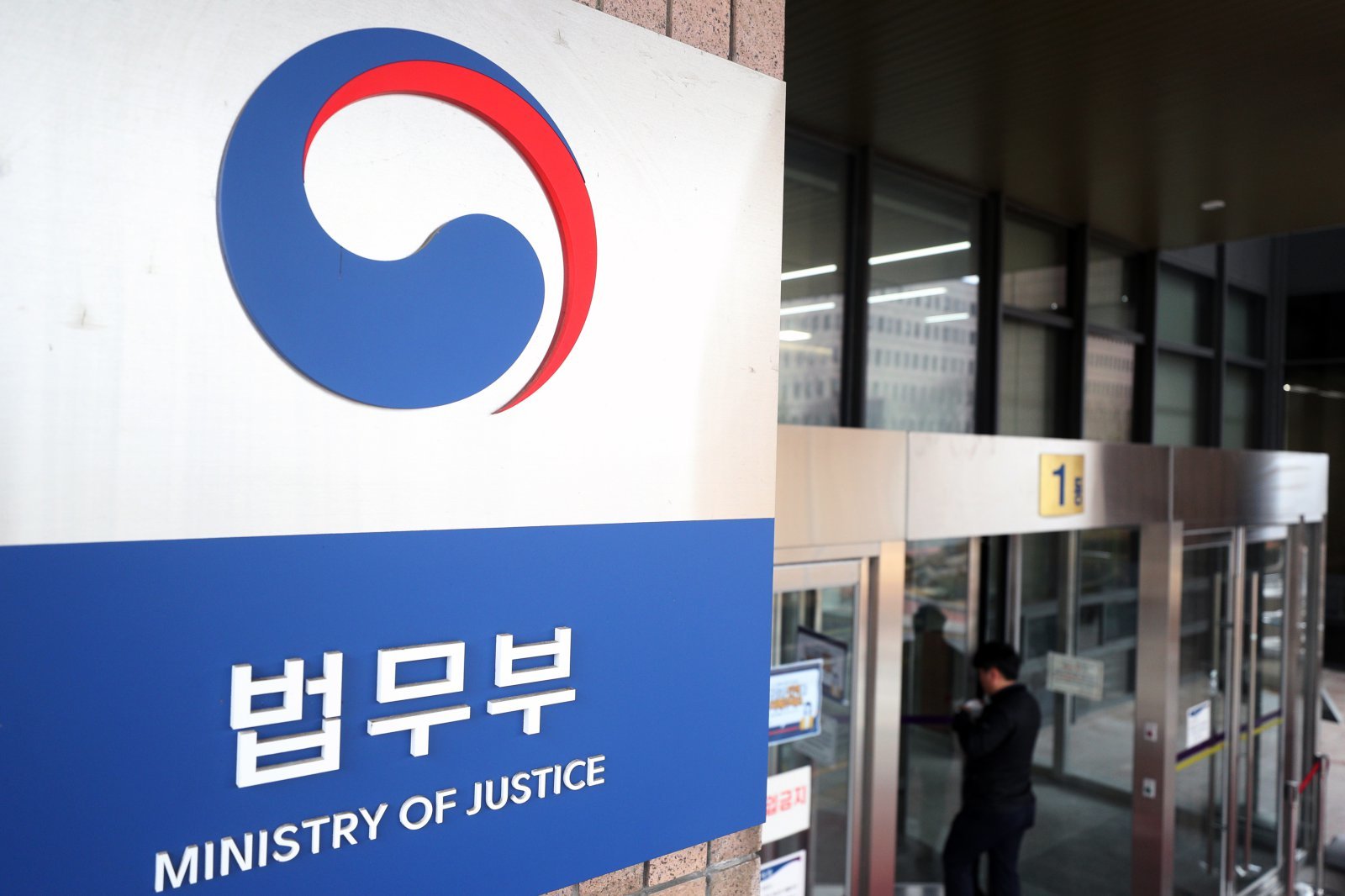
South Korea considers narrowing defamation law to protect privacy
Translated from Korean, summarized and contextualized by DistantNews.
At a glance
News
Named sources
New plan
- A South Korean advisory committee recommended amending defamation laws to punish only cases involving "serious invasion of privacy."
- The proposed change aims to reduce excessive punishment and protect freedom of expression, as current laws are criticized for being too broad.
- The committee noted that defamation laws in South Korea are stricter than in many Western countries and are frequently invoked, leading to concerns about chilling legitimate criticism.
South Korea's defamation law, specifically concerning "factual defamation," may soon see significant changes. An advisory committee under the Ministry of Justice has proposed amending the law to punish such cases only when they involve a "serious invasion of privacy."
The committee's recommendation aims to narrow the scope of the law, addressing long-standing criticisms that it excessively restricts freedom of expression. Recent controversial cases, such as the public disclosure of parents who failed to pay child support and a worker protesting an employer's wage theft, have highlighted the law's broad application.
President Lee Jae-myung previously ordered a review of the law's abolition last November, citing similar concerns. However, completely eliminating the law could leave individuals vulnerable to the indiscriminate disclosure of private information, such as health details or sexual orientation, by certain online content creators.
The Constitutional Court has previously upheld the law, stating its abolition could lead to a "serious invasion of privacy and freedom." The committee's decision to restrict, rather than abolish, the law reflects this concern. The current law is notably stricter than those in countries like Germany and France, which primarily punish defamation based on false statements, and the United States, where defamation is largely handled through civil litigation. In South Korea, approximately 1,500 cases of factual defamation were prosecuted in 2024 alone, raising fears that even reasonable criticism based on facts could be stifled.
DistantNews Editorial
Originally published by Dong-A Ilbo in Korean. Translated, summarized, and contextualized by our editorial team with added local perspective. Read our editorial standards.
More Stories



From Our Blog

What Gets Lost (and Found) When News Is Translated

The Critical Role of Diaspora Media in Global News

What Travellers Should Know About Countries with Restricted Press

A Digital Nomad's Guide to Following Local News

How the Same Story Looks Different in Different Countries
