


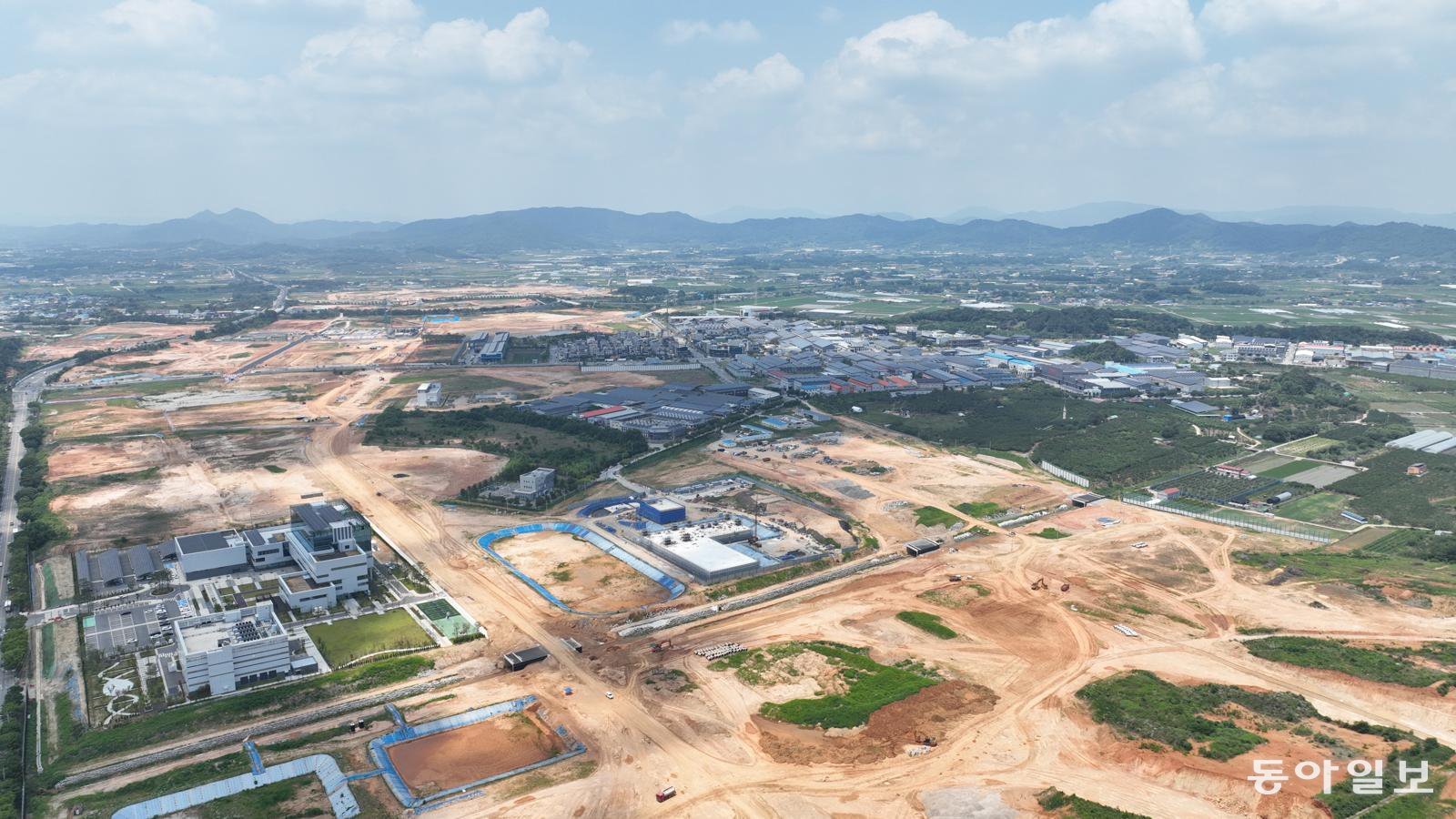
South Korea Considers Relaxing Work Hour Rules for Semiconductor R&D Staff in Mega Special Zone
Translated from Korean, summarized and contextualized by DistantNews.
At a glance
Analysis
Sources not specified
Ongoing story
- The South Korean government is considering easing the 52-hour work week for R&D personnel in the semiconductor cluster planned for the Jeonnam-Gwangju region.
- This move is part of designating the area as a "mega special zone" to overcome complex regulations and boost the semiconductor industry.
- The proposal aims to provide regulatory flexibility, similar to systems in the US, Japan, and Taiwan, to support the semiconductor sector's long-standing demand for flexible working hours for new technology development.
South Korea's government is exploring the possibility of relaxing the 52-hour work week for research and development (R&D) personnel within the semiconductor cluster slated for the Jeonnam-Gwangju region. This initiative is a key component of plans to designate the area as a "mega special zone," aimed at significantly easing complex regulations and fostering growth in the semiconductor industry.
The special zone is intended to provide exceptional regulatory relief, including exemptions from working hour limits, overtime, night work, and holiday work regulations for specialized personnel employed by companies within the zone. This legislative flexibility is a long-standing aspiration for the semiconductor industry, which argues that developing cutting-edge technologies requires concentrated efforts over short periods.
This proposed regulatory flexibility mirrors systems in other leading semiconductor nations. The United States employs a "white-collar exemption" that does not impose upper limits on working hours for high-earning professionals and researchers. Japan has implemented a similar "highly professional system," while Taiwan permits extended working hours upon agreement between labor and management.
Discussions regarding exceptions for R&D personnel were previously held during the legislative process for the Semiconductor Special Act in January. However, these considerations faced opposition from labor groups and concerns about potential disparities with other industries. The current review signals a renewed effort to address the industry's demands for greater operational agility in a highly competitive global market.
DistantNews Editorial
Originally published by Dong-A Ilbo in Korean. Translated, summarized, and contextualized by our editorial team with added local perspective. Read our editorial standards.
More Stories


From Our Blog

What Gets Lost (and Found) When News Is Translated

The Critical Role of Diaspora Media in Global News

What Travellers Should Know About Countries with Restricted Press

A Digital Nomad's Guide to Following Local News

How the Same Story Looks Different in Different Countries
