


South Korea Considers Selective Conscription Amid Demographic and Tech Shifts
Translated from Korean, summarized and contextualized by DistantNews.
At a glance
Analysis
Sources not specified
Context piece
- South Korean President Lee Jae-myung reiterated his proposal for a selective conscription system, aiming to minimize mandatory conscription and increase voluntary enlistment for technical roles.
- The proposal addresses declining youth populations and the need for a military adapted to advanced technology, with the Ministry of National Defense planning to increase the proportion of non-commissioned officers.
- The article discusses the potential for this system to create job training opportunities and public sector jobs, while also considering criticisms regarding social equity and the need for careful design to avoid economic coercion.
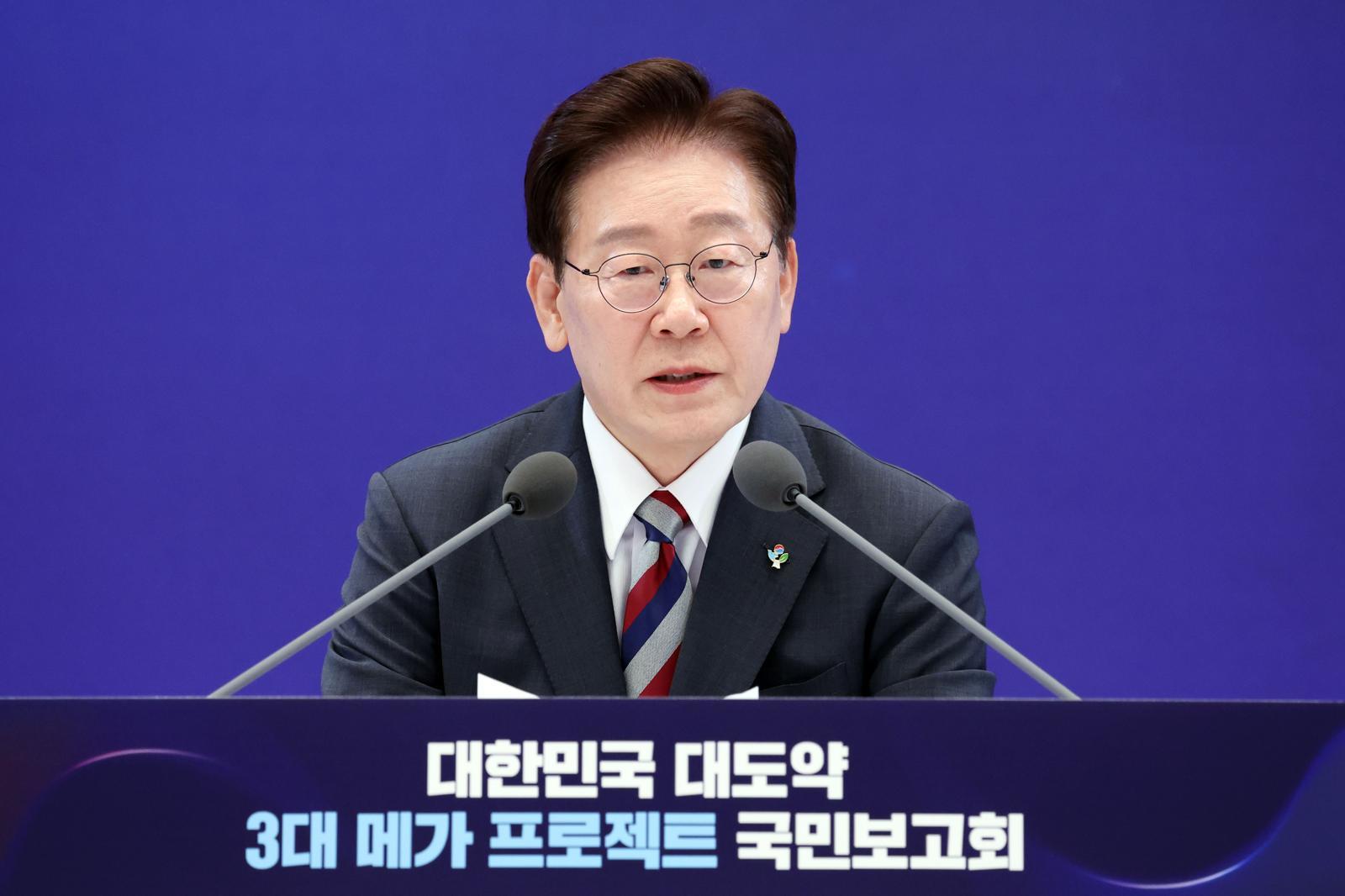
South Korean President Lee Jae-myung has once again emphasized his vision for a selective conscription system, proposing a military structure that prioritizes voluntary enlistment for technical roles over mandatory conscription. This initiative, a re-emergence of a 2022 campaign promise, aims to address two critical challenges: a shrinking pool of young men eligible for military service due to demographic shifts and the imperative to modernize the armed forces for an era of advanced technology.
We will minimize conscripts and change the military so that it can be chosen as one's own job through recruitment.
The Ministry of National Defense has outlined a plan to maintain a force of 500,000 by 2040, significantly increasing the ratio of officers and non-commissioned officers from 40% to 63%. The president's proposal appears to be a multi-faceted strategy, seeking to adapt to demographic realities, meet defense modernization needs, and simultaneously offer vocational training and quality public employment opportunities to young people.
In a landscape where reports highlight job scarcity for youth due to AI-driven industrial changes, the creation of diverse employment and training avenues is a pressing national concern. While private initiatives like the 'K-New Deal Academy' focus on job training, the Ministry of National Defense's 'technology-intensive non-commissioned officer' program could offer a public alternative. The success of such programs hinges on meticulous design, considering perspectives from national defense, youth rights, and the linkage to civilian job markets during industrial transitions.
The 'selection' in selective conscription could become a choice effectively forced by poverty.
Criticism has been raised, notably by former lawmaker Yoo Seong-min, who argues that a selective conscription system could exacerbate social inequalities. He posits that economic hardship might compel some young men into longer service terms, effectively creating a "military conscription based on economic status" and potentially causing them to fall behind their peers. However, the article suggests that the government's current plan might be designed to mitigate this very risk. Data from the U.S. military indicates that enlistment biases are more influenced by eligibility criteria, such as education, health, and drug use, than by economic background alone, as lower socioeconomic status often correlates with these disqualifying factors. This suggests that South Korea's 'technology-intensive non-commissioned officer' program should be designed not just for already qualified youth, but as a pathway for those seeking to gain qualifications, offering robust vocational training and certification that bridges military skills to civilian careers.
The 'choice' in selective conscription could become a choice effectively forced by poverty.
DistantNews Editorial
Originally published by Hankyoreh in Korean. Translated, summarized, and contextualized by our editorial team with added local perspective. Read our editorial standards.
More Stories



From Our Blog

What Gets Lost (and Found) When News Is Translated

The Critical Role of Diaspora Media in Global News

What Travellers Should Know About Countries with Restricted Press

A Digital Nomad's Guide to Following Local News

How the Same Story Looks Different in Different Countries
