


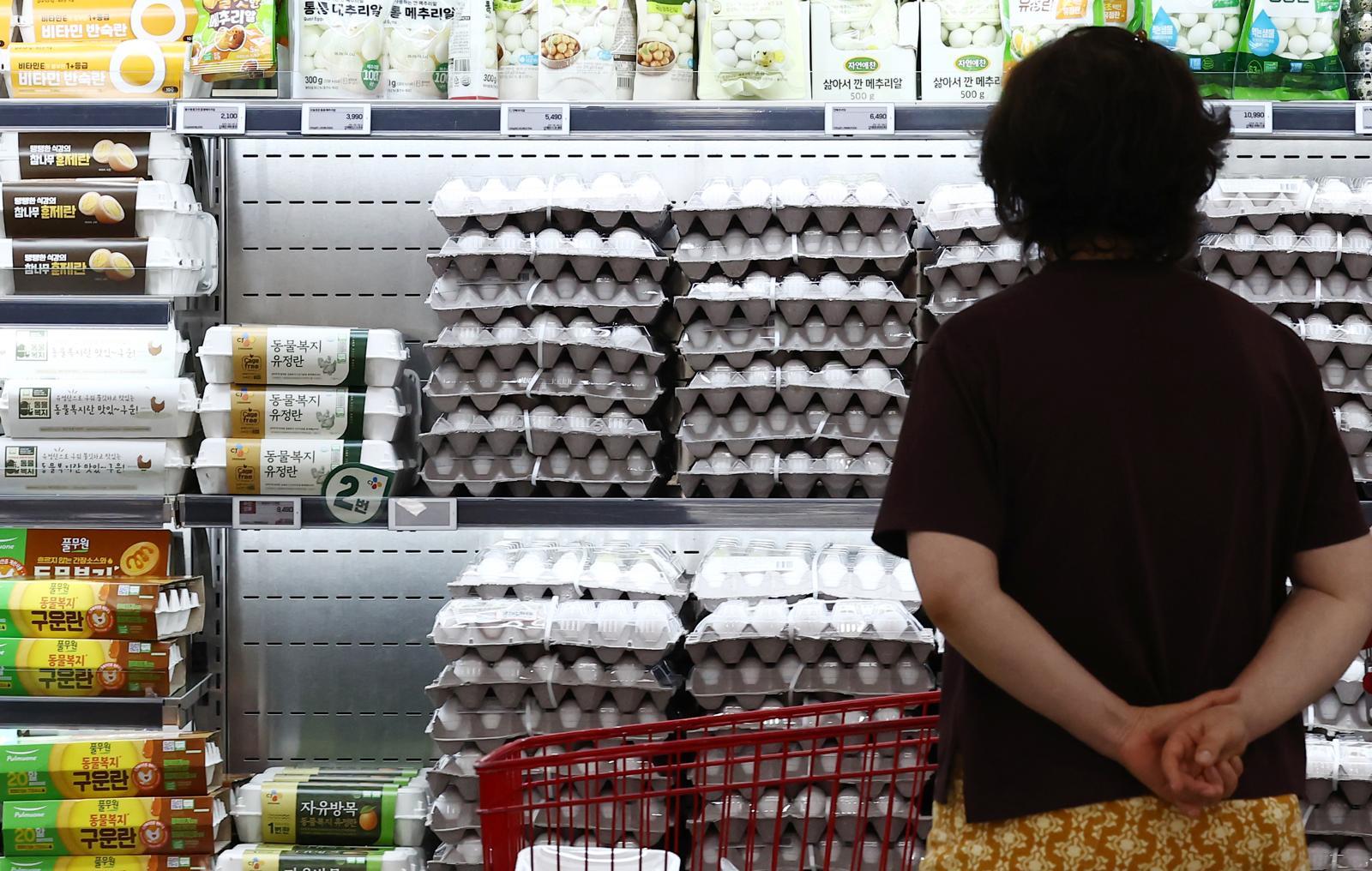
South Korea consumer prices surge 3.2% in June, highest in 2.5 years
Translated from Korean, summarized and contextualized by DistantNews.
At a glance
News
Official statement
Context piece
- South Korea's consumer price index rose 3.2% year-on-year in June, marking the largest increase in two and a half years.
- Rising international oil prices due to Middle East conflicts and increased costs for agricultural, livestock, and fishery products contributed to the surge.
- The government aims to keep inflation below 3%, but high exchange rates are expected to maintain upward pressure on prices in the latter half of the year.
South Korea experienced a significant jump in consumer prices in June, with the consumer price index (CPI) rising 3.2% compared to the previous year. This marks the sharpest increase recorded in approximately two and a half years, underscoring growing inflationary pressures within the economy.
The surge in prices is attributed to a confluence of factors, notably the sustained impact of rising international oil prices stemming from ongoing conflicts in the Middle East. Additionally, the cost of essential goods, including agricultural, livestock, and fishery products, has also climbed, further contributing to the overall inflation rate.
Despite the government's commitment to managing inflation and keeping the annual increase below 3%, persistent challenges loom. The depreciation of the Korean won against major currencies, leading to high exchange rates, is expected to intensify price pressures in the second half of the year. This presents a complex economic outlook, as the nation grapples with imported inflation and currency fluctuations.
DistantNews Editorial
Originally published by Dong-A Ilbo in Korean. Translated, summarized, and contextualized by our editorial team with added local perspective. Read our editorial standards.
More Stories



From Our Blog

What Gets Lost (and Found) When News Is Translated

The Critical Role of Diaspora Media in Global News

What Travellers Should Know About Countries with Restricted Press

A Digital Nomad's Guide to Following Local News

How the Same Story Looks Different in Different Countries
