


South Korea Debates Abortion Pill Access Amid Legal Gaps
Translated from Korean, summarized and contextualized by DistantNews.
At a glance
News
Named sources
Ongoing story
- South Korea is considering allowing the use of mifepristone, an abortion pill, before a legal revision is complete.
- The Ministry of Gender Equality and Family supports the move, but concerns exist regarding potential negative impacts on medical professionals and patients.
- The discussion follows President Lee Jae-myung's call to address the issue, with legislative proposals currently stalled in parliament.
South Korea is actively discussing the potential legalization of mifepristone, an oral medication used for early-term abortions, even before a formal legal revision is finalized. This move is gaining momentum following President Lee Jae-myung's recent statement advocating for its accessibility.
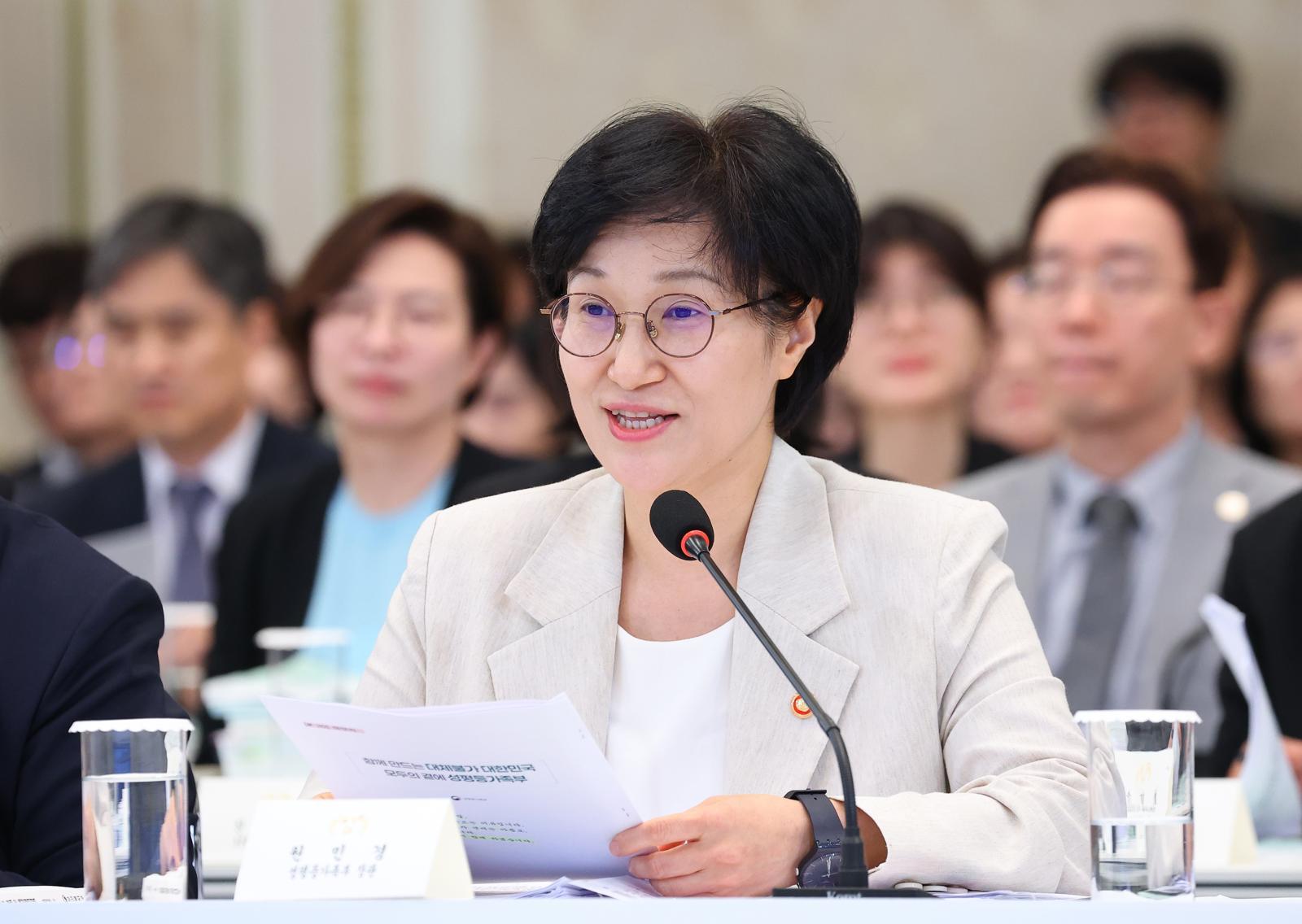
The Ministry of Gender Equality and Family, along with women's rights groups, has welcomed the discussion. The ministry is coordinating with other relevant government bodies, including the Ministry of Health and Welfare and the Ministry of Food and Drug Safety, to establish guidelines for the drug's use. The Ministry of Gender Equality and Family would focus on communication with women's groups, while health authorities would handle medical aspects.
We need to prepare a plan for its introduction even before the law is revised.
Mifepristone is currently approved in over 100 countries, including France. The debate in South Korea intensified after the Constitutional Court ruled in 2019 that the existing abortion law was unconstitutional, creating a legislative vacuum. While several legislative proposals to allow medication-induced abortions have been introduced in the National Assembly, they remain stalled.
It seems unreasonable to leave this as it is, as women who realistically need it are taking it through overseas direct purchases, leading to accidents.
President Lee emphasized the need to address the issue, noting that women seeking the medication are resorting to overseas purchases, leading to potential safety risks. He suggested that doctors could be granted discretion in prescribing the drug even without a full legal revision, if legally feasible.
However, concerns have been raised by medical professionals. One expert warned that allowing the drug's introduction without a clear legal framework and guidelines could place undue responsibility on doctors and potentially harm patients. Women's rights groups, while supporting the drug's availability, have stressed that the ultimate decision-making power should rest with the individual woman, not be subject to a doctor's discretion alone.
Without revising the law, attempting to introduce the drug could shift the responsibility solely to doctors, and patients could suffer significant harm due to the lack of guidelines.
DistantNews Editorial
Originally published by Dong-A Ilbo in Korean. Translated, summarized, and contextualized by our editorial team with added local perspective. Read our editorial standards.
More Stories



From Our Blog

What Gets Lost (and Found) When News Is Translated

The Critical Role of Diaspora Media in Global News

What Travellers Should Know About Countries with Restricted Press

A Digital Nomad's Guide to Following Local News

How the Same Story Looks Different in Different Countries
