

South Korea disbands Defense Counterintelligence Command after 49 years
Translated from Korean, summarized and contextualized by DistantNews.
At a glance
News
Named sources
New plan
- South Korea's Defense Counterintelligence Command (DCC) will be disbanded after 49 years, with its functions redistributed.
- Key missions, including counter-espionage intelligence, security investigations, and security audits, will be transferred to new or existing units.
- The reform aims to prevent military intelligence agencies from interfering in politics and reduce the DCC's personnel and authority.
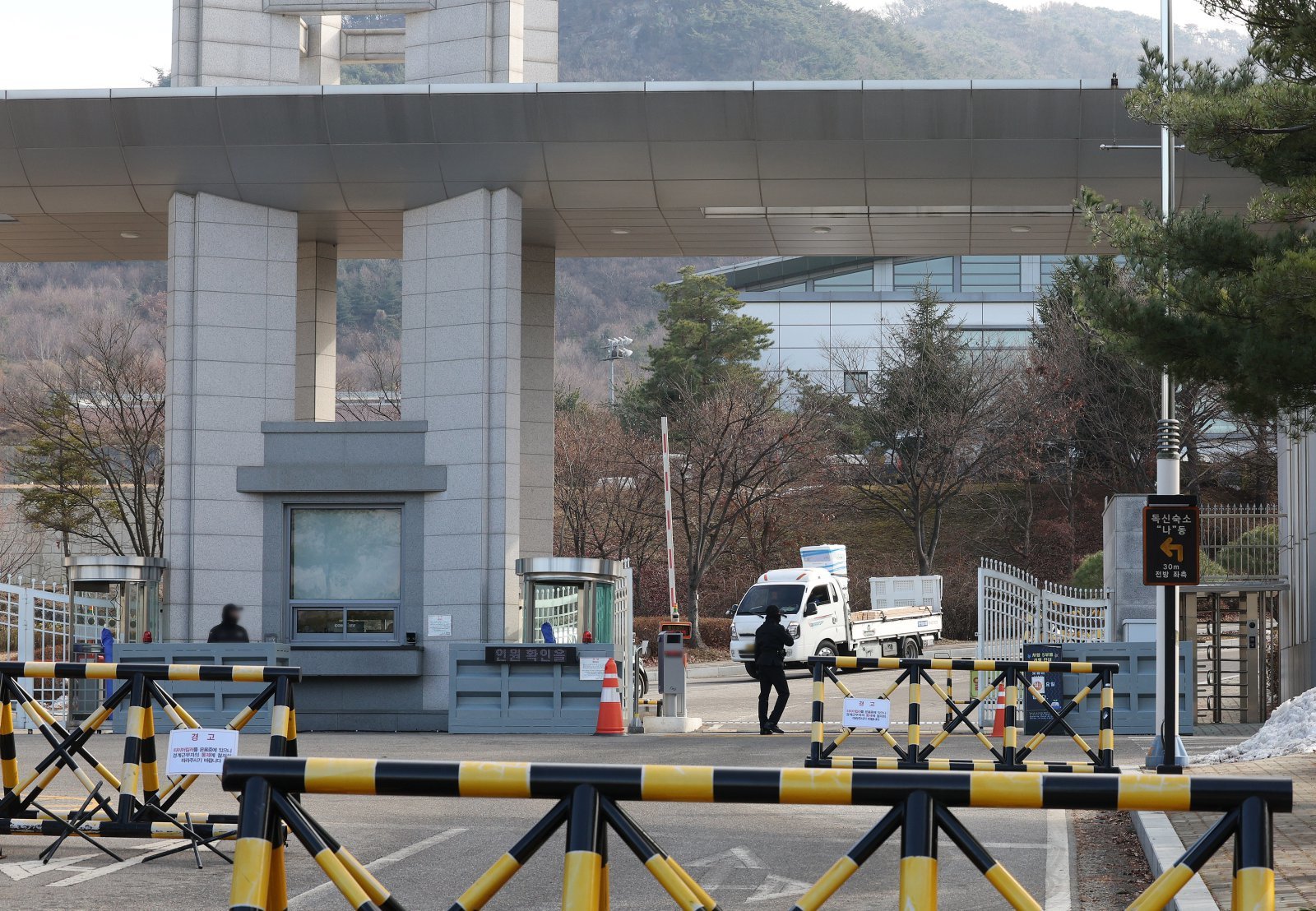
South Korea's Defense Counterintelligence Command (DCC), a unit established during a period of martial law, will be disbanded after 49 years of operation. The decision, announced by Defense Minister Ahn Kyu-baek, involves redistributing its core functions to new and existing entities, significantly reducing its personnel and authority.
This reform will be a historic turning point in restructuring the organization and mission to ensure that military intelligence agencies can never intervene in politics again, building a 'people's army.'
The reform plan, largely reflecting recommendations from a special advisory committee, will see the DCC's counter-espionage intelligence mission transferred to a newly established 'Defense Counterintelligence Headquarters.' While the committee initially proposed a 'National Defense Intelligence Agency' staffed by civilians, the ministry opted for the new name to better reflect the mission's nature. However, the head of this new headquarters will be a serving general, considering the specialized nature of counterintelligence work.
Other key functions, such as security investigations and audits, will be reassigned. The security investigation role, including joint investigation rights during martial law, will move to the Ministry of National Defense's Investigation Headquarters. Security audits will be handled by a new 'Defense Security Support Group.' The DCC's authority, which had drawn criticism for being overly broad, particularly in areas like trend monitoring, personnel intelligence, and public sentiment gathering, will be entirely abolished as per the committee's recommendations.
It will be difficult for Defense Counterintelligence Command's security investigation personnel to adapt to the Investigation Headquarters, which specializes in 'short-term' investigations like theft or assault.
Defense Minister Ahn stated that this restructuring is a historic turning point aimed at preventing military intelligence agencies from ever intervening in politics again, fostering a 'people's army.' However, concerns have been raised about potential side effects. Some military officials worry that separating intelligence gathering from investigation could delay responses, and that DCC personnel may struggle to adapt to the investigation headquarters' focus on more immediate cases like theft or assault. There is also a risk of a significant number of DCC personnel leaving the service if they are not adequately reassigned after the reorganization.
A significant number of Defense Counterintelligence Command personnel may lead to mass resignations if they are not properly assigned to new positions after returning to their original units.
DistantNews Editorial
Originally published by Dong-A Ilbo in Korean. Translated, summarized, and contextualized by our editorial team with added local perspective. Read our editorial standards.
More Stories

From Our Blog

What Gets Lost (and Found) When News Is Translated

The Critical Role of Diaspora Media in Global News

What Travellers Should Know About Countries with Restricted Press

A Digital Nomad's Guide to Following Local News

How the Same Story Looks Different in Different Countries
