

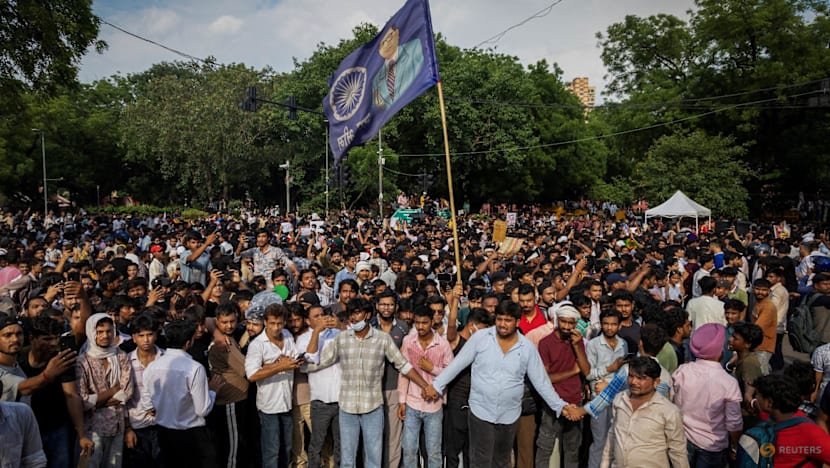

South Korea Election Office Raided in Probe Over Fake Turnout Figures
Translated from English, summarized and contextualized by DistantNews.
At a glance
News
Sources not specified
Under investigation
- South Korean investigators raided the National Election Commission (NEC) on Thursday over alleged falsification of voter turnout figures.
- The probe stems from irregularities during the June local elections, which saw unprecedented ballot paper shortages at numerous polling stations.
- The controversy led to the resignation of NEC chief Roh Tae-ak and calls for an election rerun.
South Korean investigators have raided the offices of the National Election Commission (NEC) as part of an ongoing probe into allegations that officials falsified voter turnout figures during the June local elections. A spokesperson confirmed the searches and seizures on Thursday, indicating that evidence suggests officials from the NEC and the Gyeonggi Provincial Election Commission may have entered inaccurate turnout data.
The investigation is focusing on irregularities that occurred during the nationwide vote on June 3, the first local elections since President Lee Jae Myung took office last year. The elections were marred by unprecedented ballot paper shortages at dozens of polling stations across the country, sparking public outcry and demands for a new election.
In response to the controversy, NEC chief Roh Tae-ak resigned from his post. The ongoing investigation aims to uncover the extent of the alleged falsification and hold those responsible accountable. The special team of police and prosecutors involved in the raid are conducting searches and seizures of relevant documents and electronic data to gather evidence.
We have found indications that officials from the National Election Commission and the Gyeonggi Provincial Election Commission entered false voter turnout figures during the local elections, and are also conducting searches and seizures of those involved
DistantNews Editorial
Originally published by CNA in English. Translated, summarized, and contextualized by our editorial team with added local perspective. Read our editorial standards.
More Stories

From Our Blog

What Gets Lost (and Found) When News Is Translated

The Critical Role of Diaspora Media in Global News

What Travellers Should Know About Countries with Restricted Press

A Digital Nomad's Guide to Following Local News

How the Same Story Looks Different in Different Countries
