


South Korea Empowers Data Transfer Rights, Shifting from Scraping to User Control
Translated from Korean, summarized and contextualized by DistantNews.
At a glance
News
Sources not specified
New plan
- South Korea's Personal Information Protection Commission is enforcing a new regulation on data transfer rights starting August 20, 2026.
- This regulation grants individuals the right to decide where their personal data is sent, moving away from automatic data scraping by companies.
- While aiming to enhance data security and user control, the financial and fintech sectors have raised concerns about potential disruptions to services like non-face-to-face mortgage applications.
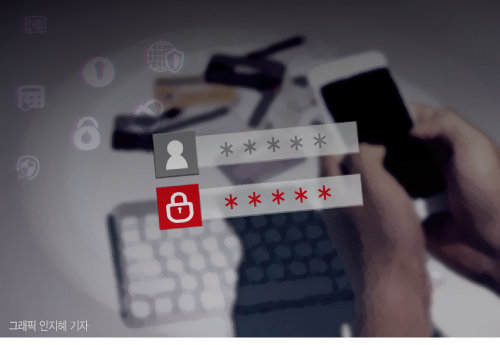
South Korea is set to significantly alter how personal data is handled, with new regulations empowering individuals to control the transfer of their information. Effective August 20, 2026, the Personal Information Protection Commission's revised enforcement decree introduces the 'right to transfer data by oneself.' This shift moves away from the long-standing practice of financial and fintech companies automatically scraping personal data from public institutions on behalf of customers.
The new system mandates that companies must obtain explicit consent and establish secure data transmission methods, often through standardized APIs, in collaboration with public institutions. Previously, companies could access data like income verification or family relation certificates by using customer credentials to log into public portals. This practice, while convenient for services like non-face-to-face loans, raised concerns about data security and user oversight.
However, the financial and fintech industries have voiced apprehension about the transition. They argue that the current API infrastructure may not be sufficiently developed to replace the functionality of data scraping entirely. This could potentially complicate services requiring extensive personal documentation, such as mortgage applications, leading to increased customer inconvenience. Some smaller businesses that previously offered scraping services also face challenges in meeting new qualification requirements.
In response to these concerns, the Personal Information Protection Commission has clarified that the new regulations do not entail an immediate ban on all scraping. For public institutions unable to immediately implement API systems, a temporary, supervised use of existing scraping methods will be permitted. The commission is also providing support for smaller businesses to transition to the new standards, aiming for a phased implementation that balances enhanced data protection with continued consumer convenience.
DistantNews Editorial
Originally published by Dong-A Ilbo in Korean. Translated, summarized, and contextualized by our editorial team with added local perspective. Read our editorial standards.
More Stories


From Our Blog

What Gets Lost (and Found) When News Is Translated

The Critical Role of Diaspora Media in Global News

What Travellers Should Know About Countries with Restricted Press

A Digital Nomad's Guide to Following Local News

How the Same Story Looks Different in Different Countries
