


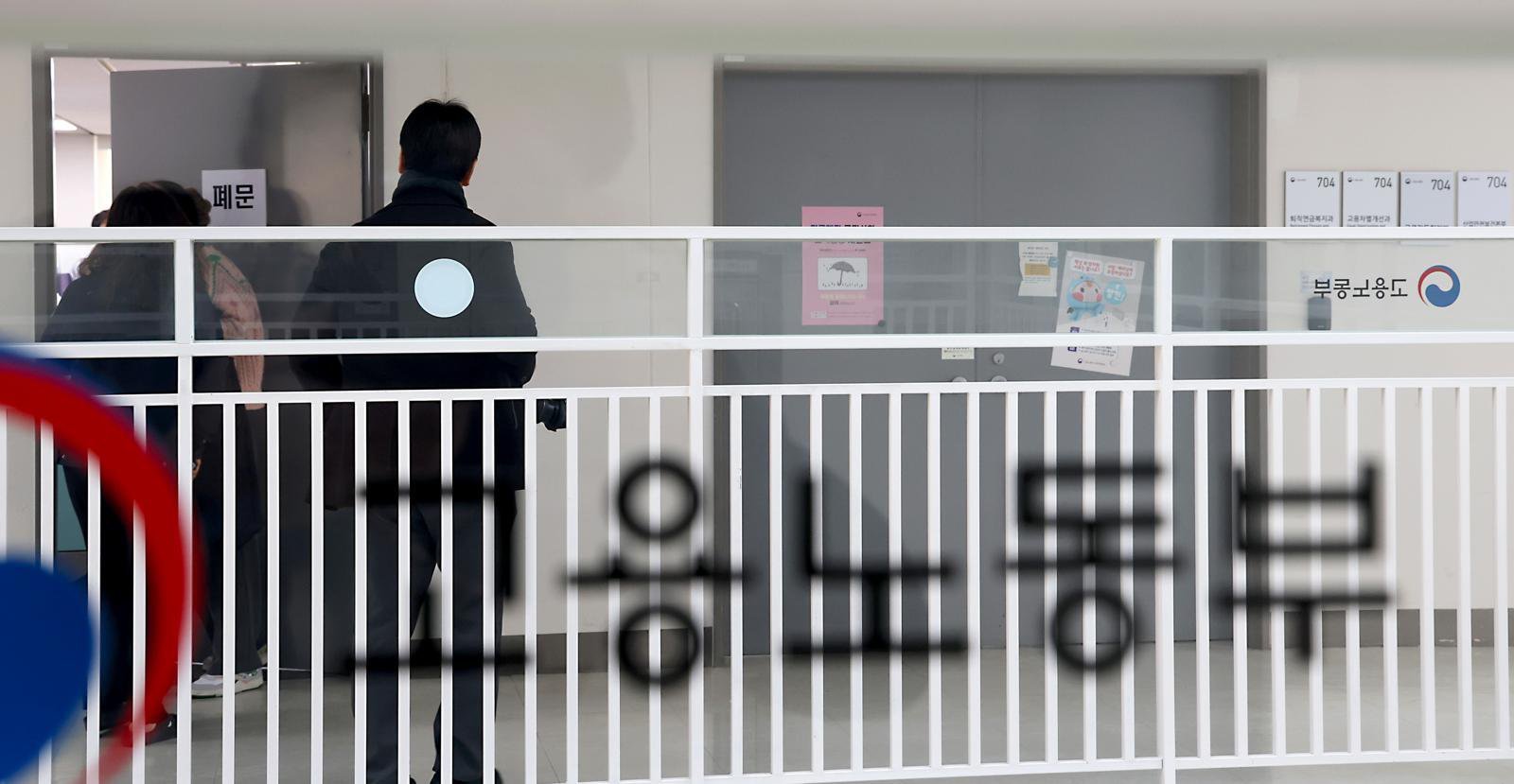
South Korea Expands Employment Insurance to Cover After-School Instructors and Others
Translated from Korean, summarized and contextualized by DistantNews.
At a glance
News
Official statement
New plan
- South Korea will expand employment insurance coverage to include an additional 17,000 workers, including kindergarten and daycare after-school instructors, starting next year.
- The expansion covers four job categories: insurance planners, after-school instructors, delivery drivers, and credit card solicitors.
- This measure aims to address equity issues for gig economy workers whose insurance coverage previously varied based on their work arrangements.
South Korea is set to broaden its employment insurance system, extending coverage to approximately 17,000 additional workers, including after-school instructors at kindergartens and daycare centers, starting next year. The Ministry of Employment and Labor announced a revision to the Employment Insurance Act's enforcement decree, which will incorporate four new job categories.
The newly included professions are insurance planners, after-school instructors, delivery drivers, and credit card solicitors. Specifically, the insurance planner category will encompass cross-recruited agents selling both life and non-life insurance, as well as those recruiting for credit unions and community credit cooperatives. After-school instructors will include those teaching specialized programs in kindergartens and daycare centers.
This expansion is designed to rectify disparities among platform workers and freelancers. Previously, individuals performing similar tasks faced differing employment insurance eligibility based on their workplace, contract type, or recruitment method. For instance, after-school instructors in elementary schools were covered by both employment and industrial accident insurance, while their counterparts in kindergartens and daycare centers were only covered by the latter.
While employment insurance coverage has grown to 19 job categories since its initial expansion in July 2021, it still lags behind industrial accident insurance in some areas. The government also offers support through the employment insurance premium support program for small business owners and low-income workers. The ministry plans to move beyond adding specific job types and aims to eventually cover all individuals earning income from personal services as defined by the National Tax Service, acknowledging the need to adapt to the rise of new work models like platform labor.
DistantNews Editorial
Originally published by Dong-A Ilbo in Korean. Translated, summarized, and contextualized by our editorial team with added local perspective. Read our editorial standards.
More Stories

From Our Blog

What Gets Lost (and Found) When News Is Translated

The Critical Role of Diaspora Media in Global News

What Travellers Should Know About Countries with Restricted Press

A Digital Nomad's Guide to Following Local News

How the Same Story Looks Different in Different Countries
