


South Korea faces renewed inflation fears as heatwaves and Mideast tensions threaten August price surge
Translated from Korean, summarized and contextualized by DistantNews.
At a glance
News
Named sources
Context piece
- South Korea's consumer price inflation eased to 2.8% in July, down from 3.2% in June, but a rebound is expected in August.
- Factors like extreme heatwaves increasing vegetable prices and ongoing Middle East tensions affecting oil prices are contributing to inflation concerns.
- Analysts predict that the 'August peak' for inflation, previously forecast by authorities, might be higher and last longer than anticipated.
South Korea's consumer price inflation showed signs of easing, dropping to 2.8% in July from 3.2% the previous month, marking the first time in eight months that inflation fell back into the 2% range. However, this relief may be short-lived as a combination of adverse weather conditions and geopolitical instability threatens to push prices back up.
The July inflation slowdown was primarily due to supply-side factors, specifically energy price adjustments, rather than a recovery in demand.
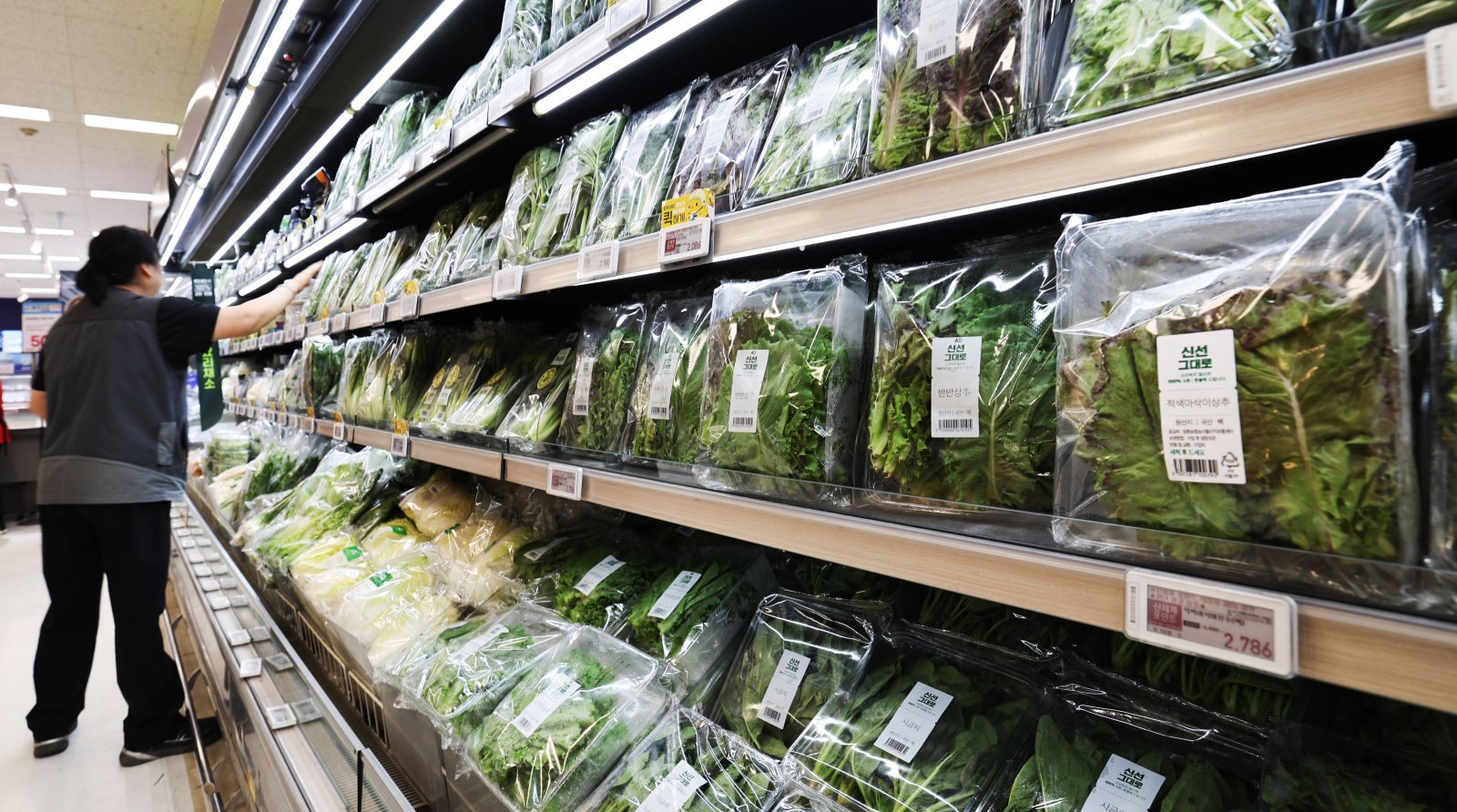
Extreme heatwaves have significantly impacted agricultural produce, leading to sharp price increases for vegetables. For instance, the average retail price of spinach per 100g surged by 131.6% compared to the previous month, while young radish prices rose by 74%. These "heatflation" effects are disrupting the stabilization of food prices, which had appeared to be moderating in July.
The fact that core inflation and personal services prices rose even as headline CPI slowed indicates that the underlying inflationary pressure the Bank of Korea monitors is more robust than expected.
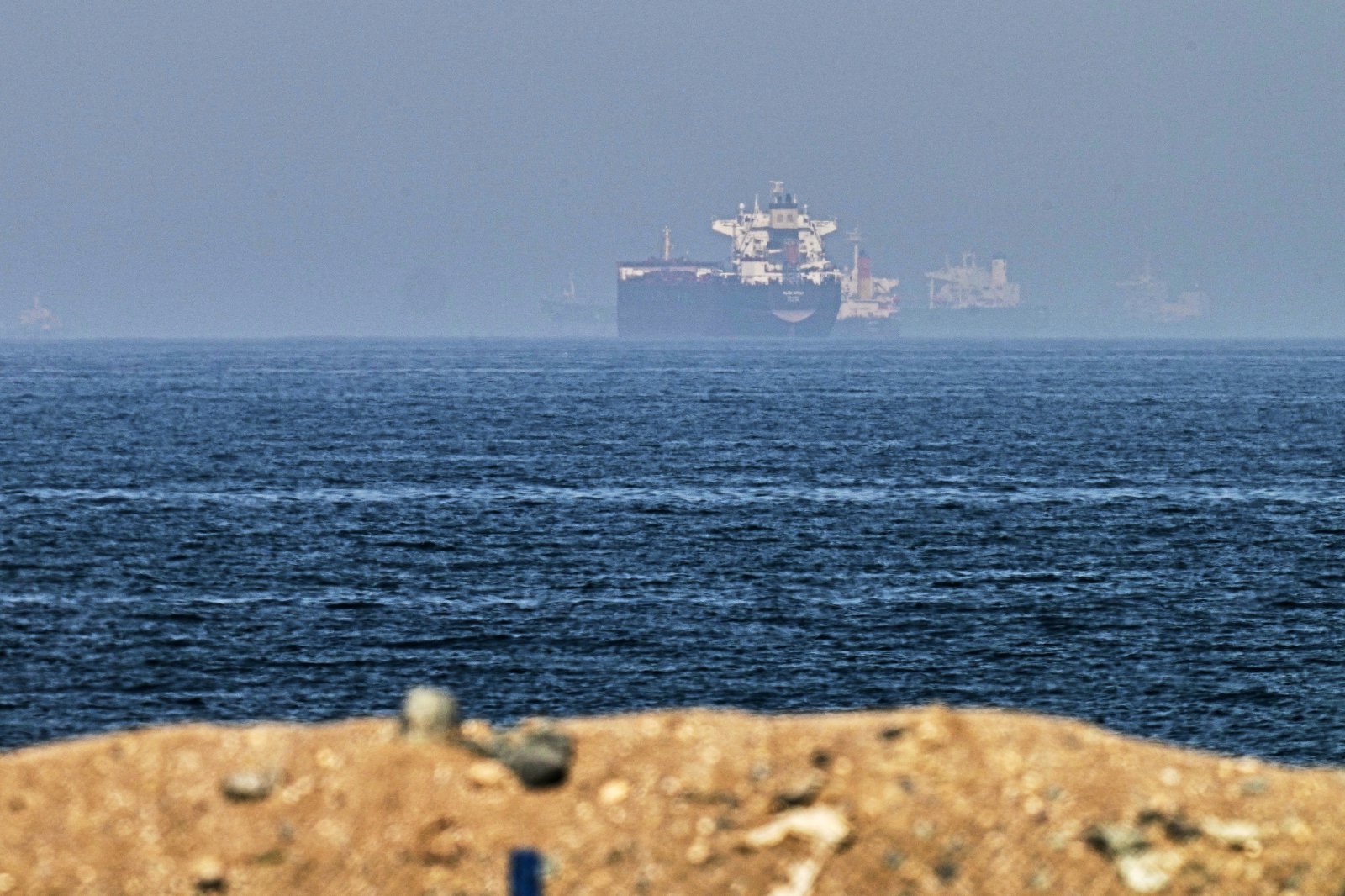
Adding to the inflationary pressure is the continued uncertainty surrounding international oil prices, influenced by Middle East tensions. While oil prices have shown some stability around $80 per barrel recently, fluctuations of 3-4% daily, driven by developments in the Strait of Hormuz, highlight the persistent risk of price spikes. This volatility could reverse the recent slowdown in fuel price increases, which contributed to the overall inflation dip in July.
In August, the rise in international oil prices will be reflected with a time lag, and due to the base effect from last year's communication fee reductions, headline inflation is highly likely to rebound to the 3% range.
Analysts are increasingly concerned that the anticipated "August peak" for inflation might be steeper and more prolonged than initially forecast by authorities. The government had predicted that inflation would peak in August, partly due to the base effect from mobile communication fee discounts last year. However, the combined impact of heat-driven food price hikes and potential oil price surges could push inflation higher and extend its upward trend. This situation also raises the possibility of further interest rate hikes by the Bank of Korea.
Focus should be on the continued rise in core inflation rather than the stabilization of headline inflation. Based on inflation indicators alone, the possibility of an additional base rate hike in August is high.
DistantNews Editorial
Originally published by Dong-A Ilbo in Korean. Translated, summarized, and contextualized by our editorial team with added local perspective. Read our editorial standards.
More Stories

From Our Blog

What Gets Lost (and Found) When News Is Translated

The Critical Role of Diaspora Media in Global News

What Travellers Should Know About Countries with Restricted Press

A Digital Nomad's Guide to Following Local News

How the Same Story Looks Different in Different Countries
