

South Korea factory activity grows at slower pace as export demand weakens, PMI shows
Summarized and contextualized by DistantNews.
At a glance
News
Sources not specified
New plan
- South Korea's factory activity expanded in June for the seventh consecutive month, but at a slower pace due to weakening export demand.
- The purchasing managers index (PMI) fell to 52.1 in June from 54.8 in May, with output and new orders growing more slowly and new export orders declining.
- Businesses expressed reduced optimism for the year ahead, citing concerns about the domestic economy and persistent high raw material prices.
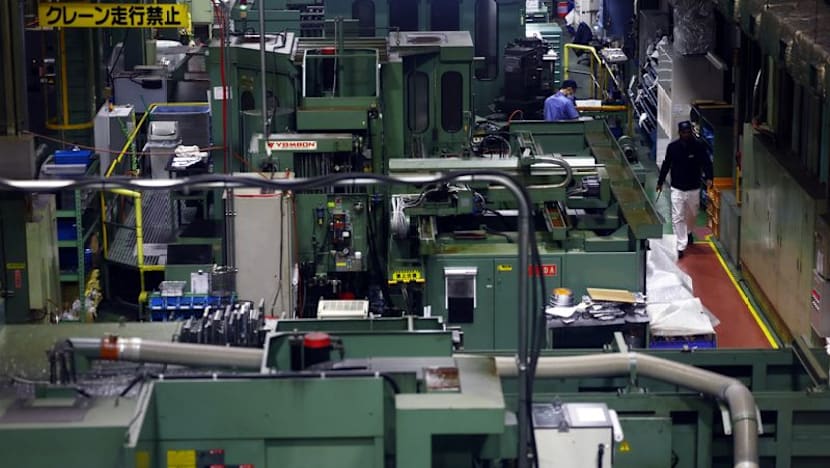
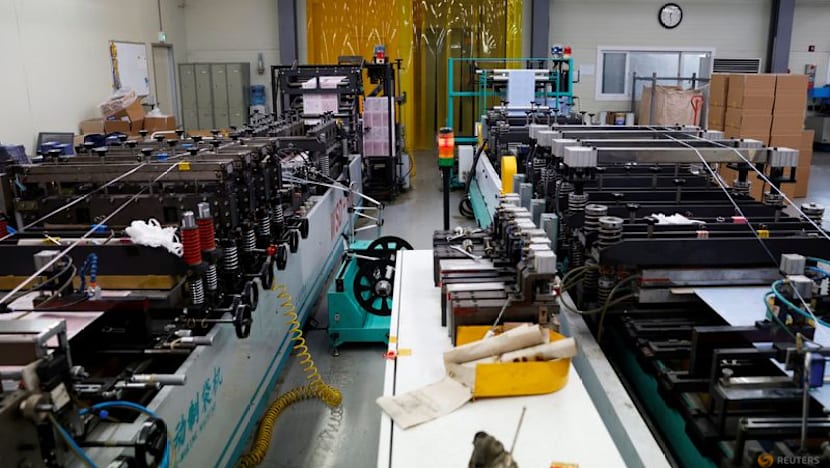
South Korea's manufacturing sector continued its expansion in June, marking seven months of growth. However, the pace slowed compared to May, primarily due to a decline in export demand. The S&P Global Purchasing Managers' Index (PMI) registered 52.1, down from 54.8 the previous month.
Both factory output and new orders saw slower growth. New export orders, in particular, decreased for the second consecutive month. This downturn is partly attributed to the lingering impact of the Middle East conflict on supply chains. Firms reported that rising raw material prices and difficulties in sourcing and receiving inputs further hampered sector performance.
Business confidence for the upcoming year has weakened to its lowest point since November 2025. Concerns over the domestic economy's health and the potential for sustained high raw material prices are contributing to this cautious outlook. This follows a trend where South Korea's factory output had already fallen in May, despite the economy experiencing its strongest quarterly growth in nearly six years due to a boom in chip exports.
Firms frequently reported that rising raw material prices, alongside difficulties sourcing and receiving inputs due to delays and shortages, weighed on sector performance.
DistantNews Editorial
Originally published by CNA. Summarized and contextualized by our editorial team with added local perspective. Read our editorial standards.
More Stories

From Our Blog

What Gets Lost (and Found) When News Is Translated

The Critical Role of Diaspora Media in Global News

What Travellers Should Know About Countries with Restricted Press

A Digital Nomad's Guide to Following Local News

How the Same Story Looks Different in Different Countries
