


South Korea Hopes China's Xi Will Play Constructive Role During North Korea Visit
Translated from Korean, summarized and contextualized by DistantNews.
At a glance
News
Named sources
New plan
- South Korea's presidential office expressed hope that China's President Xi Jinping's upcoming visit to North Korea will contribute to peace and stability on the Korean Peninsula.
- Seoul stated it is closely monitoring the situation and maintaining communication with China through diplomatic channels.
- Xi Jinping is scheduled to visit North Korea from June 8-9 at the invitation of North Korean leader Kim Jong Un.
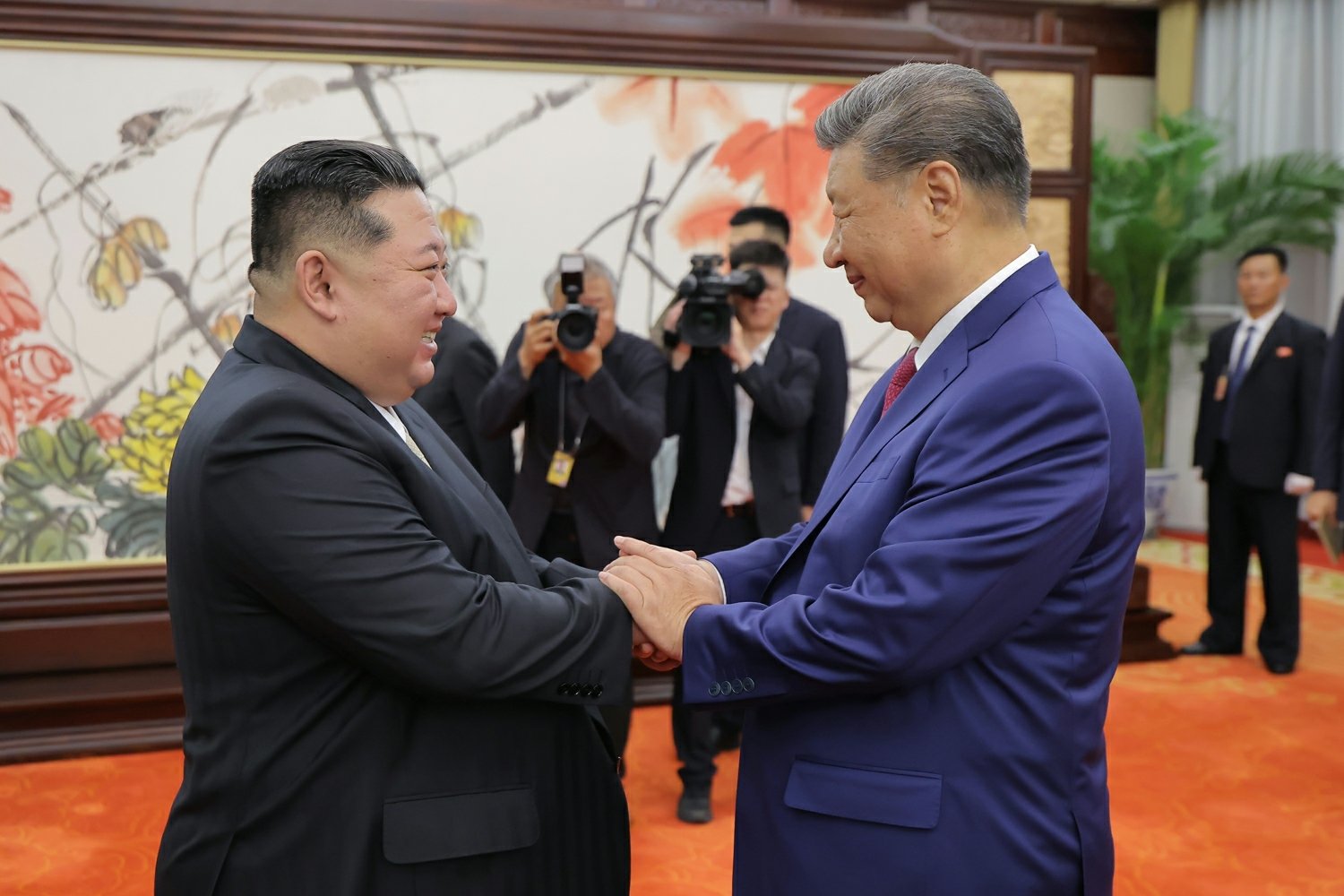
South Korea's presidential office has stated its hope that Chinese President Xi Jinping's upcoming visit to North Korea will contribute positively to peace and stability on the Korean Peninsula. The office confirmed it is closely observing developments related to the visit and is actively communicating with China through diplomatic channels.
The statement comes as North Korean state media reported that Xi Jinping will make a state visit to the Democratic People's Republic of Korea (DPRK) from June 8-9, following an invitation from North Korean leader Kim Jong Un. This visit marks the first by China's top leader to North Korea in 14 years and is seen as a significant diplomatic event.
Seoul's cautious optimism reflects its complex relationship with both North Korea and China. While South Korea desires stability on the peninsula, it also closely watches any developments that could impact regional security. The presidential office's remarks indicate a desire for constructive engagement from China, a key ally and economic partner of North Korea, in addressing inter-Korean issues.
The planned visit underscores the deepening ties between Beijing and Pyongyang, particularly amidst ongoing international sanctions against the North and stalled denuclearization talks. South Korea's expectation for China to play a "constructive role" suggests a desire for Beijing to leverage its influence to encourage Pyongyang's return to dialogue and de-escalation.
DistantNews Editorial
Originally published by Hankyoreh in Korean. Translated, summarized, and contextualized by our editorial team with added local perspective. Read our editorial standards.
More Stories

From Our Blog

What Gets Lost (and Found) When News Is Translated

The Critical Role of Diaspora Media in Global News

What Travellers Should Know About Countries with Restricted Press

A Digital Nomad's Guide to Following Local News

How the Same Story Looks Different in Different Countries
