


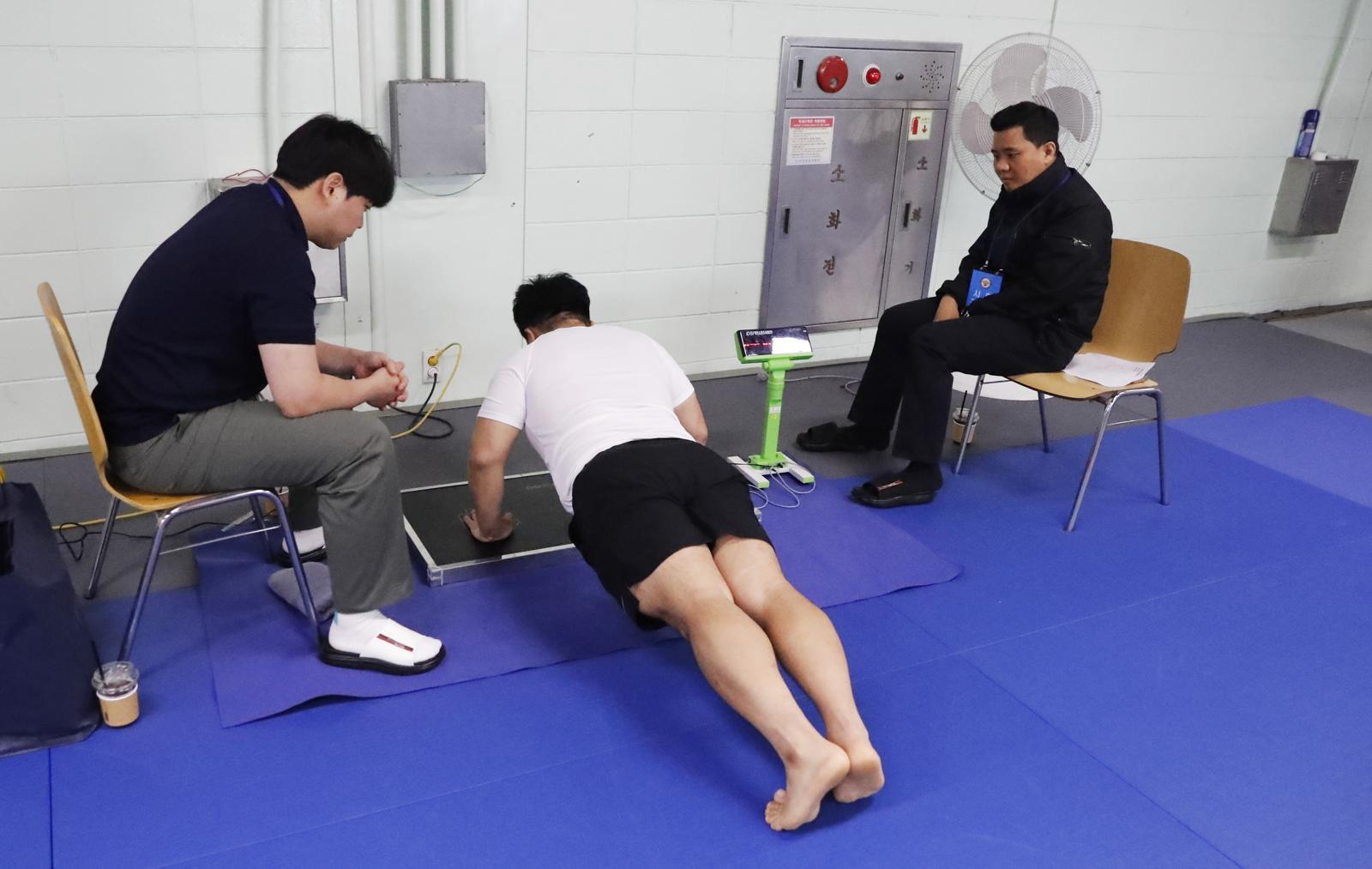
South Korea integrates police recruitment, boosting female hires to 37.8%
Translated from Korean, summarized and contextualized by DistantNews.
At a glance
News
Official statement
New plan
- South Korea's police force has integrated male and female recruitment for the first time, resulting in a higher female pass rate of 37.8%.
- This change follows recommendations to abolish separate recruitment pools for genders, aiming for a more unified selection process.
- The police department is monitoring the impact of increased female officers on field response capabilities and is open to system adjustments if necessary.
South Korea's police force has implemented a new, integrated recruitment process for entry-level officers, merging previously separate male and female application pools. This significant shift has led to a notable increase in the proportion of female recruits, with women making up 37.8% of the successful candidates in the latest examination.
The move aligns with recommendations from the Police Reform Committee in 2017 and the Police Gender Equality Committee in 2020, which called for the abolition of gender-segregated recruitment. The National Police Committee officially approved the integrated selection in 2021, paving the way for its first full implementation this year.
In the recent examination, a total of 2,941 candidates passed, with 1,112 being women (37.8%) and 1,829 being men (62.2%). This contrasts sharply with previous years, where the female recruitment quota was typically around 20%. The integrated system eliminated separate quotas, allowing female applicants to compete more directly with male applicants, contributing to the higher pass rate.
Despite the increased female representation, the police department is closely monitoring its potential impact on field response capabilities. Yoo Jae-seong, acting commissioner of the National Police Agency, stated that while the proportion of female officers is expected to rise from the current 16%, continuous observation is necessary. He assured that the department would analyze public concerns and consider necessary system adjustments if any issues arise regarding physical force or operational effectiveness.
We will continuously analyze whether there are public concerns and conduct checks. If such concerns materialize or become serious problems, we will closely review institutional improvements.
DistantNews Editorial
Originally published by Dong-A Ilbo in Korean. Translated, summarized, and contextualized by our editorial team with added local perspective. Read our editorial standards.
More Stories



From Our Blog

What Gets Lost (and Found) When News Is Translated

The Critical Role of Diaspora Media in Global News

What Travellers Should Know About Countries with Restricted Press

A Digital Nomad's Guide to Following Local News

How the Same Story Looks Different in Different Countries
