


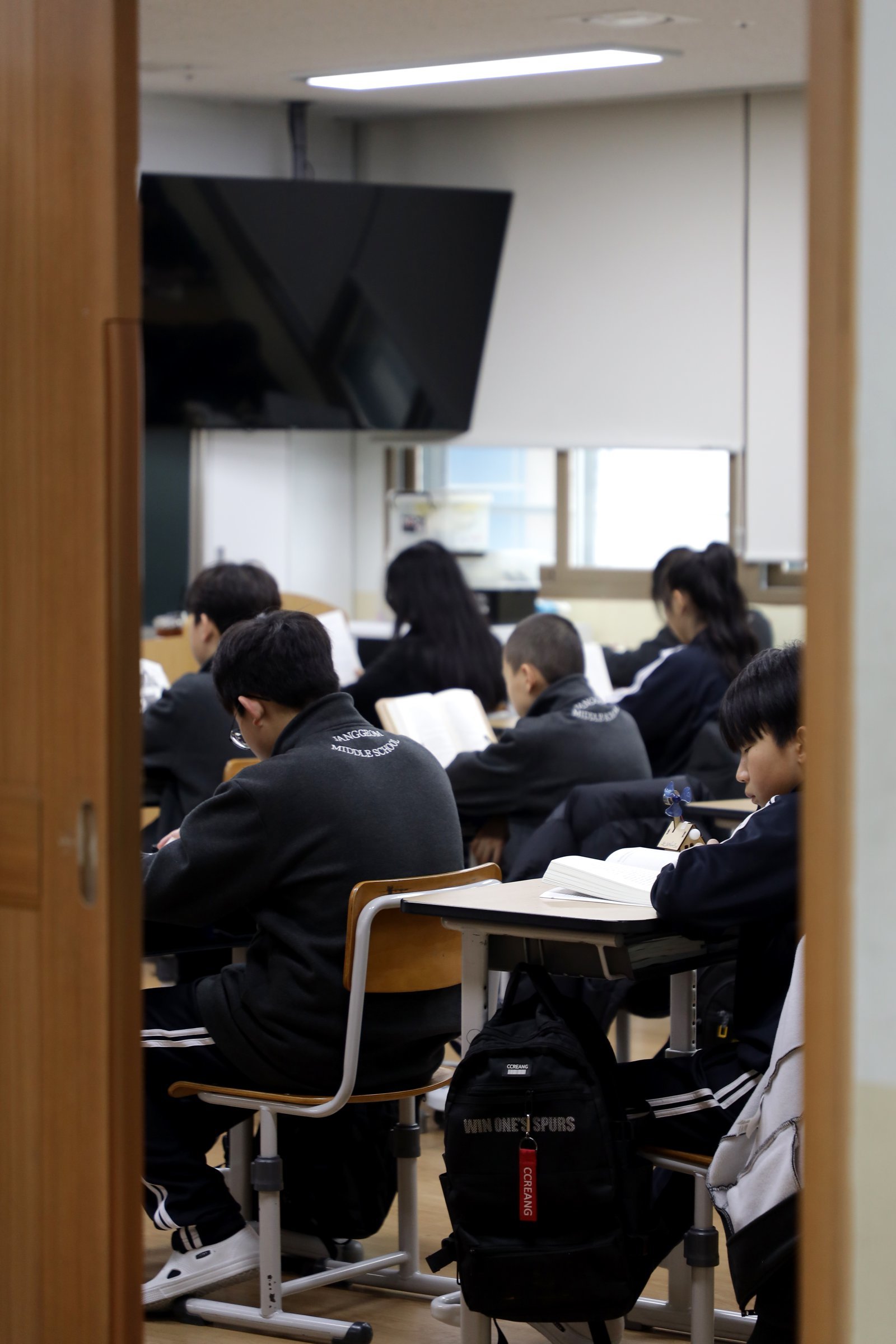
South Korea Intensifies Reading Education for Students to Boost Literacy
Translated from Korean, summarized and contextualized by DistantNews.
At a glance
News
Official statement
New plan
- South Korea will designate specific grades as "reading education intensive years" starting next year to strengthen literacy.
- Students in 3rd and 4th grade elementary, 1st grade middle school, and 1st grade high school will receive tailored reading programs.
- The policy aims to address concerns about declining literacy due to increased AI use and short-form content consumption.
South Korea is launching a new initiative to bolster literacy among students by designating specific academic years as "reading education intensive years." Starting next year, students in the third and fourth grades of elementary school, first grade of middle school, and first grade of high school will benefit from tailored reading programs.
The Ministry of Education announced the "Plan to Vitalize School Reading Education" on the second, aiming to counteract worries about declining literacy. This decline is attributed to the rise of artificial intelligence and the widespread consumption of short-form content.
For younger elementary students struggling to find interest in reading, customized learning models will be developed and distributed to schools starting next year. Middle schoolers, facing increased academic loads, will engage in programs linking reading with career exploration activities. High school freshmen will participate in online career-linked reading mentoring.
The plan also involves expanding the role of reading within the regular curriculum. By 2030, the ministry aims to identify 1,000 reading-linked teaching models annually. A "10-minute daily reading campaign" has already begun in 1,000 schools nationwide, with plans to expand its reach.
DistantNews Editorial
Originally published by Dong-A Ilbo in Korean. Translated, summarized, and contextualized by our editorial team with added local perspective. Read our editorial standards.
More Stories



From Our Blog

What Gets Lost (and Found) When News Is Translated

The Critical Role of Diaspora Media in Global News

What Travellers Should Know About Countries with Restricted Press

A Digital Nomad's Guide to Following Local News

How the Same Story Looks Different in Different Countries
