


South Korea Introduces Domestic Production Tax Credit for 6 Key Industries
Translated from Korean, summarized and contextualized by DistantNews.
At a glance
News
Sources not specified
New plan
- South Korea introduces a new 'domestic production tax credit' to support strategic industries.
- The credit applies to six key sectors: solar power, wind power, secondary batteries, semiconductors, core materials, and AI robot components.
- The policy aims to strengthen domestic supply chains and enhance national competitiveness, with enhanced benefits for non-capital regions.
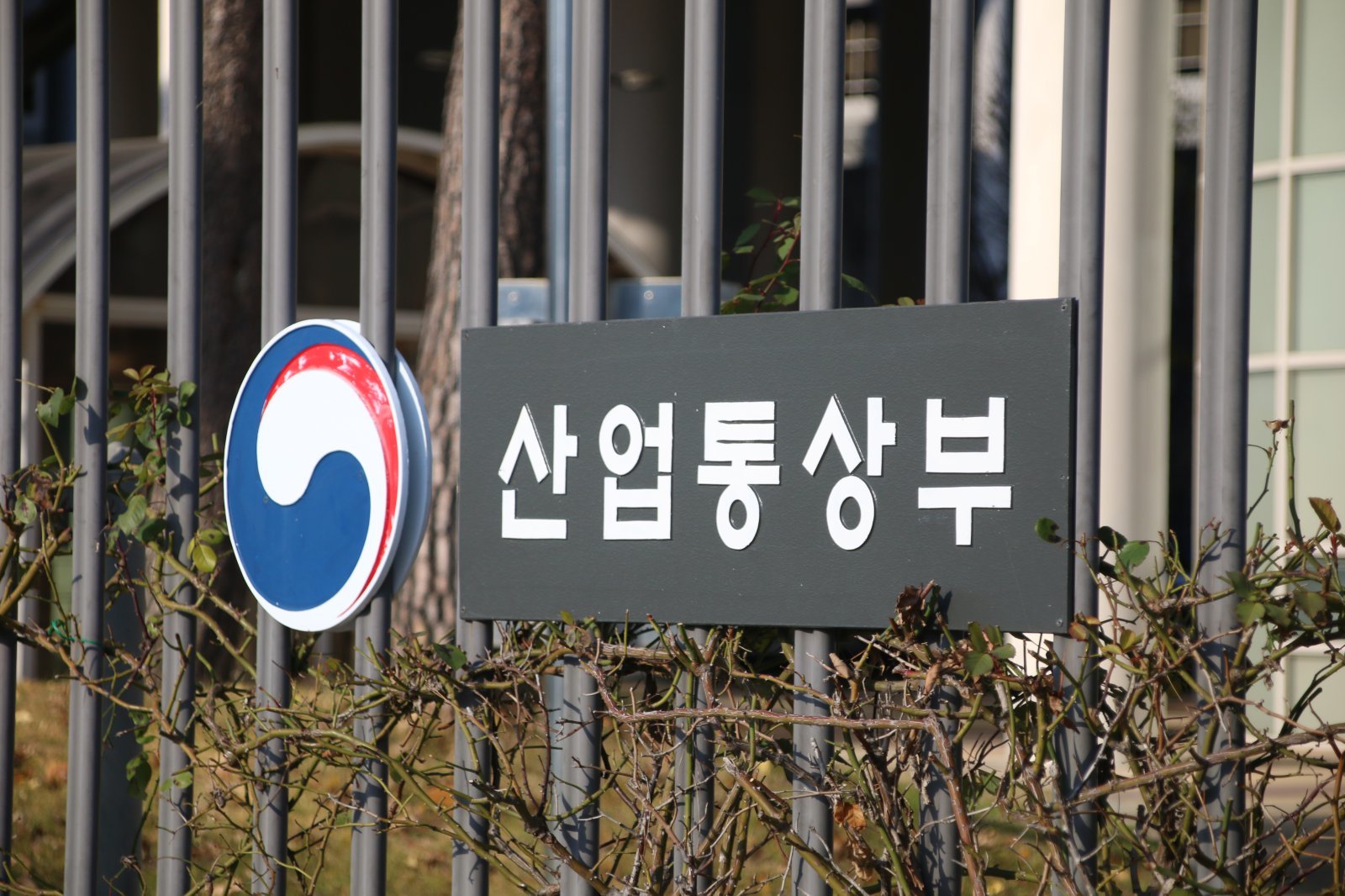
South Korea is launching a new 'domestic production tax credit' initiative designed to bolster its strategic industries and fortify domestic supply chains. The Ministry of Trade, Industry and Energy announced that this measure, part of the '2026 Tax Reform Plan,' aims to support sectors deemed crucial for green transition and economic security.
The tax credit will be available to six key industries: solar power, wind power, secondary batteries, semiconductors, core materials, and AI robot components. Companies that meet the criteria for domestic production and sales will be eligible for tax credits based on their production volume and a standard credit amount. This policy is set to run until the end of 2036.
To promote balanced regional development, the government will implement a regional coefficient system. This system will provide greater benefits to companies located in non-capital regions, with coefficients ranging from 1.0 for the Seoul metropolitan area to 1.5 for preferential non-capital regions. This aims to encourage investment and job creation outside the capital.
While the tax credits are designed to encourage domestic production, the government plans a phased reduction in the credit amount during the final three years before its expiration to ensure fiscal sustainability. Double application with the integrated investment tax credit will also be excluded. The Ministry anticipates this policy will help companies overcome high operating costs, expand domestic production, and ultimately strengthen the nation's industrial supply chains and overall competitiveness.
DistantNews Editorial
Originally published by Dong-A Ilbo in Korean. Translated, summarized, and contextualized by our editorial team with added local perspective. Read our editorial standards.
More Stories



From Our Blog

What Gets Lost (and Found) When News Is Translated

The Critical Role of Diaspora Media in Global News

What Travellers Should Know About Countries with Restricted Press

A Digital Nomad's Guide to Following Local News

How the Same Story Looks Different in Different Countries
